Green Tiger Markets marks Visayas milestone, opens Mindanao hedging market
- June 9, 2026
- 0

Green Tiger Markets has quietly achieved a pair of milestones that could matter a great deal for how power is priced and financed in the Philippines. By executing its first transaction referencing Visayas prices and opening its platform to Mindanao‑based hedging, the firm is extending modern financial risk management beyond its original Luzon market.
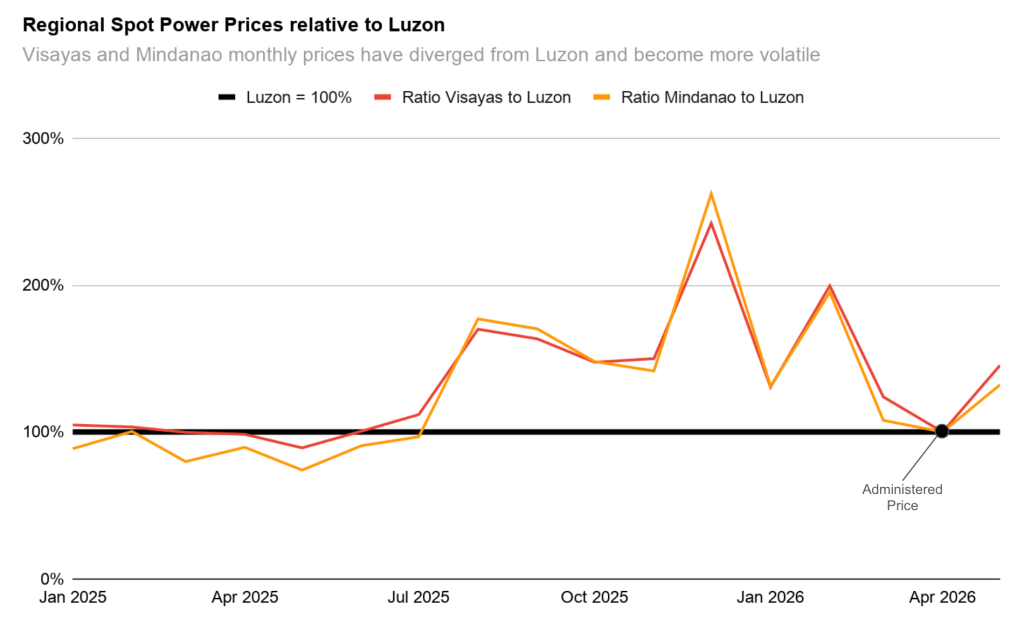
Electricity in the Philippines is traded through a spot market, but the tools to hedge price risk have long lagged behind, especially outside Luzon. In principle, a spot market without a corresponding forward market leaves investors and large consumers exposed to the vagaries of short‑term prices. In practice, volatility tends to discourage capital‑intensive projects and pushes utilities and corporates into improvised bilateral arrangements, with sparse transparency, little flexibility and limited liquidity.
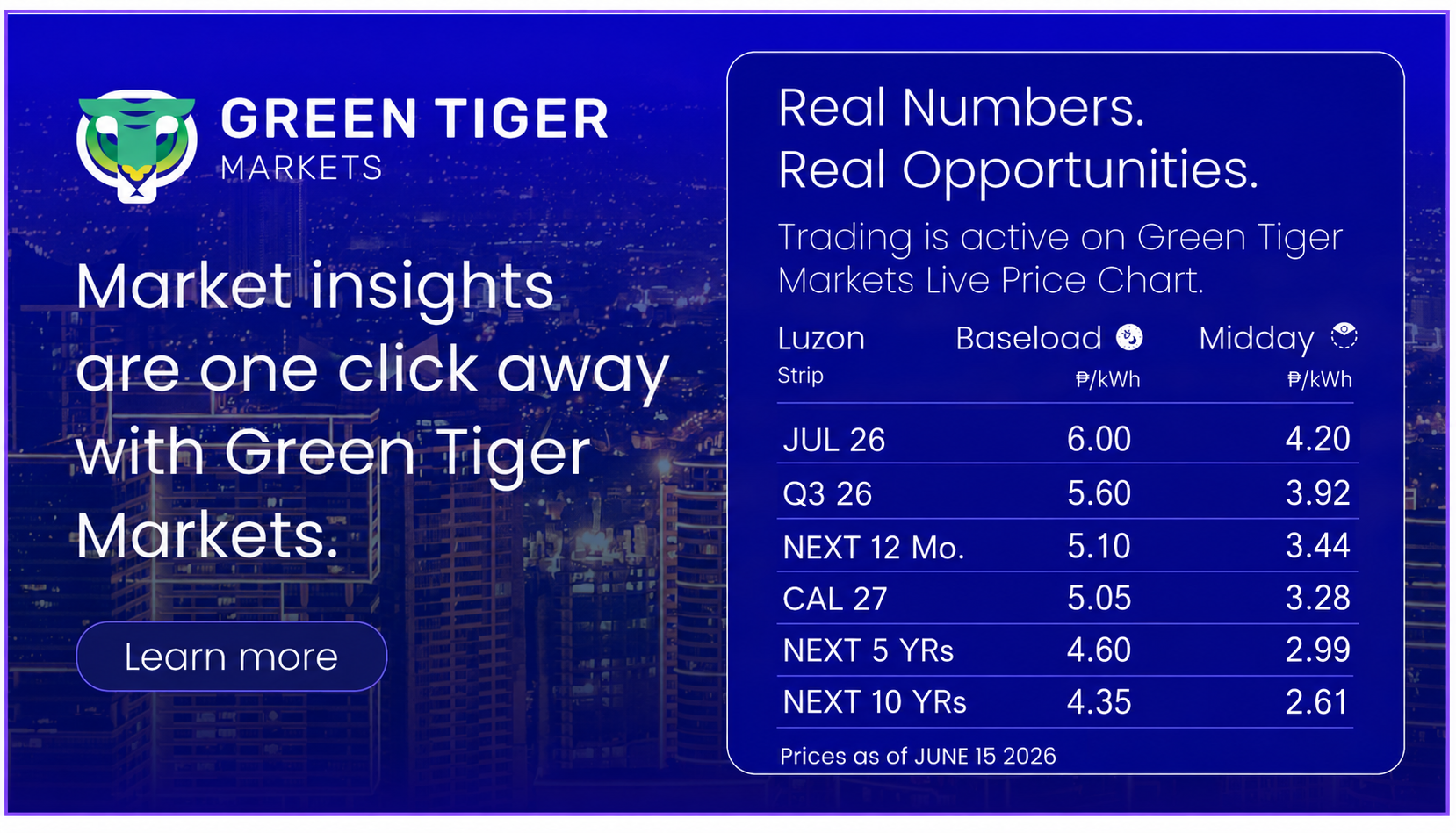
GTM’s platform seeks to change this by offering standardized, platform‑traded forward contracts, settled in cash against the average wholesale price in a given region and period. The first live Visayas trade shows that hedging need not be confined to the country’s economic core. It demonstrates that a generator or large consumer in the Visayas can now convert uncertain future spot prices into predictable cash flows, while leaving physical delivery to the existing dispatch and settlement system.

The mechanics are straightforward enough. Participants buy or sell forward contracts for a given month and time profile—say, baseload. At expiry, the contract settles against the realised average spot price in the relevant grid. If the market price comes in higher than the agreed forward price, the buyer receives the difference in cash; if it comes in lower, the buyer pays. No electrons change hands; only money does, to offset the swings in spot market prices.
The inaugural Visayas transaction was, in effect, a valuable proof of concept. One side locked in a fixed future selling price for power produced in the Visayas; the other locked in a fixed buying price for consumption in the same region. The underlying price risk was thus transformed into a series of cash flows that banks, auditors and credit committees can understand. That, rather than any technological novelty, is the real innovation: the translation of volatile spot prices into numbers that fit neatly into a spreadsheet.
Mindanao, historically something of an electrical outlier, has in recent years been integrated into the national wholesale market. Yet until now, it has lacked an easy way to hedge price risk. GTM’s decision to list contracts referencing Mindanao prices brings the region into the same financial architecture as Luzon and the Visayas. A Mindanao generator can now fix part of its future revenue stream; a large industrial or commercial load can do the same for its costs.
This could prove useful. Mindanao’s development ambitions—from industry to data centres—will require investment in generation and networks. Investors are more likely to commit if they can see a path to stable cash flows. Forward contracts cannot conjure demand where none exists, but they can make the revenue from that demand more predictable. For a lender looking at a 10‑ or 15‑year project, the presence of a functioning hedging market is a reassuring signal.
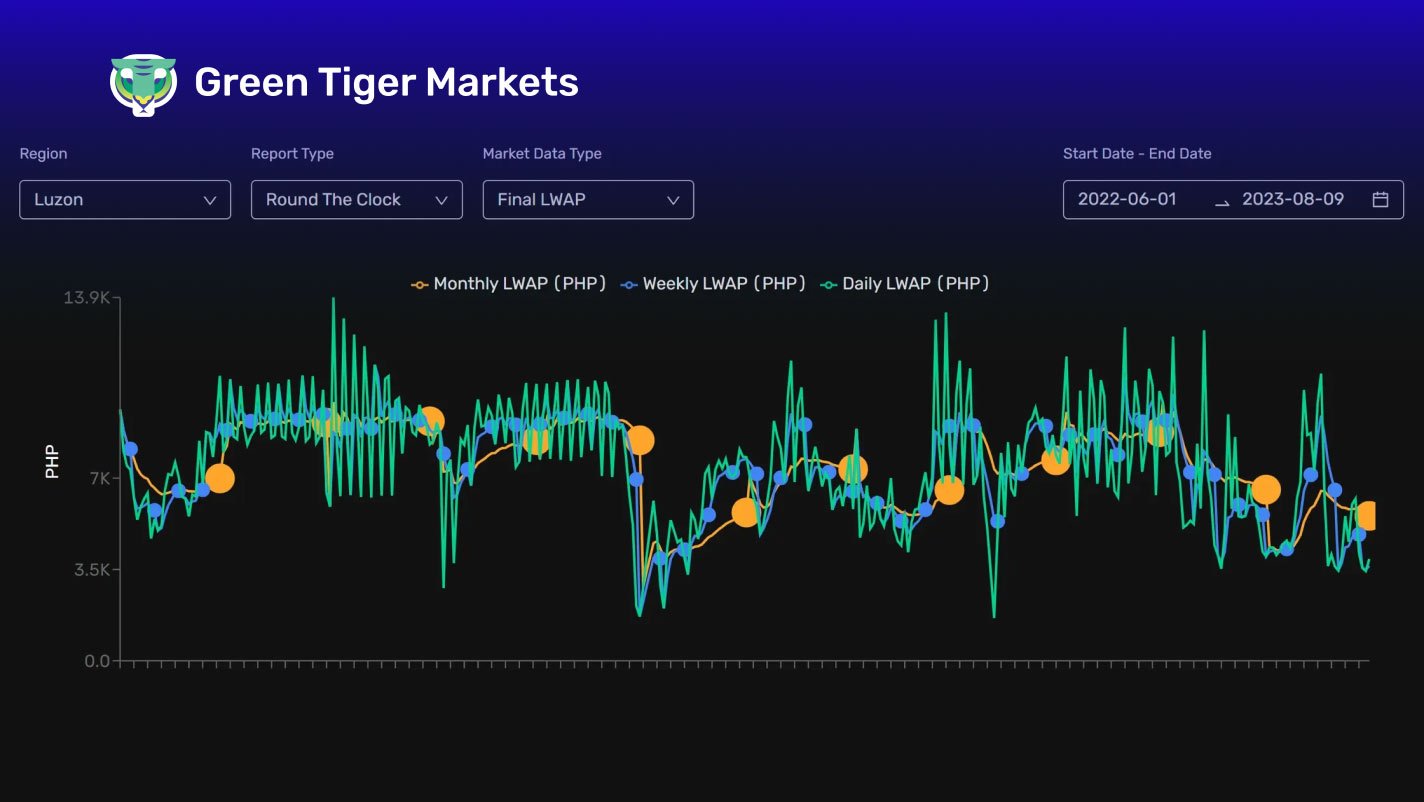
Philippine power prices are volatile, buffeted by fuel costs, hydrology and the vagaries of demand. For households, that shows up as fluctuating bills. For large producers and consumers, it shows up as earnings swings and capital‑budget headaches. A forward market does not eliminate volatility; it reallocates it. Those willing and able to bear price risk—in exchange for a premium—take it on; those who prefer certainty pay for it.
Over time, as liquidity develops, the prices discovered in forward trading can serve as reference points for a host of other decisions. Developers may use them to assess whether a new solar farm in Mindanao is bankable. Retail electricity suppliers may use them to design fixed‑price offers. Regulators and policymakers may find in them a window onto expectations about future supply‑demand balances.
The direction of travel is clear. By extending financial risk‑management tools to the country’s peripheral grids, GTM is nudging the Philippine power sector toward something that looks more like a mature commodity market and less like a patchwork of bespoke bilateral deals. When this succeeds, Visayas and Mindanao will find that the route from volatile spot prices to reliable investment runs through an electronic competitive market rather more often than through a conference room.