How the Iran conflict is hitting global prices
- March 12, 2026
- 0

By John Knorring, CEO of Green Tiger Markets – March 2026
The Iran conflict is tightening global energy markets and will put upward pressure on Philippine fuel and power prices, making it rational for both corporates and utilities to increase and extend their hedging programs now.
Military action around Iran and near‑blockade conditions in the Strait of Hormuz have interrupted a large slice of seaborne oil and LNG flows, forcing buyers to pay up for security of supply. Analysts note that traders are now demanding a material risk premium for crude to compensate for the probability of further disruptions and infrastructure attacks. Coal used in power generation has also started to rally as Asian buyers contemplate substituting away from disrupted and more expensive LNG toward coal, reviving coal’s role as a marginal balancing fuel.
Although the exact numbers move daily, benchmark crude has jumped sharply since the conflict escalated, and coal benchmarks in Europe and Asia have climbed back to their highest levels since at least late 2023 on fears of a broader energy crunch. This kind of geopolitical shock tends to keep volatility elevated for months, because even rumors of new attacks or shipping incidents can move prices several percent in a single session. In that environment, the fact that crude is already up approximately 50% from a month ago and coal prices are clearly rallying is less a spike than a warning about the new volatility regime.

The Philippines is structurally dependent on imported oil products and coal, so these global price moves feed through quickly via refiners, traders, and utilities. Regional refiners and trading houses price most cargoes off Brent and Dubai benchmarks, so any sustained oil risk premium from the Iran conflict directly lifts the landed cost of diesel, gasoline, and fuel oil into Philippine ports. With little domestic refining or production buffer, local pump prices and bunker costs typically adjust in line with regional averages rather than insulating end‑users.
On the power side, imported coal remains a key fuel for baseload generation, and the current coal rally raises the forward fuel cost baked into some power supply agreements and spot WESM offers. As LNG shipping through Hormuz faces disruption and Asian spot LNG becomes more expensive or scarce, regional buyers that can switch to coal will do so, tightening the seaborne coal market that Philippine utilities depend on. The net effect is that both fuel and power price risks for Philippine consumers are now more correlated with geopolitical newsflow than with domestic demand conditions.
From a risk‑management standpoint, the combination of a sharp run‑up in crude and a broad coal rally is a classic signal to prioritize hedging, not to speculate on a near‑term reversion. First, the conflict‑driven risk premium can widen further if physical flows through Hormuz deteriorate, so the upside risk on both oil and coal prices are fatter than usual. Second, even if spot prices eventually return to pre-conflict prices, they can remain elevated long enough to damage cash flows, tariff pass‑through mechanisms, or competitive position for exposed corporates.
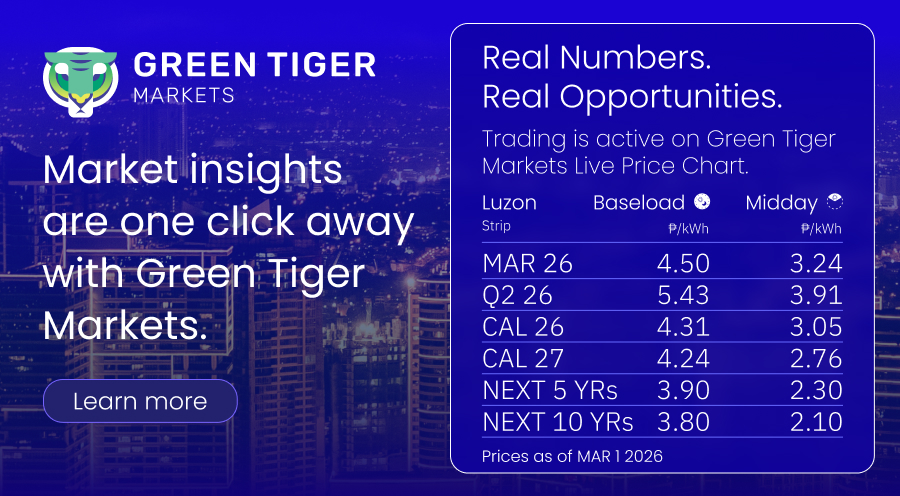
For Philippine fuel buyers, locking in a portion of forward oil exposure via energy hedges can cap input costs while still allowing some participation if prices correct. For coal‑fired generators, layering in hedging contracts and/or coal swaps over the next 6–18 months can stabilize generation costs and support more predictable earnings. The overarching message is simple: in a world where Iranian geopolitical risk is now a core driver of global energy pricing, it is more rational for Philippine market participants to pay a known hedging cost today than to remain fully exposed to the next headline‑driven spike.

John Knorring is the founder and CEO of Green Tiger Markets, the first and only provider of a forward marketplace for the Philippines energy industry. He has over 25 years experience in forward hedging markets. He is a believer in the power of markets and a proponent of transparency and price discovery. John, a Chicago native, is a resident of Austin, Texas.