Distributed generation, not gigawatts: Berde charts a new path for Philippine solar
- December 21, 2025
- 0
As renewable energy expands across the Philippines, one company is betting on distributed generation instead of large-scale solar farms. For Berde Renewables Co-founder and Group CEO Morris Zhou, smaller, smarter systems—not gigawatt projects—are the future of reliable, typhoon-resilient power in the country.
Zhou began developing solar projects in Australia in 2010. His company built over 500 megawatts of solar and two gigawatt-hours of battery storage before shifting its focus to Southeast Asia.
But lessons from Australia’s experience reshaped his thinking.
“We spent USD 350 million building one of the largest solar farms, only for the grid to curtail generation because transmission upgrades couldn’t keep up,” he said.
That experience, he added, mirrors the challenge facing the Philippines—rapid renewable growth outpacing grid expansion.
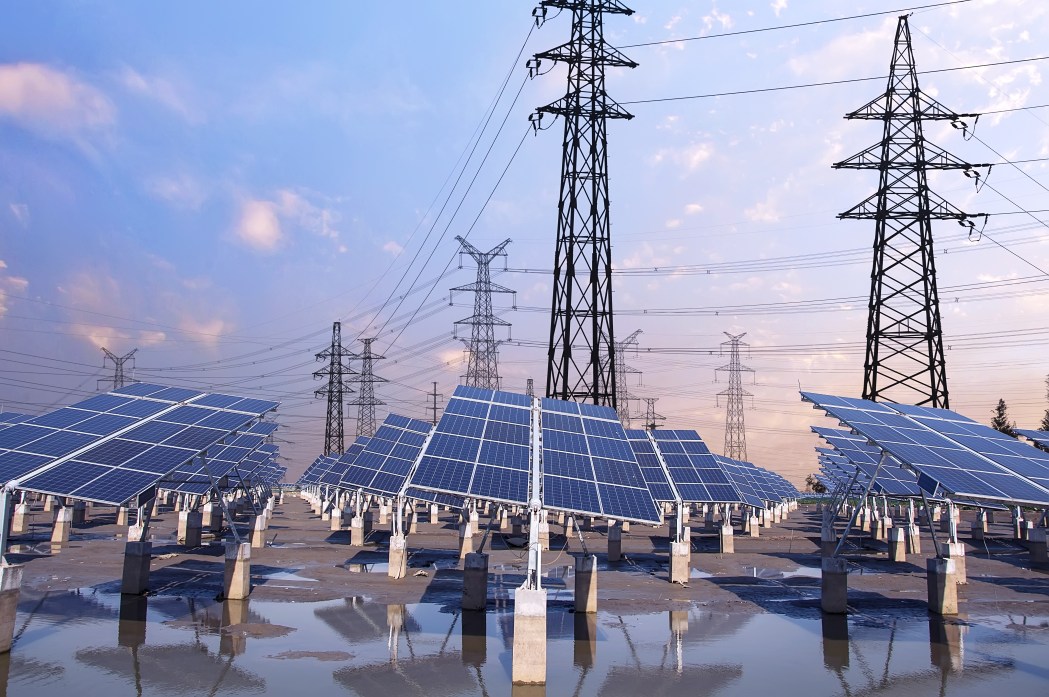
Instead of competing for scarce transmission capacity, Berde Renewables decided to focus on distributed generation (DG)—smaller, localized solar and hybrid systems that generate power closer to where it’s used.
“Distributed generation offers faster deployment and avoids long permitting timelines. It’s about producing power where demand exists,” Zhou said.
Building clean energy closer to users
Berde develops, owns, and operates rooftop and ground-mounted solar systems for commercial and industrial customers. Each project ranges from 2 to 5 megawatts and connects directly to the customer’s load, bypassing the congested transmission network.
The company currently operates over 50 megawatts of projects in the Philippines, with a goal to double that by year-end. Most projects are in manufacturing, logistics, and retail—sectors with steady daytime demand and high electricity costs.
“The Philippines has the right fundamentals: high power prices, strong demand, and a solid legal framework. That combination makes distributed generation viable here,” Zhou said.
Unlike utility-scale developers that depend on grid availability, Berde’s model allows projects to move faster and avoid curtailment risk. Systems can be built within months, not years, while also providing resilience during typhoons and outages.
“If you’ve done your diligence, and a Grade 17 typhoon hits, you can still sleep in the middle of the night,” he said.
Learning from the grid’s limits
Zhou believes the Philippines can avoid repeating the mistakes of other markets by investing in modular, decentralized power. He points to the archipelagic geography—spread-out islands, long feeder lines, and costly interconnections—as the strongest case for DG adoption.
“Each location will have its own advantage,” he explained. “In the Philippines, distributed energy makes more sense than just waiting for new transmission lines.”
That flexibility is also drawing interest from local governments. In areas where grid reliability remains weak, DG systems with battery storage are being explored as backup sources for essential facilities.
A shift toward localized energy
For Zhou, distributed generation is not just a business model—it’s a strategy for resilience.
“Why build another 300-megawatt solar farm when you can build a hundred 3-megawatt systems that power factories, schools, and communities directly?” he said.
The company’s approach aligns with the Philippines’ goal to source 50% of its power from renewables by 2040. By focusing on smaller, faster, and smarter projects, Berde aims to turn flexibility into scale—one rooftop at a time.
Follow Power Philippines on Facebook and LinkedIn or join our Viber community for more updates.