From diesel to distributed power: why solar-plus-battery systems are a game changer for Philippine islands
- December 23, 2025
- 0

For decades, many of the Philippines’ island communities have relied on diesel generators to keep the lights on. The system works—but at a cost. Diesel is expensive, polluting, and vulnerable to supply disruptions, especially in remote areas where fuel must be shipped in regularly. As electricity demand grows and climate risks intensify, the question becomes unavoidable: is there a better way to power the country’s islands?
For Upgrade Energy Philippines (UGEP), the answer lies in distributed energy systems built around solar power and battery storage—a model that replaces centralized dependence on diesel with cleaner, more resilient local generation.
Rethinking power for off-grid islands

Island grids face challenges that mainland systems do not. Many fall under the Small Power Utilities Group (SPUG), where electricity costs are far higher than in major urban centers. To keep rates affordable, these areas are subsidized through the Universal Charge for Missionary Electrification—an added cost ultimately borne by electricity consumers nationwide.
In our recent episode of Power Podcast, UGEP President and CEO Ruth Yu-Owen explained how hybrid solar-plus-battery systems can significantly reduce this burden. By displacing diesel generation during daylight hours and extending clean energy use into the evening through batteries, islands can lower fuel consumption, stabilize power costs, and cut emissions at the same time.
“Before solar and battery, these islands relied heavily on diesel gensets,” Yu-Owen shared. “Now, a significant portion of that diesel use is displaced, which makes power cleaner and more affordable.”
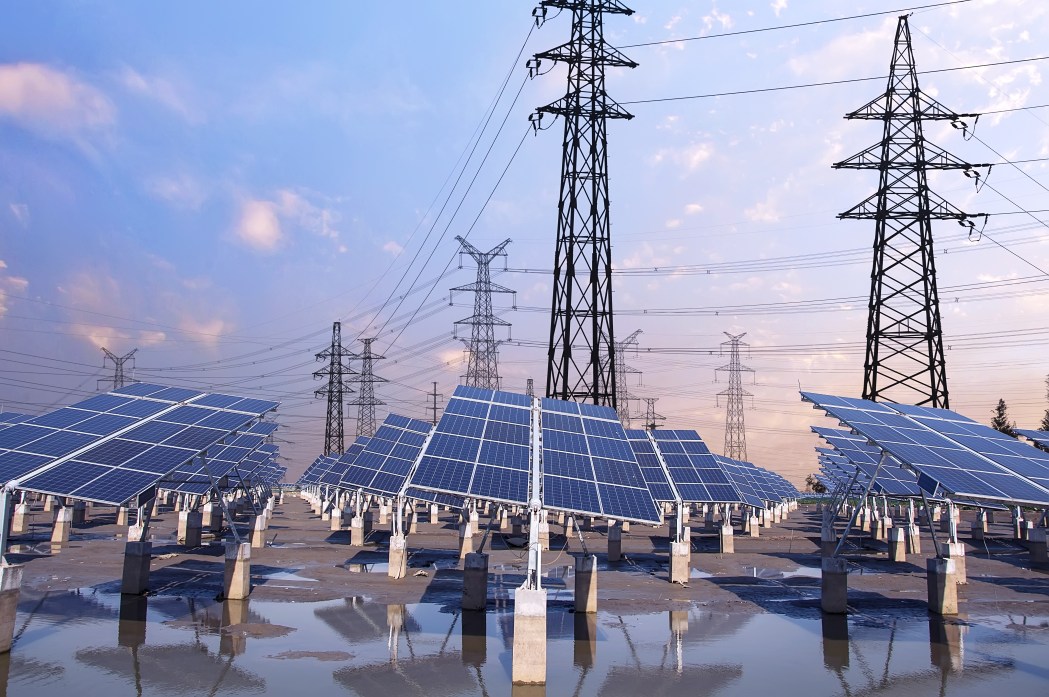
UGEP’s solar-plus-battery projects in island communities provide tangible evidence that the model is viable under Philippine conditions. These systems combine large solar installations with battery storage that supplies power after sunset, allowing generators to remain offline for longer periods.
“It means that when there’s sunlight, solar will be used,” Yu-Owen explained. “Then when five o’clock comes, when the sun goes down, the battery kicks in for another four hours.”
One of the clearest demonstrations of this model is UGEP’s solar-plus-battery projects in Amanpulo and Balesin Island, which Yu-Owen described as “twin projects.” Amanpulo came first, followed by Balesin, both designed to pair large-scale solar installations with battery energy storage systems that supply power after sunset.
These projects were developed to reduce reliance on diesel generators while maintaining reliable electricity for island operations, offering a working example of how hybrid systems can function in off-grid Philippine settings.
The impact of these hybrid systems is most evident in how they change the role of diesel generation. “Sixty percent of the diesel genset is displaced,” Yu-Owen said. “They are only forty percent.”
In practical terms, this means diesel generators are no longer the primary source of power, operating mainly as backup during periods when solar generation and battery storage are insufficient. By shifting most energy supply to solar during the day and batteries in the evening, islands significantly reduce fuel consumption, emissions, and operating costs—while still retaining diesel capacity as a reliability safeguard.
Beyond emissions reduction, the operational and financial impact is significant—lower fuel costs, quieter operations, and improved reliability. These early successes have drawn attention from policymakers as potential models for broader replication.
Solar energy alone cannot fully replace diesel in island grids. Without storage, power operators must rely on generators as soon as the sun sets. Battery energy storage changes that equation by capturing excess daytime generation and releasing it during evening demand peaks.
Yu-Owen pointed to falling battery costs as a key enabler. “The price two years ago was so expensive,” she said. “Now, it has fallen. It’s going down and down.”
She attributed much of this trend to global research and development, particularly in electric vehicles, which has accelerated improvements in battery technology. As costs decline, batteries are becoming an increasingly practical complement to solar—not just for resorts, but for broader island electrification.
For UGEP, solar-plus-battery systems represent more than individual projects; they reflect a broader philosophy about how energy should be delivered in an archipelagic country.
“The Philippines is made up of 7,600 islands,” Yu-Owen noted. “If there’s a typhoon, there’s no electricity.”
Rather than relying solely on long transmission lines and centralized generation, she argued for a more localized approach. “Our energy resources need to be distributed,” she said. “We are no longer reliant on the grid alone.”
Distributed systems, she added, allow communities to sustain power even when parts of the broader grid are disrupted—an increasingly critical advantage as extreme weather events become more frequent.
The transition away from diesel is not only about technology or cost. Cleaner and more reliable power enables economic activity, supports essential services, and improves quality of life in communities that have long faced energy insecurity.
“When people see that those things work,” Yu-Owen said, referring to hybrid solar-battery systems, “you know, when you build it, they will come.”
As more islands demonstrate the benefits of this approach, solar-plus-battery systems offer a glimpse of a future where off-grid communities are no longer energy afterthoughts, but active participants in the country’s clean energy transition.
What role should solar-plus-battery systems play in accelerating energy access and resilience for the Philippines’ island communities?
Follow Power Philippines on Facebook and LinkedIn or join our Viber community for more updates.
You can catch the full episode on our official Youtube channel!