APECO, Ally Power sign MOU to advance USD200-M, 128-MW hydrogen power project in Aurora ecozone
- January 20, 2026
- 0
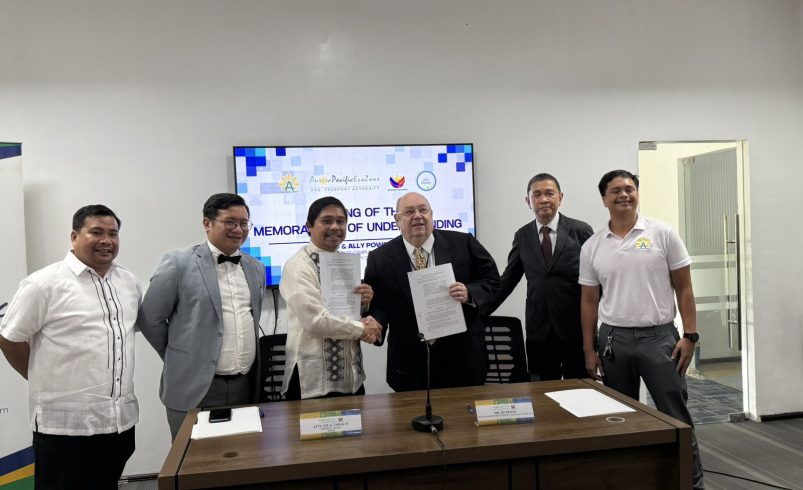
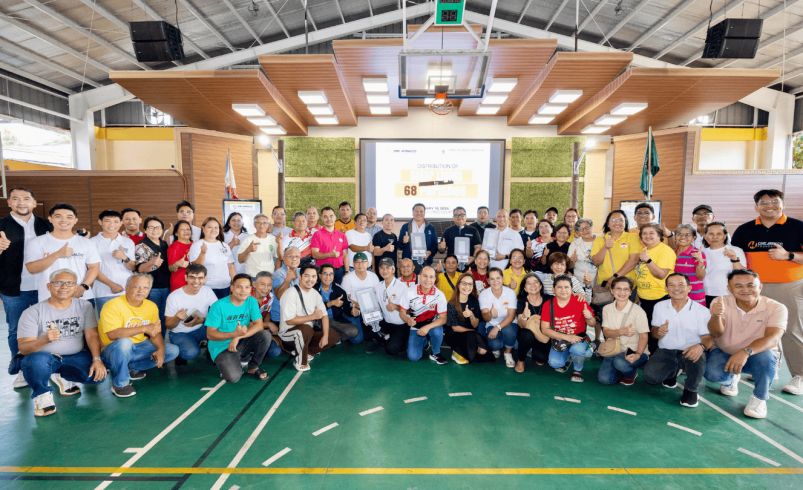
The Aurora Pacific Economic Zone and Freeport Authority (APECO) has signed a Memorandum of Understanding (MOU) with US-based clean energy firm Ally Power, Inc. to advance studies for a hydrogen-based power generation facility inside the Aurora ecozone, a move aimed at addressing long-standing power supply challenges in the province.
Under the MOU, the parties will undertake technical, engineering, and investment studies for a hydrogen power facility with an indicative capacity of up to 128 megawatts (MW) and an estimated investment value of up to USD 200 million. APECO said a 20-hectare site within the ecozone has been identified for evaluation, subject to detailed studies and regulatory approvals.
APECO President and CEO Atty. Gil G. Taway IV spotlighted the role of energy infrastructure in economic development, saying, “Power precedes progress.” He said industries may be willing to wait for roads, facilities, or workforce training, but cannot operate without dependable and reliable electricity.

Taway said the proposed project is being studied as part of broader efforts to improve Aurora’s long-term energy reliability, which APECO considers critical to attracting new investments and supporting the expansion of industries within the ecozone. He added that the MOU allows both parties to undertake technical evaluation, planning, and coordination in a deliberate and transparent manner.
For its part, Ally Power said it will lead the technical and investment studies for the proposed facility. Ally Power, Inc. Head of Business Development for Asia Ed Travis said the company is eager to begin feasibility work while engaging local stakeholders.
“We at Ally Power are thrilled to play our part in the development of Aurora Province, and especially with the development of APECO,” Travis said. “We hope to work with stakeholders here to not only build infrastructure, but also to build great jobs and contribute to academic programs for the future of our young people as well.”
Travis said the company is prepared to move quickly on studies, including front-end engineering and design (FEED), while complying with regulatory requirements. He noted that project timelines will depend on permitting and environmental approvals, including securing an Environmental Compliance Certificate.
“Typically, in establishing these kinds of projects, we first start with what’s called a FEED study,” Travis said, adding that development could take around two years, “but depende,” depending on how requirements progress.
APECO officials said any future power supply arrangements arising from the proposed project will be structured in compliance with the Electric Power Industry Reform Act and Energy Regulatory Commission rules. They also said environmental clearances will be a prerequisite before any construction activities can begin.
Beyond power generation, the MOU also opens the door to related initiatives such as human capital development. Travis said Ally Power is exploring a possible partnership with the Aurora State College of Technology to establish a Clean Energy Center of Excellence focused on green energy technologies.
APECO said it will continue engaging local government units, host communities, educational institutions, and national agencies as discussions move forward, emphasizing that any power-related project pursued under the MOU must align with local development priorities.
Will the feasibility studies under this MOU translate into a concrete solution to Aurora’s long-standing power constraints?
Follow Power Philippines on Facebook and LinkedIn or join our Viber community for more updates.