New ERC rules simplify power connections, refund bill deposits
- January 31, 2026
- 0
The Energy Regulatory Commission (ERC) has approved changes to the Magna Carta for Residential Electricity Consumers, introducing reforms aimed at making it easier for households to apply for electric service and improving how bill deposits are handled and refunded.
The changes address two long-standing consumer concerns: the difficulty of securing new electricity connections and the cost of bill deposits. The ERC said the amendments are intended to remove unnecessary barriers while strengthening consumer protections.
Under the revised rules, the ERC simplified the documentary requirements for new residential electricity service applications. Applicants will now be required to submit only essential documents. These only include a completed application form, a valid government-issued ID, a Certificate of Final Electrical Inspection or its equivalent, proof of ownership or right to use the premises—or a barangay certification in certain cases—and a list of electrical loads.

The ERC said the streamlined requirements are meant to reduce delays in processing applications, particularly for households in mass housing developments and condominium units, where these issues have often slowed down connections.
The amendments also institutionalize automatic bill deposit refunds for specific groups of consumers. Residential customers who qualify for a 100% discount under the Lifeline Program will automatically receive refunds of their bill deposits, which will be credited to their monthly electricity bills without the need to file a separate request.
In addition, residential consumers who have consistently paid their electricity bills on or before the due date for two consecutive years will also automatically qualify for a refund of their bill deposits, including any accrued interest. Distribution utilities will be required to apply these refunds directly to consumers’ bills.
To further ease the financial burden on new applicants, the ERC introduced more flexible payment options for bill deposits. Consumers applying for new residential connections may choose to pay the required deposit either in full or in three equal monthly installments, starting with their first electricity bill.
The ERC also authorized distribution utilities to waive bill deposits or offer alternative arrangements, provided that consumer protections and payment safeguards remain in place. The Commission said this flexibility allows utilities to tailor arrangements while still protecting consumers.
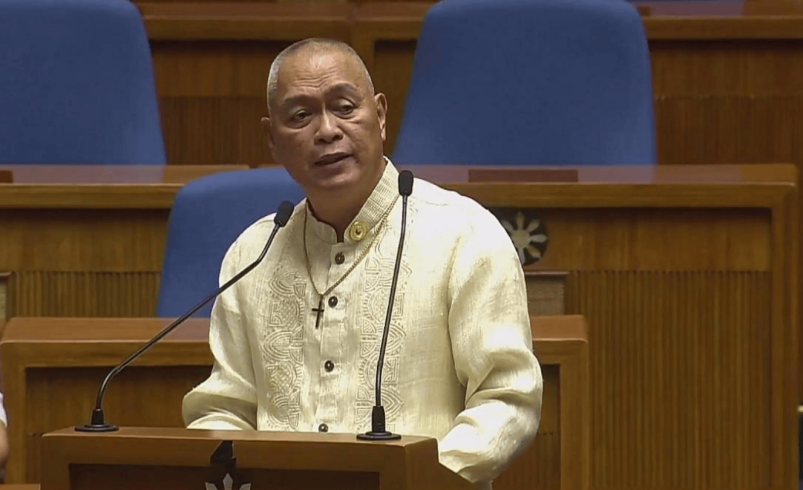
ERC Chairperson and CEO Francis Saturnino C. Juan said the amendments are meant to strengthen consumer protection and improve access to electricity services. “These reforms strengthen consumers’ right to electric service while ensuring fairness, transparency, and accountability in the handling of bill deposits,” Juan said, adding that the measures also aim to reward good payment behavior.
The amendments will take effect 15 days after publication in a newspaper of general circulation or in the Official Gazette, after which distribution utilities will be required to comply.
For households struggling with upfront costs or lengthy application processes, will these reforms make securing electric service simpler and fairer in practice?
Follow Power Philippines on Facebook and LinkedIn or join our Viber community for more updates.