ENERGYEAR Philippines 2026 recap: Solar projects face rising complexity as storage and execution risks grow
- February 4, 2026
- 0
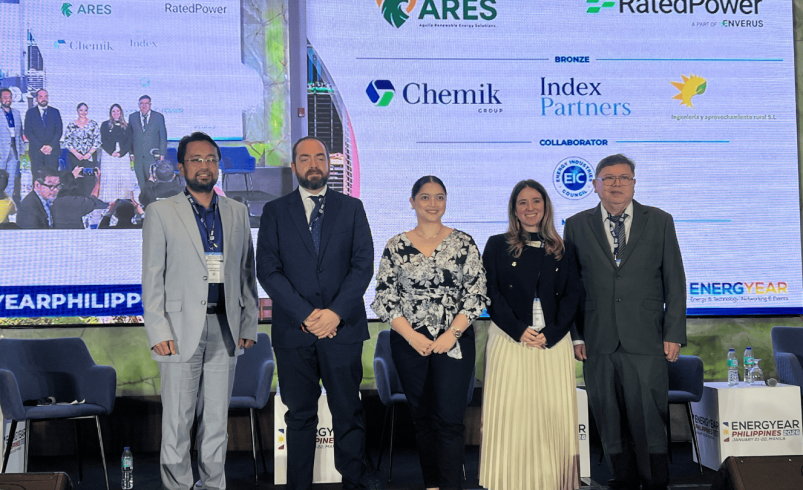
Solar development in the Philippines is becoming more complex as battery storage shifts from an optional add-on to a critical requirement. On top of that, planning and execution risks have increased in importance when it comes to whether projects remain viable, industry experts said at Energyear Philippines 2026.
Speakers in a panel said changes in demand and pricing patterns have reduced the effectiveness of standalone solar projects. David Evangelista, senior AVP for business development at Vivant Energy Corporation, said peak prices are no longer confined to daytime hours. “The peak has shifted to the night,” he said, adding that storage is needed to help solar projects remain relevant under current market conditions.
Evangelista said battery storage allows developers to manage intermittency and improve reliability, especially as buyers demand more consistent supply profiles. “Storage helps level the output,” he said, noting that solar alone can no longer meet baseload expectations.

Beyond technology, panelists also emphasized that early-stage planning plays a critical role in project outcomes. Alicia Herrera Alonso, sales manager at RatedPower, said many project risks are determined long before construction begins. “Most of the decisions that affect the project are already locked in during the early stages,” she said, referring to design and planning choices.
Alonso said simulation and planning tools are getting more popular as they test different scenarios before capital is committed, helping developers identify risks and optimize layouts early. This approach, she said, can prevent costly redesigns and delays later in the project lifecycle.
Land constraints were also raised as a growing challenge for solar expansion. Robert Gerard Nepomuceno, president and CEO of RASLAG Corporation, said alternative approaches such as agrivoltaics are being explored to address limited land availability. “Right now, agrivoltaics is still being treated more like CSR than a bankable project,” he said.
Nepomuceno added that unclear permitting and regulatory treatment continue to limit wider adoption. He cited challenges related to land classification and approvals, particularly involving agricultural land, all of which slow down project development despite growing interest in dual-use models.
Execution and financing risks were highlighted as major concerns, even as equipment prices continue to decline. Evangelista said developers must account for long-term exposure over the life of a project. “These projects run for 25 to 30 years,” he said, pointing to financing structures, taxes, and lender requirements that can materially affect economics.
Speakers concluded that these factors mean developers are now focused not just on lowering capital costs, but on protecting projects from risks that could erode returns over time. Managing execution risk, they said, has become as important as securing competitive pricing.
Overall, the panel stressed that “smart energy futures” will depend on integrating storage, improving planning discipline, and addressing execution and land-related challenges, rather than simply relying on falling technology costs.
As solar projects grow more complex, is the Philippine energy sector adapting fast enough to manage the added risks that come with storage, land constraints, and long-term execution?Follow Power Philippines on Facebook and LinkedIn or join our Viber community for more updates.