FAST flags truck dwell time as major hurdle to EV adoption
- February 20, 2026
- 0
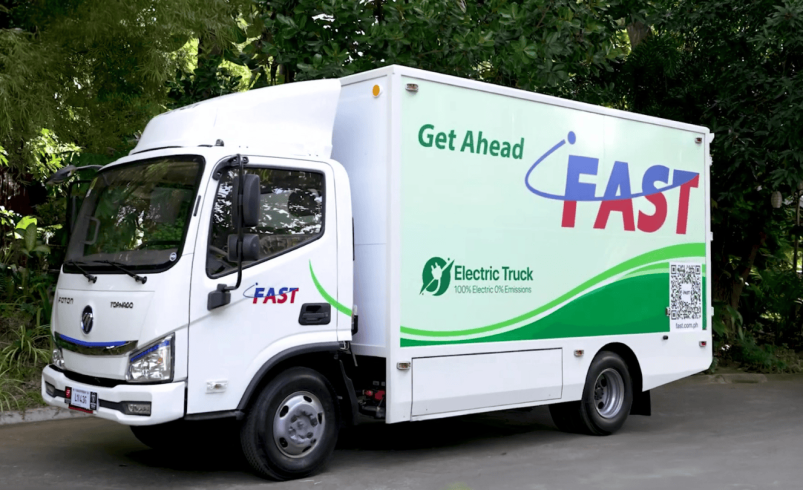
FAST Logistics Group said cutting truck dwell time is vital to making electric vehicles (EVs) commercially viable in fast-moving consumer goods (FMCG) logistics, arguing that full utilization – not merely sustainability – will determine whether fleets can scale.
Speaking at the American Chamber of Commerce of the Philippines (AmCham) discussion titled “The Future of FMCG Logistics: Navigating Electric Vehicle Fleets for Sustainability and Commercial Viability,” FAST CEO for Logistics Manuel L. Onrejas Jr. said EVs can only deliver acceptable returns if they are utilized efficiently.
Onrejas identified excessive truck dwell time, which is the hours vehicles spend waiting to be loaded at warehouses or unloaded at retail stores, as the primary constraint limiting EV returns. In some cases, dwell time can reach up to 12 hours.

For electric trucks, which carry significantly higher upfront costs than diesel vehicles, such delays directly degrade financial viability. To justify the investment from a financial perspective, Onrejas said trucks must complete 30 to 40 trips per month.
FAST operates more than 3,100 trucks daily and works with over 900 trucking partners nationwide, giving the company clear data into how prolonged waiting times slow turnaround and reduce income for truck owners.
To reduce dwell time in FMCG warehouses, Onrejas said companies should adopt more efficient picking processes so goods are ready for loading when trucks arrive. For modern trade, he suggested giving electric trucks “green lane” priority to speed up unloading and improve turnaround times.
While FAST supports the goals of the Electric Vehicle Industry Development Act (EVIDA), Onrejas noted that electric trucks can cost more than double their diesel counterparts, which is a significant factor in a country already grappling with high logistics costs.
The high capital requirement makes FMCG companies hesitant to adopt EVs for transport operations, especially if the added expenses would be passed on to consumers.
“We cannot simply pass sustainability costs to our Principals if those costs are passed on to consumers already struggling with the rising costs of goods and services,” Onrejas said.
He emphasized that the transition to EV fleets must be “practical, inclusive, and economically viable.”
Onrejas also pointed to financing and infrastructure gaps, calling for more accessible credit, longer amortization periods, and lower interest rates.
“Operationally, EVs can make sense. But the financing terms have to match reality,” he added.
Charging infrastructure remains limited, constraining long-haul operations. In many cases, FAST has had to build its own EV charging facilities to support pilot projects.
Despite all these constraints, FAST has launched an EV prime mover with a customized 40-foot trailer wing van, supported by a solar-powered EV charger, in partnership with an FMCG company. The truck is used to move goods between company hubs, where charging and scheduling are predictable.
Onrejas concluded that while large-scale EV deliveries are feasible under controlled conditions, broader FMCG distribution networks may not always offer the same operational predictability.
As companies pursue sustainability targets, can operational reforms and financing support make EV fleets commercially viable across Philippine logistics networks?
Follow Power Philippines on Facebook and LinkedIn or join our Viber community for more updates.