Asian countries face worse oil price shocks amid Middle East conflict – Energy experts
- March 5, 2026
- 0
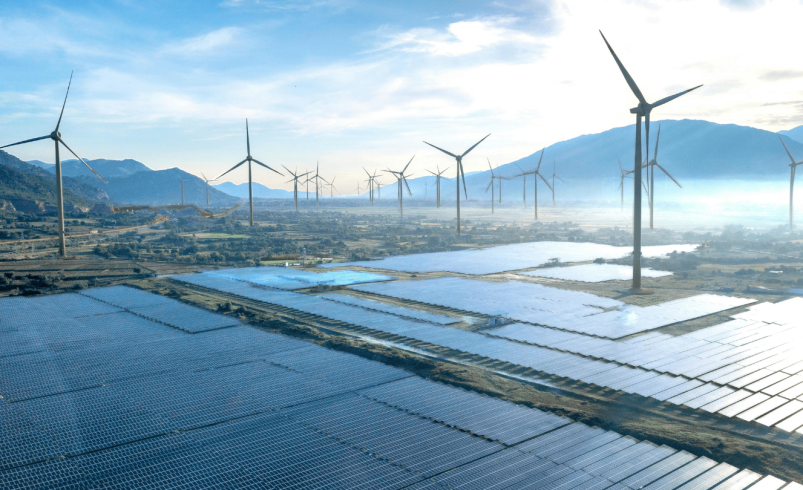
Asian energy experts called on the Philippines and its Southeast Asian neighbors to accelerate infrastructure development of renewable energy, to avoid price shocks due to prolonged impact of energy crisis from US-Israel war on Iran.
Sam Reynolds, LNG/Gas Research Lead of the Asia, Institute for Energy Economics and Financial Analysis said the prolonged disruptions to oil and gas supplies from Middle East could trigger significant global price shocks that threaten the stability of the Asian markets.
“The urgency of a clean energy transition for Asia’s energy security has once again become unmistakably clear,” said Reynolds at the webinar titled: “Asia at the Epicentre: How a Strait of Hormuz shock would hit Asian energy security and economies,” hosted by the Global Strategic Communications Council (GSCC).

Asian countries are the most exposed to price shocks and shortage of oil and gas supplies, following the closure of Strait of Hormuz, as part of Iran’s retaliatory acts, he said.
Amy Kong, research analyst of Zero Carbon Analytics said that while Asian economies have turned to Liquefied Natural Gas (LNG) resource sustainability remain problematic, unlike the renewable energy. Vietnam and the Philippines started importing LNG for the first time in 2023, while Thailand is the region’s top LNG importer in 2024.
“ASEAN has 99% of technically available wind and solar resources that are currently untapped, representing a vast opportunity for energy independence and growth in the region,” said Kong.
The Philippines faces a compounding crisis due to US-Israel attacks on Iran, escalating across the Middle East region-both on oil and gas supplies and the remittances of more than two million migrant Filipino workers in the region.
Gerry Arance, Executive Director, Center for Energy, Ecology, and Development (CEED) said the Philippines is a classic example of energy insecurity due to its dependence on energy importation, which is contrary to what is stipulated in existing laws.
Besides oil and gas supply problems, Arance said the Middle East conflict will impact the Philippines’ reserves which is being used for government’s debt repayments.
“That is why the Iran crisis is a double whammy for the Philippine economy, given the overall dependency of the power and energy sectors on imports,” he said.
“The situation could also be a silver lining for the Philippines. It also presents an opportunity to leapfrog and ensure that this does not happen again. [In] the context of the current conflict, renewable energy — particularly solar rooftop PV systems — is not [only] a strategic solution, but an immediate one, because it can be deployed within weeks,” Arance said.