Middle East Tensions Could Push WESM Prices Up by PHP 2–4/kWh — ERC, IEMOP
- March 12, 2026
- 0
Baguio City – The Energy Regulatory Commission (ERC) and the Independent Electricity Market Operator of the Philippines (IEMOP) have flagged potential upward pressure on wholesale electricity prices amid escalating geopolitical tensions in the Middle East, with simulations projecting a PHP 2 to PHP 4 per kilowatt-hour increase in Wholesale Electricity Spot Market (WESM) clearing prices.
The projections were presented to the ERC based on IEMOP’s market price simulation using global commodity benchmarks as of March 9, 2026. The analysis examined the impact of rising international coal, natural gas, and oil prices on thermal generator behavior in the spot market.
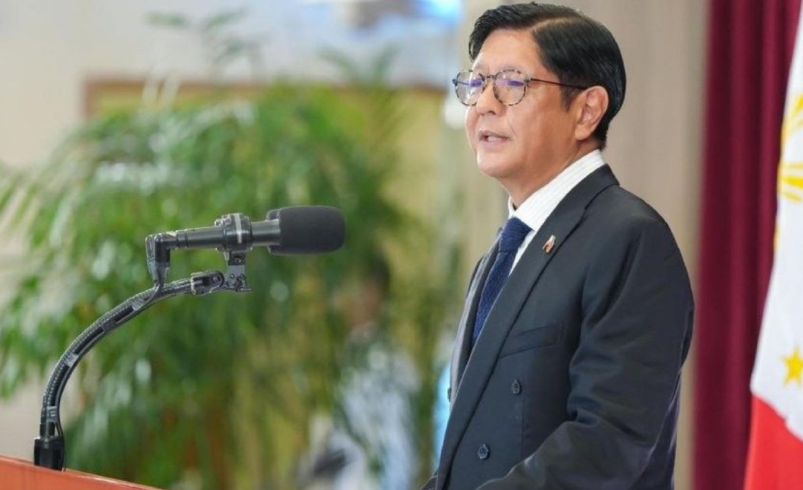
ERC Chairperson and CEO Atty. Francis Saturnino C. Juan shared the details on the sidelines of the Philippine Electric Power Industry Forum, held today at the John Hay Convention Center in Baguio City.

As fuel costs rise, thermal generators adjust their market offers upward to recover higher operating expenses — pushing clearing prices higher when these units set the market price more frequently.
The PHP 2/kWh scenario reflects fuel cost increases alone. The PHP 4/kWh scenario is more severe, combining multiple stress factors such outage and higher demand.
“Yung scenario na aabot hanggang PHP 4.00, is yung scenario na mayroong mababawas na capacity dahil may mga planta na on outage, so mas malaki ang magiging pagtaas ng presyo ng kuryente,” Juan said.
Price pressures are expected to be felt across all three grids, with the Visayas grid expected to see relatively more pronounced increases given its generation mix.
The ERC warned that the pressure could begin materializing as early as April.
Crucially, Juan stressed that WESM price movements will not translate peso-for-peso into higher electricity bills for consumers.
“Whatever yung movement in the prices sa WESM, hindi iyan necessarily magta-translate one is to one doon sa presyo ng generation natin, kasi it depends on the exposure naman ng utility sa WESM,” he said.
Juan explained the increase will not hit all utilities equally, as it also hinges on where they source their power and how their PSAs are structured. Utilities that source heavily from the spot market face greater risk.
“Kung malaki ang WESM exposure nila, at ganyan ang magiging extent ng increases, they will bear the brunt,” Juan told reporters.
By contrast, utilities with well-structured long-term contracts are in a stronger position. “But if they are sufficiently contracted under Power Supply Agreements (PSAs), especially yung mga PSAs that are financial in nature na walang fuel pass-through, walang automatic fuel pass-through, then at least magiging mas stable yung kanilang generation cost,” Juan explained.
The ERC confirmed that the Secondary Price Cap (SPC) mechanism remains operational, automatically limiting prices when sustained spikes breach regulatory thresholds — preventing runaway market offers from persisting.
The Commission has also directed IEMOP and the ERC Market Operations Service (MOS) to closely monitor market activity and flag any unusual or suspicious behavior, ensuring no participant exploits prevailing conditions to exercise market power.
On the supply side, the Philippine Independent Power Producers Association (PIPPA) indicated its members currently maintain sufficient fuel inventory, with no anticipated supply disruptions — only the price increases already factored into IEMOP’s simulation assumptions.
The ERC said it will continue coordinating with IEMOP and industry stakeholders as developments unfold, and stands ready to deploy contingency measures if conditions warrant.
Follow Power Philippines on Facebook and LinkedIn or join our Viber community for more updates.