Offshore wind could transform Philippines’ energy security –ICSC
- March 13, 2026
- 0
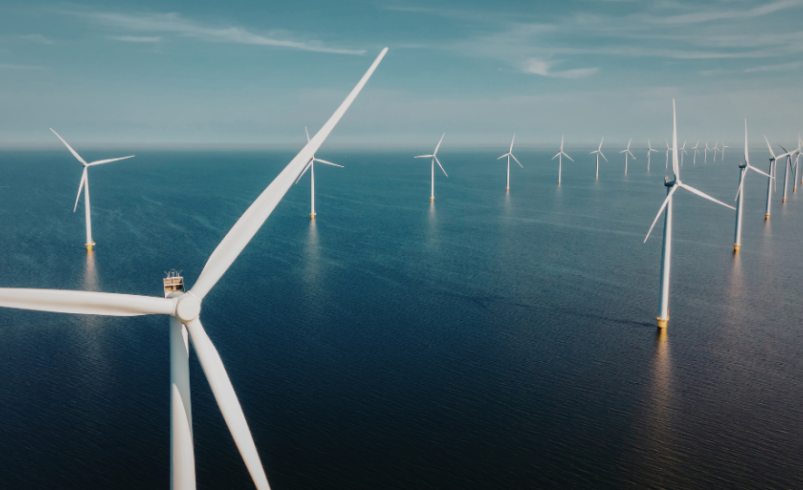
The Philippines could significantly strengthen its energy security—and potentially become a regional power exporter—by developing its vast offshore wind resources, an energy expert said during a regional media briefing on how geopolitical tensions around the Strait of Hormuz are exposing Asia’s vulnerability to imported fossil fuels.
Gaspar Escobar Jr., grid modernization advisor at the Institute for Climate and Sustainable Cities (ICSC), said harnessing indigenous renewable energy resources, including offshore wind, would reduce the country’s dependence on imported fuels.
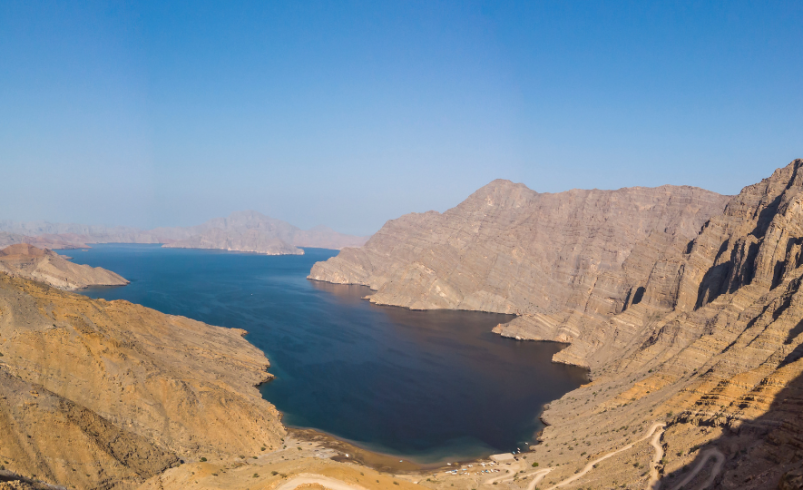
The media briefing was held as analysts warned that tensions in the Middle East could disrupt global oil and gas flows passing through the Strait of Hormuz, one of the world’s most critical energy shipping routes. For import-dependent economies in Asia, the risk of supply disruptions and price spikes has renewed attention on domestic energy sources such as renewable power.
“We will increase our energy independence and energy security by using our local indigenous renewable energy resources,” Escobar said.

The Philippines is widely considered one of Southeast Asia’s most promising markets for offshore wind development, with strong wind corridors identified across multiple regions—an opportunity that experts say could reduce the country’s exposure to volatile global fuel markets.
“The World Bank already identified a lot of wind corridors in the Philippines, putting potential offshore wind capacity at 60 gigawatts all over the country,” Escobar said. “That would power not only the whole country, we can also become an exporter of power to our neighbor ASEAN countries.”
Studies by the World Bank estimate the Philippines’ total technical offshore wind potential at around 178 gigawatts, among the largest in Southeast Asia, highlighting the scale of resources available for long-term power development.
The Department of Energy has already awarded 92 offshore wind energy service contracts with a combined potential capacity of around 65 gigawatts. The government is also preparing the next round of its competitive procurement program, the Green Energy Auction Program Round 5 (GEA-5), which is expected to include offshore wind capacity for the first time as the country moves to scale up large-scale renewable projects.
Developing large-scale renewable capacity could also reshape investment dynamics in the Philippine power sector, particularly as fuel price volatility continues to affect fossil-fuel-based generation.
Escobar noted that investors considering new power projects must compete in the country’s competitive procurement framework, emphasizing that rising fuel price volatility could also affect investment decisions in the Philippine power sector, where many planned plants rely on imported liquefied natural gas (LNG).
“If I’m an investor putting a power plant using imported LNG, and our power sector is run by a competitive selection process, meaning you have to bid, how will you get your market if your cost of power will be high?” he said.
Across Asia, panelists said geopolitical tensions and volatile fuel markets are reinforcing the strategic importance of domestic renewable energy resources as countries look to reduce dependence on imported fuel.
Ramnath N. Iyer of the Institute for Energy Economics and Financial Analysis said renewable energy can also improve economic resilience because it is not dependent on continuous fuel imports.
“The fossil fuel supply chain is dependent on day in, day out, while for renewables, once you put it, you’re done for 20 years, 25 years, 30 years. There’s no supply chain disruption. The renewable supply chain is significantly less affected than the fossil fuel supply chain,” he said.
Analysts also pointed to the falling cost of renewable technologies compared with fossil fuels.
“At the current prices of gas, we are looking at an LCOE of gas of about USD 130 per megawatt hour. Now, if you look at the global average for solar and for wind, that’s about USD 40,” Iyer said.
The panelists noted that a combination of abundant renewable resources and falling technology costs could position the Philippines as a key clean energy player in the region if supported by grid development and supportive policies—particularly as governments reassess energy security risks amid ongoing geopolitical tensions.
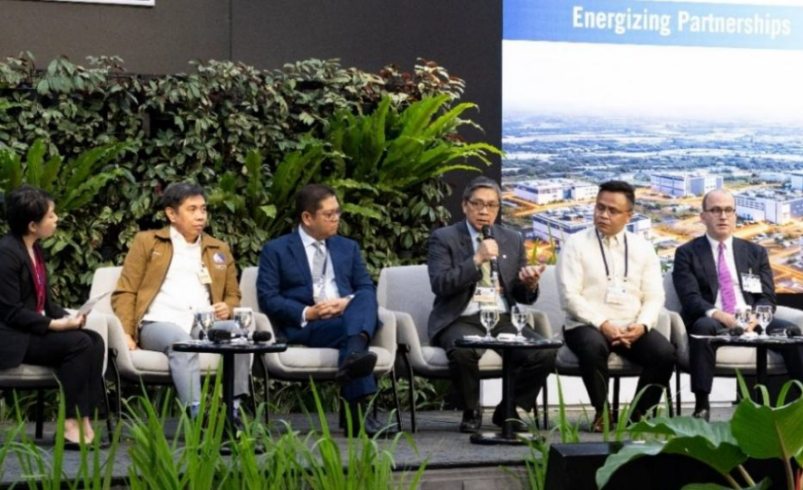
The webinar, “Securing Asia’s Energy Future Amid the Hormuz Crisis,” took place on Thursday.
With vast offshore wind resources and rising fuel price volatility, should the Philippines prioritize large-scale renewable expansion to strengthen energy independence?
Follow Power Philippines on Facebook and LinkedIn or join our Viber community for more updates.