SNAP targets 729 MW capacity by 2026 with new battery and hydro projects
- March 16, 2026
- 0
SN Aboitiz Power (SNAP) is expanding its renewable energy portfolio to 729 MW by 2026, driven by new battery energy storage systems at Magat and Binga and the planned Magat floating solar project secured under the government’s Green Energy Auction Program (GEA).
SNAP President and CEO Joseph Yu said the company will activate two battery energy storage systems in 2026, expanding its grid support capabilities.
The first involves the expansion of the Magat battery energy storage system, increasing its capacity from 24 megawatts to 40 megawatts.

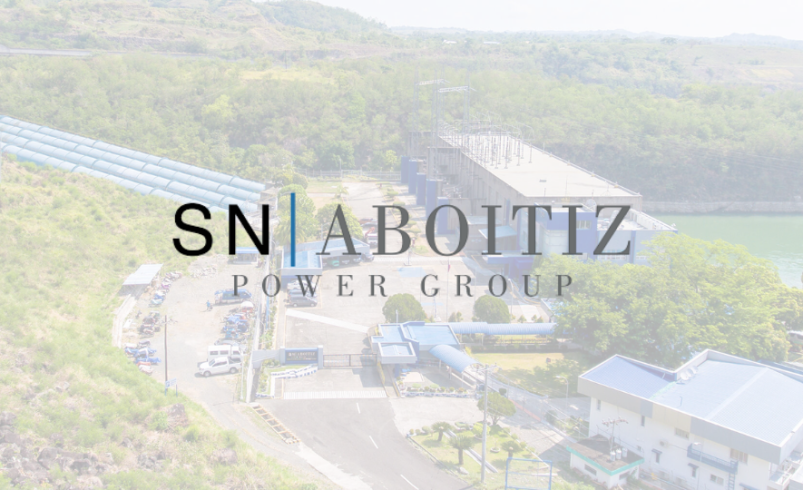
The Magat hydroelectric power plant sits along the Magat River in Ramon, Isabela, one of Luzon’s major renewable energy facilities.
The second project is the 40-MW Binga battery energy storage system, located at the Binga hydroelectric power plant in Itogon, Benguet.
“We’re expanding it from 24 megawatts to 40 megawatts. And then for BINGA, we will turn on… That is a 40 megawatt project. And it should turn on around the middle of the year,” Yu said.
The Binga BESS, which broke ground in March 2025, is SNAP’s first battery storage project in Benguet and the third in its fleet.
It builds on the existing 24-MW Magat BESS and the ongoing development of the 16-MW Magat BESS Phase 2.
Together, these projects will bring SNAP’s total battery storage capacity to 80 MW by 2026.
This hybrid approach—combining battery storage with hydropower—allows SNAP to store excess electricity and release it when demand spikes or when the grid experiences disruptions.
The model also helps stabilize renewable power supply, which fluctuates depending on weather and demand patterns.
This initiative is part of SNAP’s broader strategy to integrate complementary technologies with its hydro assets.
By pairing batteries with hydropower facilities, the company aims to help build a more resilient and flexible energy market in the Philippines.
SNAP is also advancing the Magat floating solar project, which secured an offtake agreement under the government’s Green Energy Auction Program.
Yu said the company is now focused on completing the technical and commercial requirements needed before construction begins.
“That one, as you know, we were able to place it in GEA. So, now we’re working as fast as we can on its development,” Yu said. “Now, we need to finish the rest of the technical and the commercial side of it. CAPEX and investment side. So, that we could get it started.”
SNAP is also monitoring future renewable auction rounds that align with its core technologies.
“We’re keeping an eye out for GEAs that are in line with our technology. So, when batteries are involved, PV, hydro, we would be keeping an eye out for them.”
The company is also prospecting new solar projects, although evolving regulations are influencing project design.
“We’re looking. We’re prospecting. We have several prospects. But we’re trying to figure out, with the IRESS, with the circular, that all the PV projects in the future should have a BESS component,” Yu said.
“So, we are trying to see what’s the best business model for that. And how would we position ourselves, using the strengths of our two shareholders, to see if we could have a winning plan for that environment.”
SNAP’s expansion plans remain concentrated in Luzon, where the company sees strong electricity demand growth. At the same time, the company continues to evaluate new hydro opportunities.
“It’s always on the radar screen,” Yu said when asked about run-of-river projects.
“But I think from a strength perspective, we’re more of an impounding hydro.”
SNAP is also continuing work on the Alimit hydro project, although the project’s timeline depends heavily on transmission infrastructure.
“We’re still working on it. We’re still making progress,” Yu said.
“We’ve worked with the local community. And we have endorsements from the local LGUs and the IP organizations on the ground. We have all the permits.”
Yu said the project’s viability depends on resolving the transmission constraints.
Yu also called for stronger policies to ensure renewable energy expansion remains economically sustainable.
“I think we would look at regulations that make RE more sustainable. RE is sustainable. But sustainable from a business model perspective as well.”
He emphasized that grid stability must remain a priority as more variable renewable energy enters the system.
“If you’re going to bring in that much variable renewable energy, you need to make sure that the grid can be stabilized and can support it.”
SNAP has focused heavily on ancillary services, which help maintain grid frequency and ensure reserve power is available.
Follow Power Philippines on Facebook and LinkedIn or join our Viber community for more updates.