Wind expansion in PH hinges on battery storage, Huawei exec says at POOWS 2026
- April 6, 2026
- 0

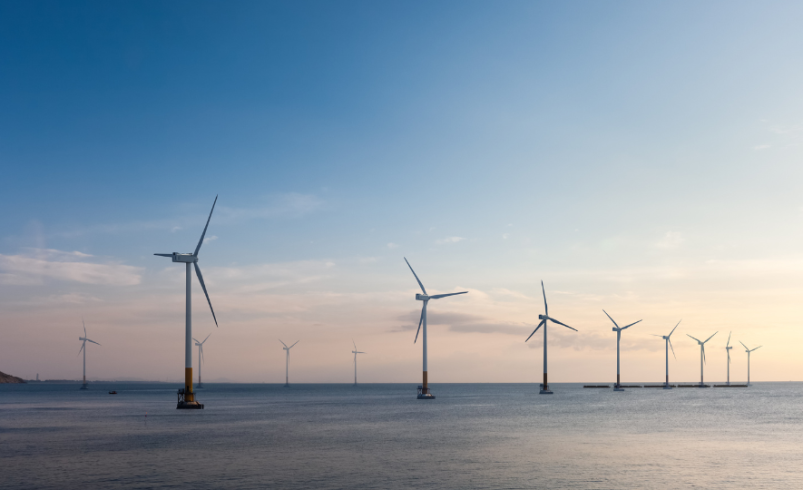
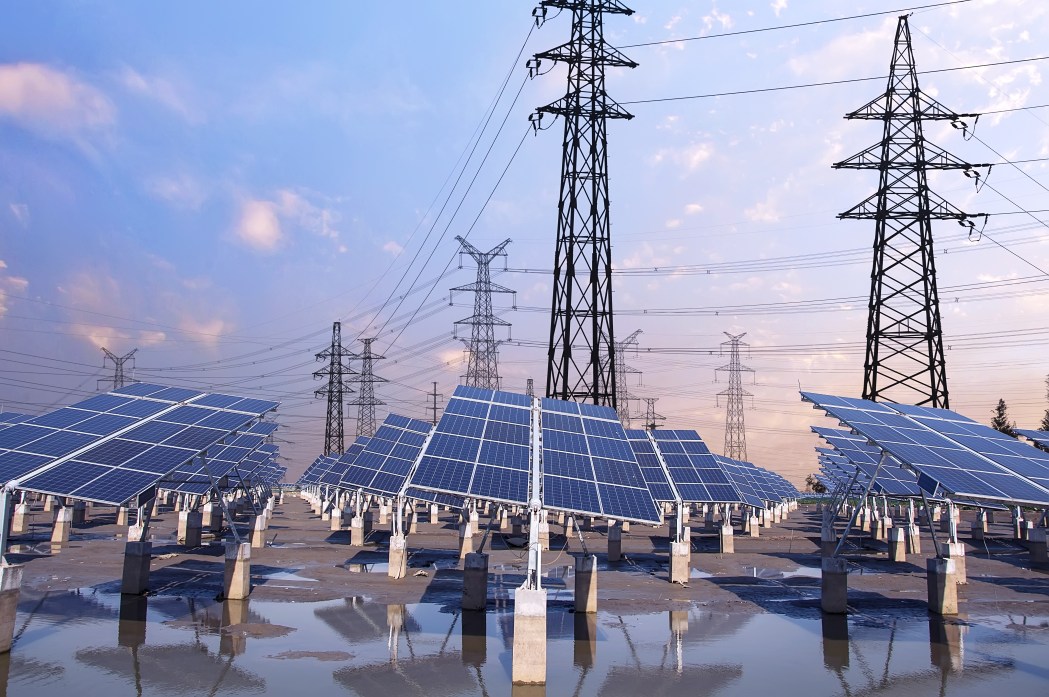
As wind energy projects grow in the Philippines, battery energy storage systems (BESS) are becoming essential in making the power supply more reliable by acting as a “buffer” that stores excess power and releases it when needed.
Milan Mikael Zabat, senior solution manager of Huawei Digital Power Philippines, described BESS as a critical solution to wind energy variability during the first day of the 4th Philippines Onshore Offshore Wind Summit (POOWS) 2026 on Wednesday, March 25, at Dusit Thani Manila.
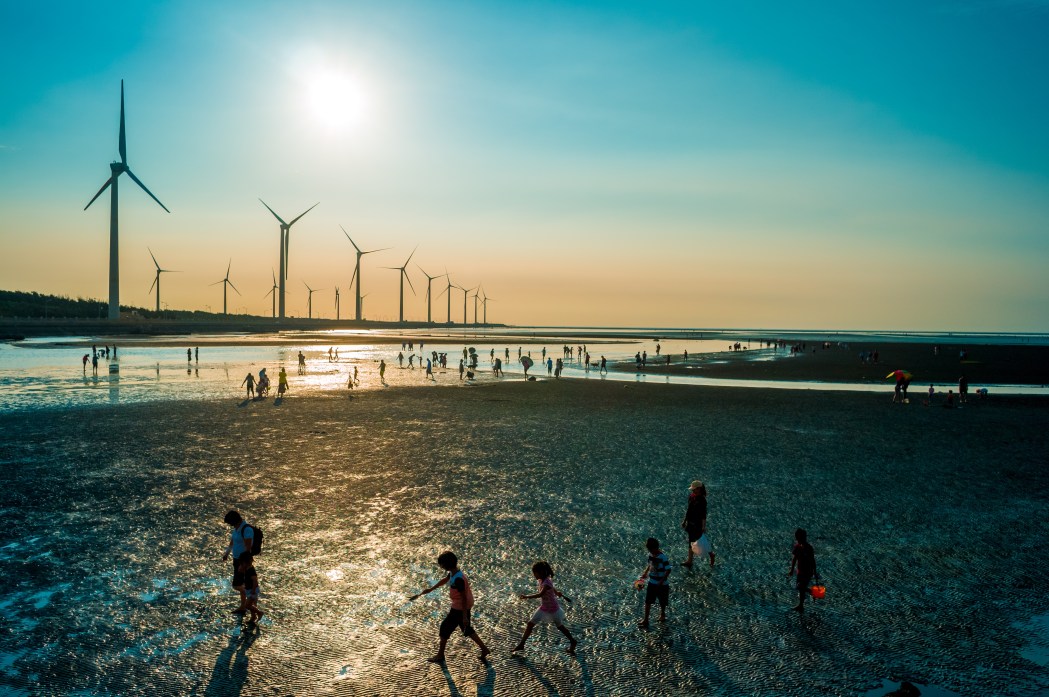
Zabat opened his speech by discussing wind energy development in the Philippines, noting that wind projects had declined due to off-take agreements but were now reemerging with government initiatives, such as the fourth Green Energy Auction (GEA-4) by the Department of Energy (DOE).

He mentioned the Mindoro wind project as a key highlight of a wind energy power plant in the country, which integrates BESS to ensure “a firm and dependable power” during the intermittent nature of wind generation.
“Think of BESS, or the battery energy storage system, as a buffer. So, when the wind blows strong, it absorbs the excess generation. When the wind drops, it dispatches the stored energy, ensuring a continuous and stable supply to the grid,” Zabat explained.
He added, “This is a missing link to have a resilient, clean grid generation.”
According to Zabat, the BESS contributes to grid stability by smoothing out frequency fluctuations from variable wind generation, reduces energy curtailment by capturing all the energy excess coming from the wind so that it won’t be wasted, and supports decarbonization by enabling the displacement of fossil fuel peakers.
There are different methods to integrate wind and battery storage, but the most widely used is medium-voltage AC coupling.
“The main advantage of this is that the storage system is centralized, simplifying the operation, maintenance, and also the services of the energy storage solutions,” Zabat stressed.
Other methods include low-voltage AC coupling, which offers higher efficiency but comes with higher operational risk, and high-voltage coupling, which has been implemented in Europe together with wind and energy storage solutions.
Zabat said the Philippine government plays a key role in supporting the integration of wind and BESS, highlighting the DOE’s auction programs from GEA-1 to GEA-5.
“GEA-5, that was scheduled last year, November, where the landmark is a 3.3 gigawatt auction for fixed-bottom offshore wind, offering a 20-year power supply with a contract of PHP 11 per kilowatt-hour [price cap],” he said.
Zabat mentioned the DOE’s new circular that requires all variable renewable energy (VRE) power plants with an installed capacity of 10 megawatts (MW) and above to install energy storage systems (ESS) equivalent to 20% of the plant’s capacity.
“This is not just a normal energy storage solution, but the DOE adopted and requires that the ESS should be a grid-forming inverter,” he said.
He continued, “So this is a big jump or big leap of the DOE implementing this kind of technology because grid-forming is one of the emerging technologies that definitely support or help our grid resilience.”
Zabat believed that there would be more opportunities to integrate VRE and BESS in the Philippines in the coming years.
“GEA-5 has been launched, so the policy frameworks are maturing. The global capital is actively seeking clean energy exposure in the Philippines,” he said, adding that the country offers “a rare combination of class-scale, strong policy support, and untapped potential, especially in offshore wind.”
Zabat advised developers to join the DOE’s auctions to ensure a firm contract for 20 years, build a local partnership with local developers and stakeholders, and apply the global best practices they have learned from other countries.
“This is the path to a cleaner and more resilient energy future of the Philippines, and it will be built on the foundation of wind and battery storage solutions,” he concluded.
Follow Power Philippines on Facebook and LinkedIn or join our Viber community for more updates.