Congress holds joint hearing on oil crisis amid fuel price surge
- April 8, 2026
- 0
More than a dozen congressional committees are set to hold a joint hearing on Wednesday to address the escalating oil crisis, as global tensions continue to drive fuel price volatility and raise concerns over the Philippines’ energy security.
The rare joint session—bringing together members of both the House of Representatives and the Senate—follows the government’s declaration of an energy emergency, signaling heightened urgency to respond to the impact of the ongoing conflict in the Middle East.
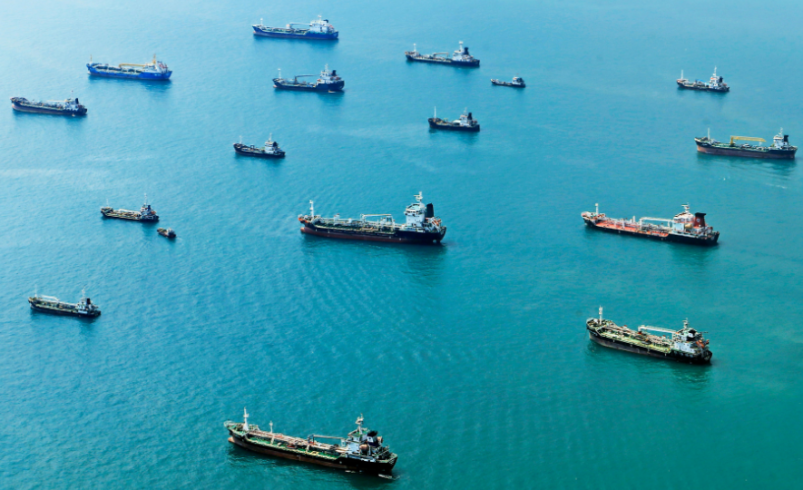
A temporary de-escalation has emerged after the United States and Iran agreed to a two-week ceasefire, alongside moves to reopen the Strait of Hormuz—a key shipping route that carries a significant share of global oil supply.

The conflict had disrupted vessel movements through the strait, contributing to recent spikes in global oil prices.
Cabinet officials are expected to attend the hearing, which will focus on immediate measures to manage rising fuel costs as well as longer-term strategies to reduce the country’s reliance on imported oil.
“Both the House and the Senate are fully aligned and that’s really a result of the declaration of the president uh of the national emergency,” said Atty. Jay Layug, Philippine Energy Research and Policy Institute executive board member, in an interview on Bilyonaryo News Channel.
Lawmakers are also expected to assess the country’s fuel supply position and potential risks to price stability, as global markets remain sensitive to developments in the region.
While the ceasefire may help stabilize supply routes, experts said this is unlikely to immediately translate to lower domestic fuel prices.
“It assures only stability of supply… but price unfortunately will always be affected [as long as] the war is there,” Layug said.
In a separate message to Power Philippines, Layug said early market signals following the ceasefire could provide some relief, though this remains uncertain.
“Hopefully the market will quickly react positively to lower the price. West Texas Intermediate (WTI) and Brent benchmark is now below USD 100 per barrel (bbl) after the announcement. I am hoping Dubai crude oil will also go down from its current level of USD 127/bbl,” Layug told Power Philippines.
As of the time of Wednesday 1PM, Brent crude has fallen to around USD 94.43 bbl while WTI dropped to about USD 96.82 bbl, while Dubai crude is also trending lower in line with the softer Middle East sour crude benchmarks.
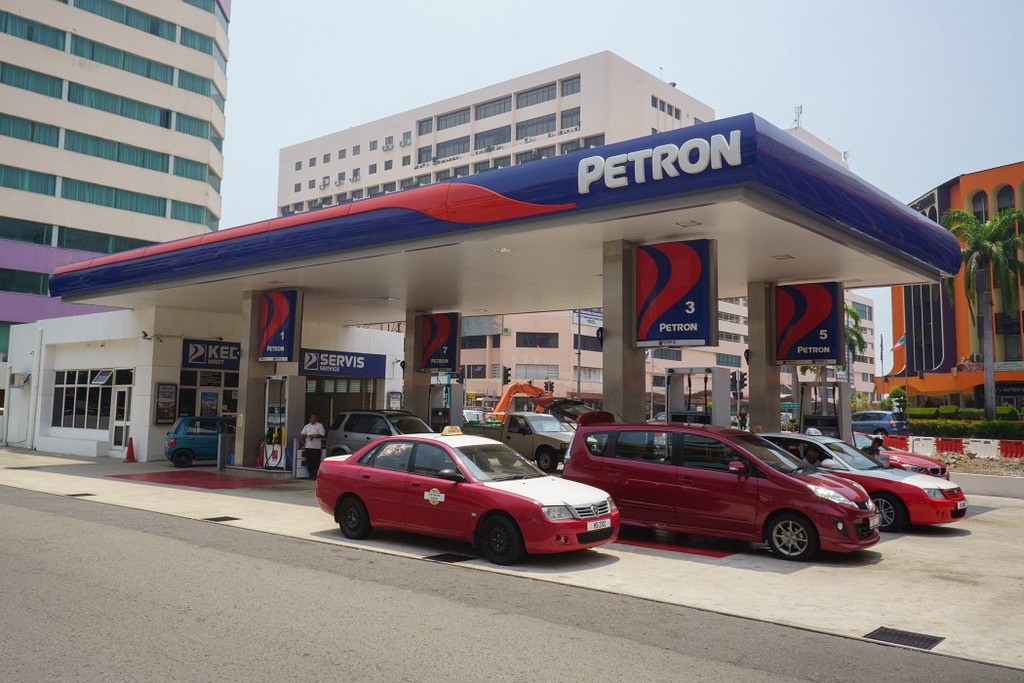
The Department of Energy has earlier indicated that the country has around 50 days of fuel supply, but officials have acknowledged that price pressures could persist amid continued geopolitical uncertainty.
The joint hearing is expected to explore a range of policy responses, including possible interventions to cushion consumers from rising pump prices and measures aimed at strengthening long-term energy resilience.
“There’s so many laws that we can pass right now to address the issue,” Layug said, as lawmakers weigh options to help the country navigate prolonged volatility in global oil markets.
What measures should policymakers prioritize to manage rising fuel costs while strengthening energy security? Share your insights.
Follow Power Philippines on Facebook and LinkedIn or join our Viber community for more updates.