ASEAN regulators seek closer energy cooperation amid crisis
- June 3, 2026
- 0
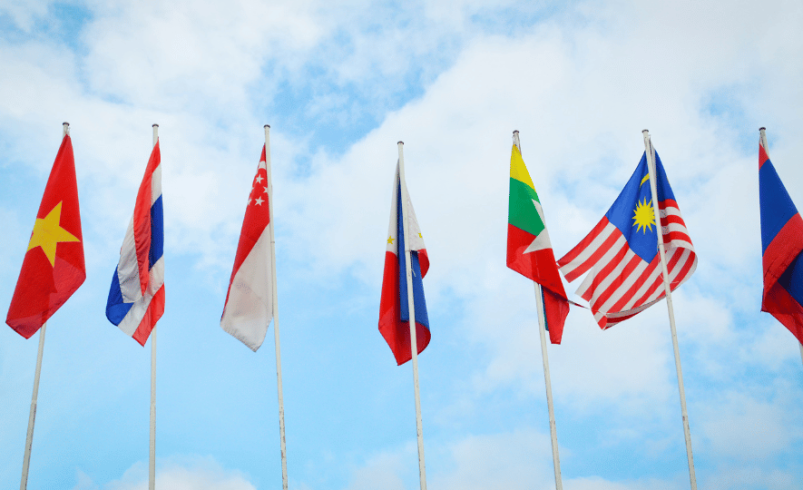
ASEAN energy regulators are pushing for stronger regional cooperation to help member states manage energy security risks and rising power costs amid continued volatility in global fuel markets.
During the Knowledge-Sharing Workshop on “Managing the Energy Crisis and Beyond: Strategies and Tools for ASEAN Regulators” held on June 2, regulators across Southeast Asia highlighted the need for coordinated action to strengthen the region’s resilience against external energy shocks, according to the ASEAN Energy Regulators Network (AERN).
The discussions focused on the impact of fluctuations in liquefied natural gas (LNG) and oil prices, which continue to expose ASEAN economies to supply disruptions and imported fuel dependence. Regulators noted that these pressures have contributed to higher electricity costs and increased fiscal burdens in several member states.

The Philippines’ Energy Regulatory Commission (ERC), which currently chairs AERN, said stronger regulatory coordination and institutional capacity-building are needed to address both immediate energy challenges and longer-term structural issues facing the sector.
“As we navigate the evolving energy landscape, securing affordable, reliable, and sustainable power remains both a pressing challenge and a shared responsibility among ASEAN member states,” ERC Commissioner Floresinda G. Baldo-Digal said during the regulators’ roundtable.
The ERC also presented measures implemented by the Philippine government following the declaration of a state of national energy emergency under Executive Order No. 110, s. 2026.
Among the interventions discussed were the implementation of the Unified Package for Livelihoods, Industry, Food, and Transport (UPLIFT) program, temporary suspension and subsequent resumption of the Wholesale Electricity Spot Market (WESM), administered pricing for coal-fired power plants, expedited approval of power supply agreements, consumer protection measures, and efforts to accelerate renewable energy development.
According to the ERC, these measures were aimed at cushioning consumers from rising energy costs while helping maintain supply security and system stability.
“Our response must go beyond short-term solutions. We must strengthen systems that ensure long-term resilience and stability in the energy sector,” Digal said.
Regulators also emphasized the need to strengthen consumer protection frameworks, particularly for vulnerable sectors, while supporting investments in grid modernization, energy storage technologies, and demand-side flexibility.
The workshop further highlighted the importance of regulatory harmonization across ASEAN to support the ASEAN Power Grid initiative and facilitate cross-border electricity trade. Participants likewise stressed the need for policies that encourage investment in resilient energy infrastructure and integrate energy security considerations into the region’s broader energy agenda.
The discussions concluded with regulators viewing the current energy challenges as an opportunity to accelerate ASEAN’s transition toward a more interconnected, resilient, and sustainable energy system.
What are your thoughts on ASEAN’s push for deeper regulatory coordination and cross-border power integration? Can stronger regional cooperation help improve energy security and affordability in the Philippines and the wider region?
Follow Power Philippines on Facebook and LinkedIn or join our Viber community for more news and updates in the Philippine energy sector.