Study projects up to 117M tons of Philippine RE waste by 2075
- June 30, 2026
- 0
The Philippines could generate as much as 117 million tonnes of end-of-life waste from renewable energy technologies by 2075, according to what organizers describe as the country’s first Material Flow Analysis (MFA) of the renewable energy sector.
The preliminary study, titled “The Future Renewable Energy Waste in the Philippines,” was soft-launched by the Responsible Energy Initiative (REI) Philippines during PhilEnergy 2026. The analysis projects cumulative waste from solar panels, wind turbines, and battery energy storage systems at between 86 million and 117 million tonnes by 2075.
By 2050, cumulative renewable energy waste is estimated to reach 28 million to 35.5 million tonnes, with roughly three-fourths of that volume expected to emerge during the final 15 years leading up to 2050. Annual waste flows are projected to peak at between 3.3 million and 5.8 million tonnes by 2075.

The study was presented by Dr. Joey Ocon, Workstream Lead for Circular RE Futures of REI Philippines–Forum for the Future and Co-Convenor of the Center for Energy Research and Policy (CERP).
According to REI Philippines, the projections are preliminary and will remain initial MFA estimates until the full white paper is published in the second half of 2026.
The study argues that the Philippines still has time to establish policies and systems for managing renewable energy waste before large volumes of retired equipment begin accumulating.
“A truly clean energy transition is not only about what we build. It is also about what we refuse to leave behind. The Philippines is still in the design window, not yet the crisis window,” Ocon said.
REI Philippines noted that solar panels being installed today are expected to reach the end of their operational lives between 2050 and 2055, making current policy, procurement, and permitting decisions critical to future waste management.
The organization said incorporating circular economy principles into the country’s energy transition now would be more effective than retrofitting waste management systems once end-of-life renewable energy equipment begins accumulating at scale.
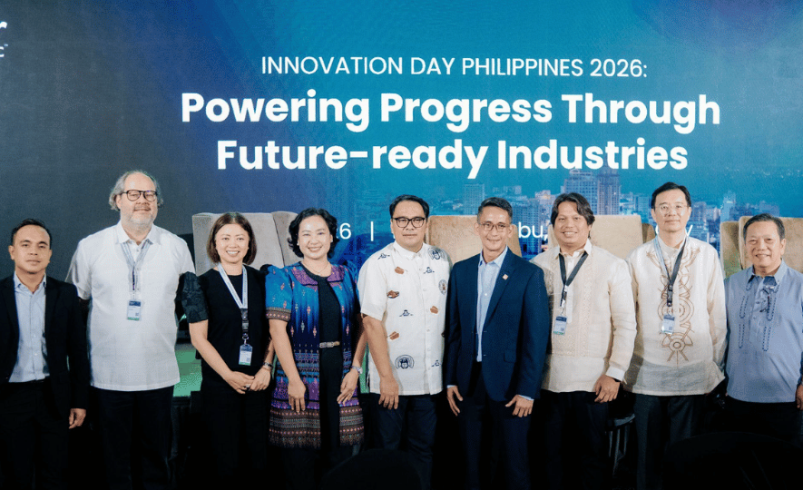
The study was presented during a panel discussion featuring representatives from De La Salle University Manila, BPI, WeGen, the Global Wind Energy Council (GWEC), and the Center for Renewable Energy and Sustainable Technology (CREST), moderated by Engr. Benjie Flores of FESSIA.
REI Philippines said it plans to officially release the full white paper, along with a companion study on standards and certification gaps, in the second half of 2026. A 30-member multi-stakeholder Futures Working Group is also scheduled to convene from July to November 2026 to develop a Circular RE Innovation Agenda, with institutional commitments targeted for 2027.
What do you think? As the Philippines accelerates renewable energy deployment, should end-of-life management and recycling requirements be integrated into project development today, or can they be addressed later as the first generation of assets reaches retirement?
Follow Power Philippines on Facebook and LinkedIn or join our Viber community for more news and updates on the Philippine energy sector.