Acciona Energía targets 2 GW of renewable capacity in the Philippines
- February 18, 2026
- 0
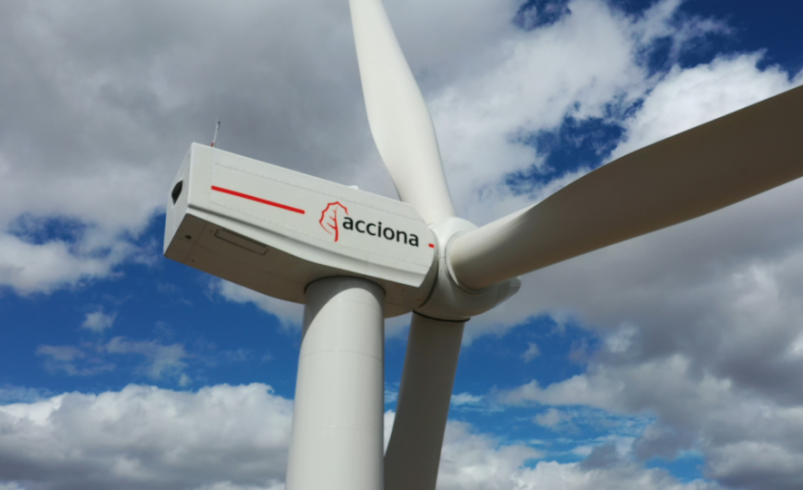
Acciona Energía is expanding its footprint in the Philippines with a portfolio that spans onshore wind, utility-scale solar, and a 2-gigawatt (GW) development pipeline. In 2025, the company secured a 281 MW power supply contract under the Department of Energy’s Green Energy Auction Program Round 4 (GEA-4), with the Kalayaan 2 Wind Farm and Daanbantayan Solar Plant forming key projects.
The renewable generation arm of Spain-based Acciona S.A., Acciona Energía is one of the world’s largest operators focused exclusively on clean energy. With more than 15 GW of installed capacity across 24 countries, the company develops, builds, owns, and operates wind, solar, hydroelectric, and storage assets.
In the Philippines, where it has maintained a presence since 2016 through infrastructure projects, Acciona Energía is scaling up its power portfolio through its 2 GW development pipeline.

With Kalayaan 2 under construction and Daanbantayan advancing toward financial close, Acciona Energía is positioning itself within a Philippine energy market rapidly scaling renewable capacity—set to reach 50% of the generation mix by 2040—while navigating competitive Green Energy Auction Program rounds and the operational challenges posed by frequent typhoons.
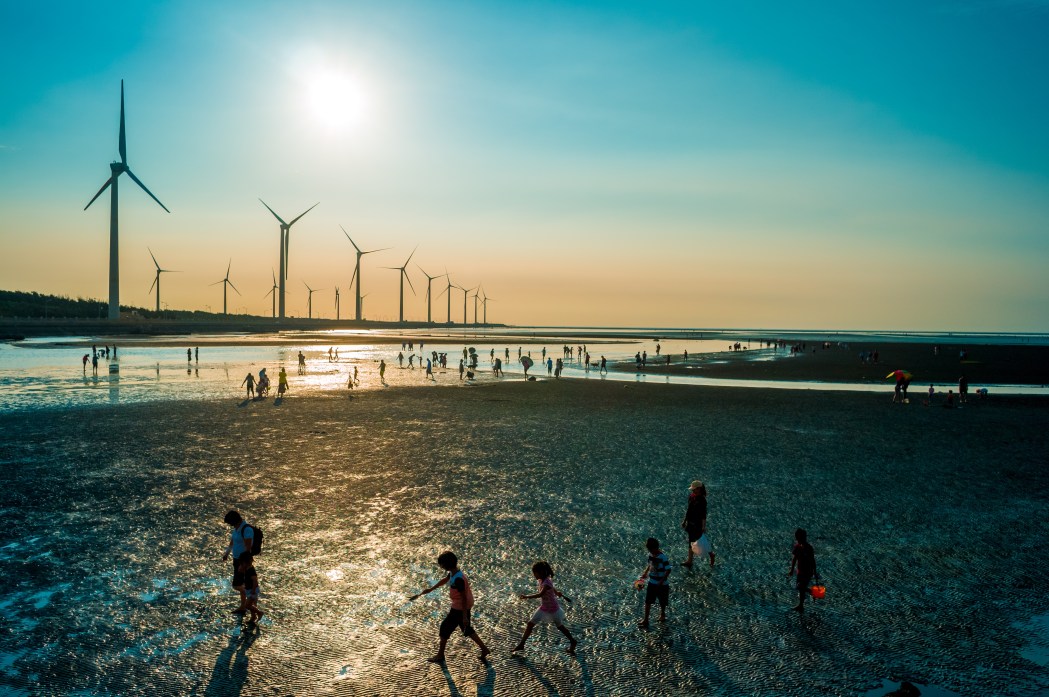
The Kalayaan 2 Wind Power Project, located in Pakil, Laguna, is a 100.8 MW onshore wind farm developed by Acciona Energía. The PHP 10.85-billion project, which broke ground in November 2024, features 17 Goldwind GW165-6.0MW turbines and is expected to be fully operational by July 2026, powering around 85,000 homes.
As the first phase of the larger 350 MW Kalayaan project, the wind farm was granted Green Lane status by the Board of Investments (BOI) in October 2023, fast-tracking its development. The project is also expected to prevent 320,000 tons of CO2 emissions annually and create 530 jobs during construction.
“For Kalayaan 2, we partnered with Goldwind, a world leader in wind turbine manufacturing,” Ignacio Domecq, Managing Director for Acciona Energía in Southeast Asia, told Power Philippines. “Goldwind turbines, particularly those designed for storm-prone environments, utilize a combination of structural reinforcement, ‘smart’ control algorithms, and advanced sensor technology to survive and even operate during typhoons.”
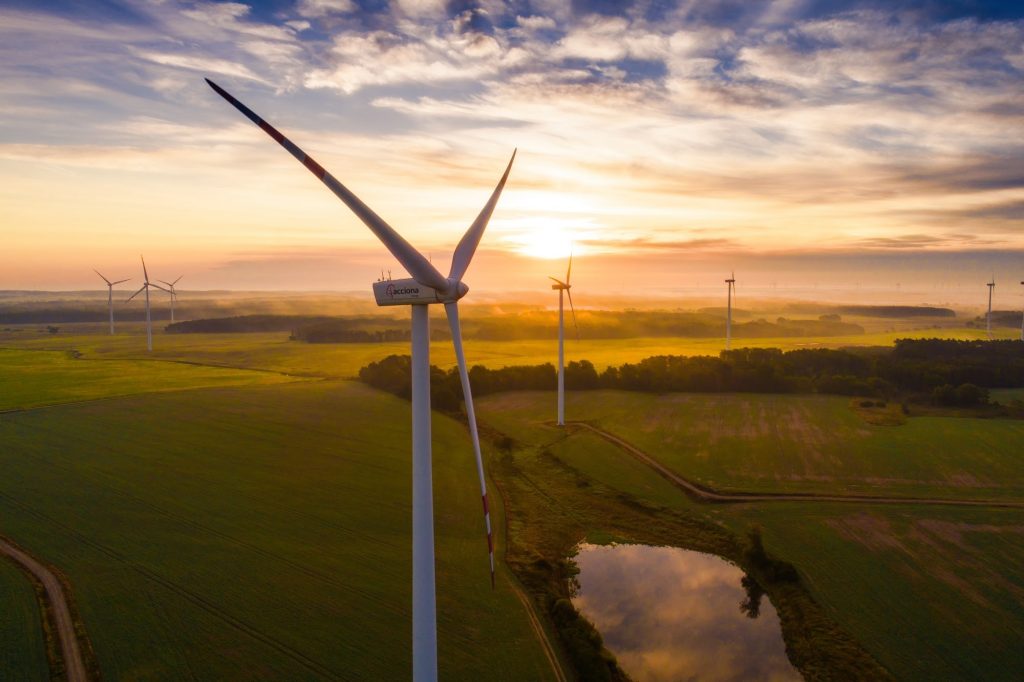
He cited a recent example: “In 2024, during Super Typhoon Yagi, with gusts reaching 230 km/h, 47 Goldwind turbines in the Xuwen project (China) not only survived, but remained operational, generating over 2 GWh of electricity during the storm while older, less-advanced models in the region suffered significant damage.”
Beyond turbine technology, Domecq assured that the project strengthens foundations, crane pads, and access roads, and incorporates a robust operations and maintenance strategy for rapid post-storm recovery.
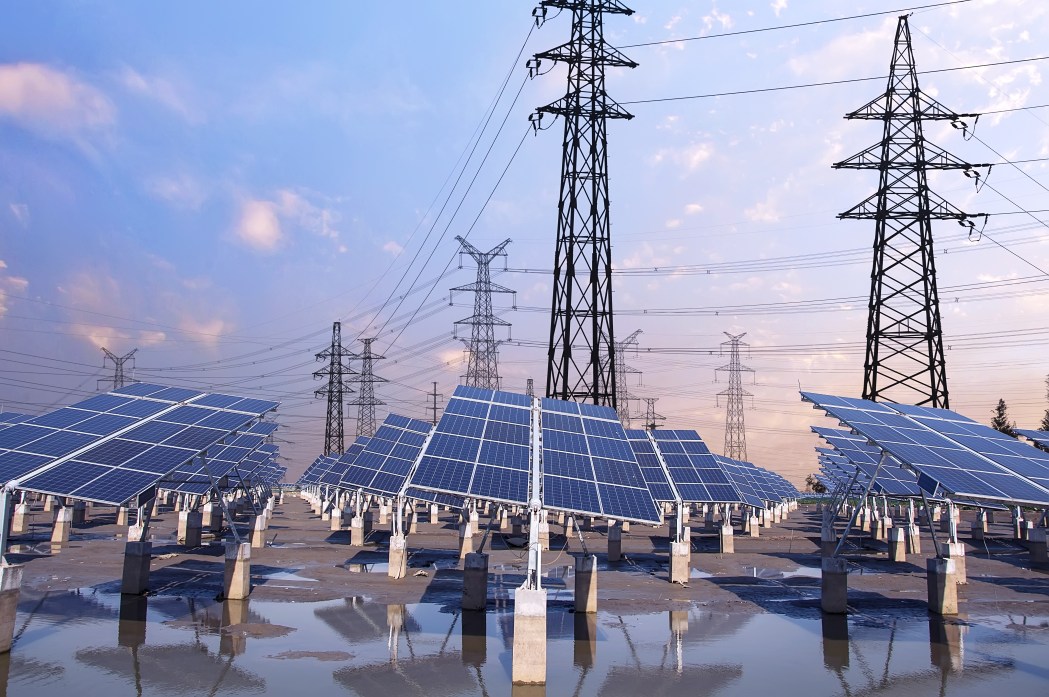
Acciona Energía is also scaling up utility-scale solar with the Daanbantayan Solar Plant in Cebu, a 176–180 MWp photovoltaic facility expected to be the largest solar project in the Visayas. The plant includes a battery energy storage system (BESS) to help stabilize the grid and represents a USD 130.43-million investment. A groundbreaking ceremony took place in March 2025, and operations are anticipated by late 2026.
The engineering, procurement, and construction (EPC) contract was awarded to PowerChina, a global leader in renewable infrastructure. The facility is expected to supply power to Cebu province through agreements with CEBECO II, supporting local energy security and reducing reliance on imported electricity from nearby islands.
“The project remains in active development, and our teams are progressing the remaining requirements so we can move forward in line with our planned schedule,” he said.
Financing for the project is moving through “standard steps,” according to Domecq, with the goal of securing a bankable, competitive structure to support timely delivery. He emphasized that Acciona Energía’s size and global leadership in renewable energy provides “advantages and flexibility while designing financing strategies.”
Acciona Energía’s GEA-4 success in November 2025 marked an important milestone, placing the company among the winning bidders in the government’s competitive renewable energy procurement mechanism.
“Securing 281 MW under GEA-4 is a strong validation of Acciona Energía’s ability to compete on price, execution capability, and project maturity in the Philippine market,” Domecq noted. Looking at the company’s 2 GW pipeline, he said the focus will be on projects with clear permitting pathways, strong resource quality, and viable grid access, aiming to convert a significant portion by 2030.
Emerging trends like hybrid wind-solar installations and battery storage systems are also shaping Acciona Energía’s growth strategy.
“The next few years will be defined by flexibility and firming, not just new megawatts. For us, the big game-changer is digitalization: forecasting, plant controls, and predictive maintenance that raise availability and reduce costs, especially in weather-exposed markets like the Philippines,” Domecq explained.
With full ownership of its Southeast Asia portfolio since August 2025, Acciona Energía is exploring longer-term opportunities beyond wind and solar.
“In the Philippines, it’s clear that offshore wind’s resource potential is significant, and we see the merits of green hydrogen as a longer-term pathway, particularly where renewables can support industrial decarbonization,” Domecq said. He said that the company will maintain discipline, advancing only opportunities with clear regulation, infrastructure readiness, and bankable demand.
Acciona’s presence in the Philippines extends beyond utility-scale projects. Through acciona.org, the company has electrified over 4,400 off-grid households since 2021, including communities in Palawan.
“Acciona measures long-term impact in practical terms: household electrification reliability, study hours for students, poverty reduction, and environmental impact reduction,” Domecq said.
Off-grid programs are designed to complement utility-scale projects, building resilience in communities without immediate grid access.
The AccionaTalent Hub is an example, providing practical, industry-aligned training for Filipino STEM graduates. Domecq described feedback as “very encouraging: participants value that the program is practical, industry-aligned, and connected to real project needs, not just classroom theory.” The initiative supports inclusive growth by creating pathways for local talent to enter the clean energy workforce.
Gender equity is embedded in Acciona’s community programs, ensuring women have meaningful participation in rural electrification and local maintenance networks. Facilitated in tandem with UNICEF and the Green Climate Fund, these programs aim to provide both economic and social empowerment.
Acciona Energía makes sure to balance rapid project execution with environmental stewardship.
“We integrate biodiversity and environmental safeguards through early site screening, impact avoidance, mitigation planning, and continuous monitoring throughout construction and operations,” Domecq explained.
Metrics for the company’s 2 GW pipeline include habitat protection measures, restoration actions, biodiversity monitoring outcomes, and emissions avoided.
“Our goal is simple: deliver projects on time while leaving a positive footprint in the ecosystems and communities where we operate.”
Acciona Energía’s Philippine strategy blends global expertise with local execution, climate-resilient technology, and socially inclusive programs. From typhoon-proof wind turbines to hybrid energy solutions and rural electrification, the company is carving a distinct role in Southeast Asia’s energy transition.
Share your thoughts. In a competitive GEAP environment, what will ultimately differentiate developers: price, technology, or execution discipline?
Follow Power Philippines on Facebook and LinkedIn or join our Viber community for more updates.