ASEAN energy crisis drives coal return—but solar seen cheaper
- April 10, 2026
- 0
Southeast Asia’s latest energy price shock is pushing utilities back toward coal, but new analysis from Zero Carbon Analytics (ZCA) indicates the shift may raise costs and weaken long-term energy security compared with renewables.
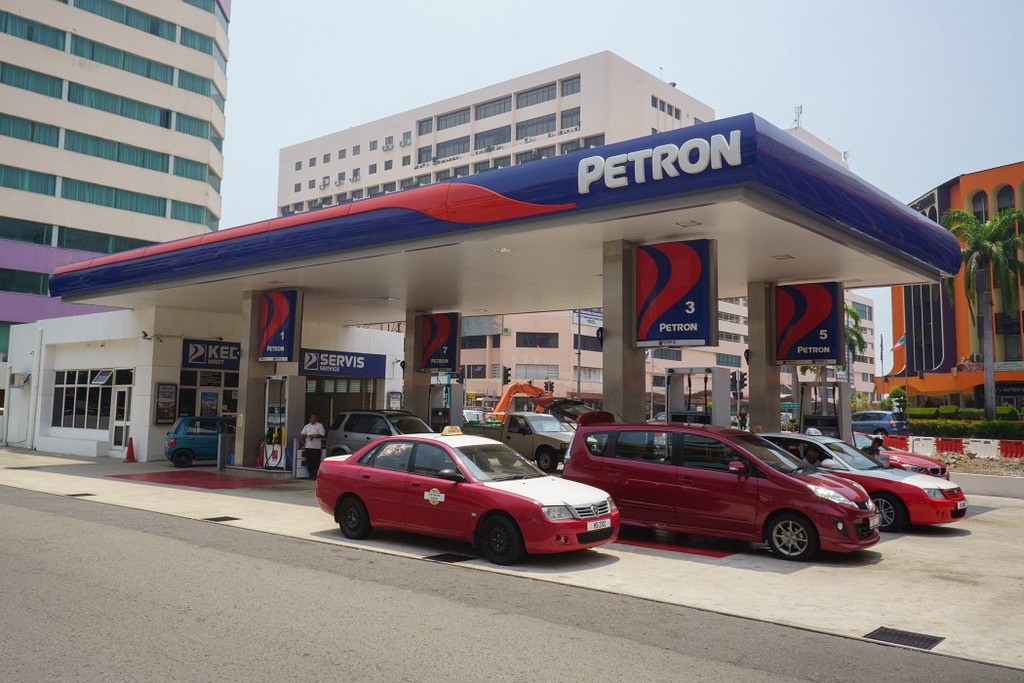
Since the outbreak of conflict involving Iran in late February 2026, global oil and gas prices have surged, triggering fuel-switching across the region. The Asia LNG benchmark (Japan-Korea Marker) jumped nearly 70% to over USD 25 per mmBtu in early March, while coal prices also climbed as demand increased, according to the analysis.
The disruption has been amplified by constraints in the Strait of Hormuz, a critical artery for global energy trade, where around 20% of oil and LNG flows pass. Asia remains the most exposed market, accounting for over 80% of shipments through the route.

For ASEAN economies, the spike marks a second major gas crisis in five years, raising questions about the region’s growing reliance on LNG. Governments have responded with emergency measures and fuel substitution. The Philippines, for instance, implemented a four-day work week and declared a national energy emergency, while other countries imposed demand-side controls.
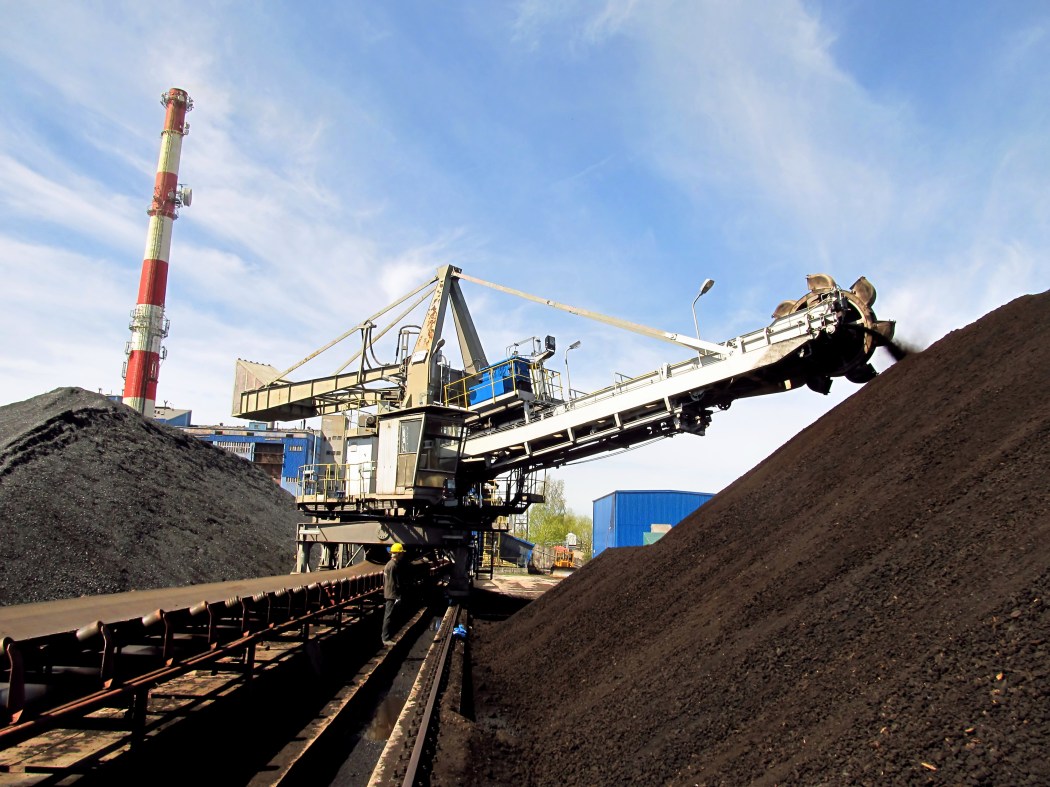
Coal has emerged as a short-term fallback. The Philippines and Thailand are among those increasing coal generation, particularly from underutilized capacity. However, the report noted that most gas-fired plants cannot readily switch to coal, limiting the scale of substitution.
More critically, the ZCA analysis highlights that coal is not insulated from global price shocks. Increased demand from gas-to-coal switching has already pushed benchmark coal prices nearly 20% above pre-crisis levels—mirroring patterns seen during the 2022 energy crisis, when prices surged to a record USD 443 per tonne in September 2023.
“Short-term switching pushes up demand, which in turn pushes up prices,” the report noted.
By contrast, renewables—particularly solar—are structurally shielded from such fluctuations, as they do not require ongoing fuel inputs.
Data cited in the report from Ember shows that in 2024, solar power was already cheaper than coal in seven of ten ASEAN countries, including the Philippines, Thailand, and Vietnam. Even in markets where coal remains cheaper on paper, such as Indonesia and Malaysia, the gap narrows when subsidies and external costs like pollution and health impacts are considered.
Forward-looking projections further strengthen the case for renewables. ZCA estimates that replacing ASEAN’s planned 45 GW expansion in gas capacity with solar paired with storage could save around USD 4 billion by 2030. In contrast, shifting that same capacity to coal would increase costs by roughly USD 3 billion compared to gas.
These findings come as ASEAN’s energy demand continues to grow, with coal consumption projected to rise 25% by 2030 despite global trends pointing toward a plateau.
The divergence reflects structural constraints, with energy systems still geared toward centralized fossil fuel generation while grid infrastructure and policy frameworks lag behind the rapid cost declines in renewable technologies.
Against this backdrop, the analysis indicates that doubling down on coal or LNG may not provide a durable solution to recurring price shocks, pointing instead to renewables and regional power integration as more cost-competitive and secure pathways.
With ASEAN facing repeated fuel price shocks, should policymakers accelerate the shift to solar and storage over coal and LNG?
Follow Power Philippines on Facebook and LinkedIn or join our Viber community for more updates.