ASEAN urged to act on energy security amid Middle East tensions
- March 18, 2026
- 0
The Philippine Chamber of Commerce and Industry (PCCI) is calling on Southeast Asian leaders to prioritize energy security as geopolitical tensions in the Middle East threaten to disrupt fuel supply chains and drive up costs across the region.
In a statement issued as the Philippines assumes the ASEAN chairmanship this year, PCCI President Perry Ferrer stressed the urgency of coordinated action, warning that rising fuel prices could ripple across economies heavily reliant on imports.
“We need to look at our energy, water, and food security now. We hope our leaders are discussing these concerns at the ASEAN Ministerial Meetings,” Ferrer said.

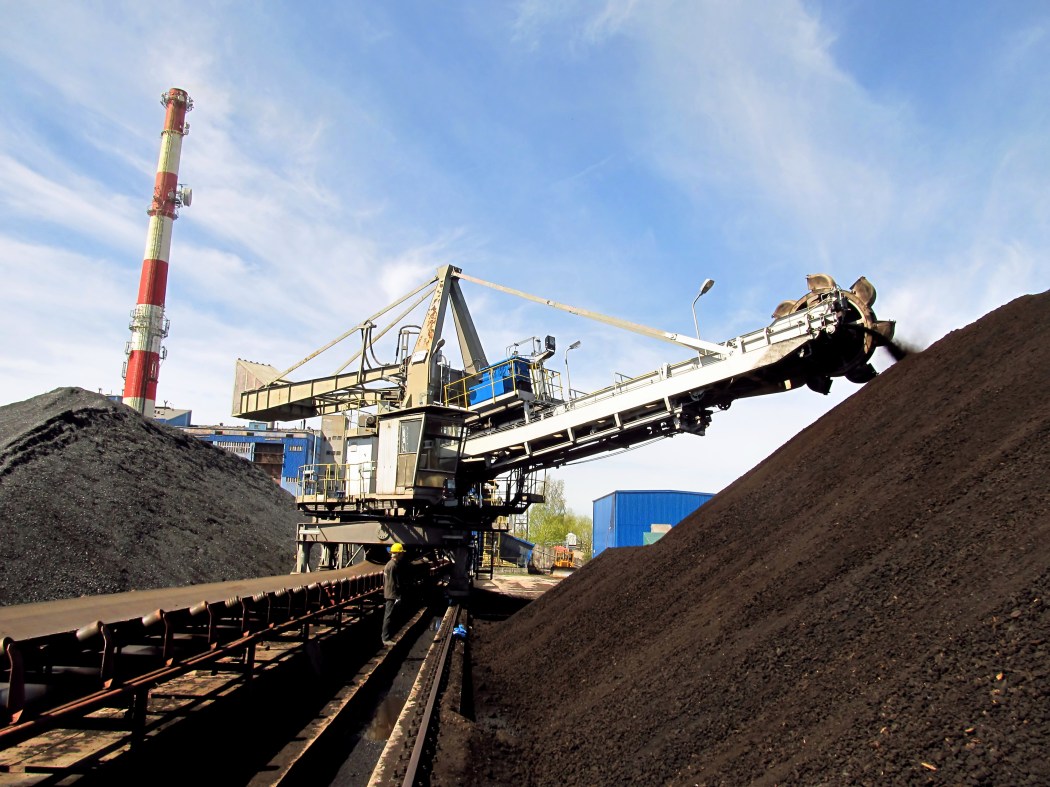
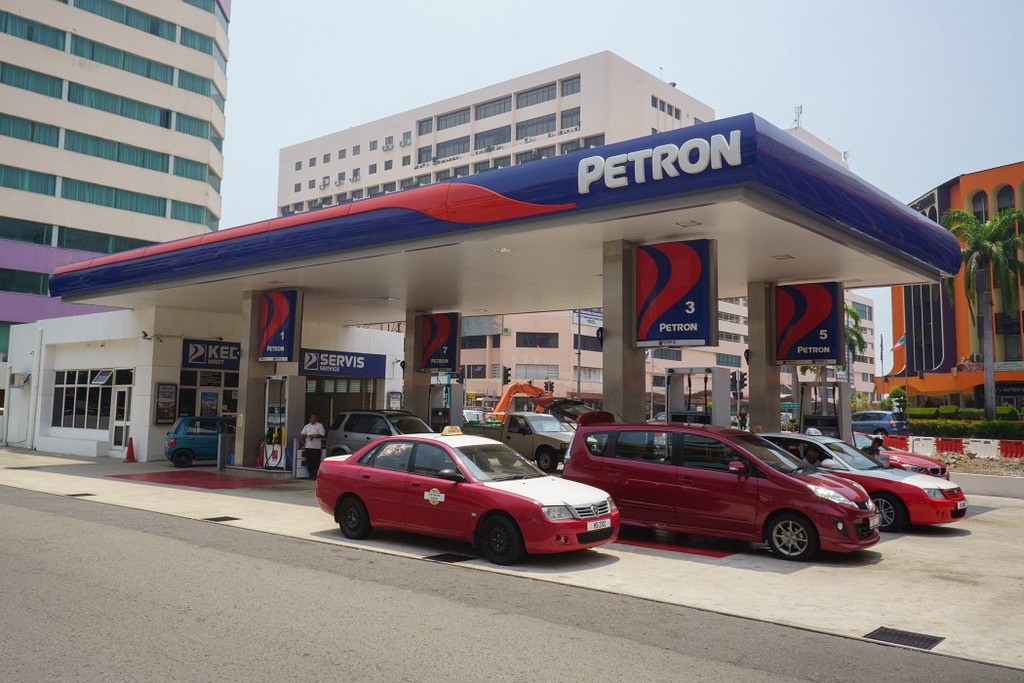
The business group flagged the Philippines’ exposure to external supply risks, noting its dependence on coal imports from Indonesia for baseload power generation and refined fuel sourced from Singapore, Malaysia, and South Korea. These supply chains, PCCI said, are vulnerable to price volatility linked to ongoing global conflicts.
Ferrer emphasized that ASEAN must move as a bloc to mitigate the economic impact of the crisis, particularly for micro, small, and medium enterprises (MSMEs), which form the backbone of the region’s economies.
“As a regional block, we should be united in addressing the crisis. There is a now that we have to deal with,” he said.
Beyond regional coordination, PCCI is also pushing for bilateral engagements with key trading partners to ensure stable fuel supply. The group said it is working with the government on targeted interventions to cushion the impact of fuel price hikes.
“We are working with the government on where they can subsidize to absorb fuel increases. It’s the fuel that triggers all these. It’s a chain reaction. With the rising fuel cost, the logistics cost also increases,” Ferrer added.
The organization has earlier urged Congress to grant emergency powers to President Ferdinand Marcos Jr. to address price shocks, while backing measures such as excise tax and VAT reductions or alternative funding mechanisms.
What concrete mechanisms should ASEAN prioritize to stabilize energy supply and shield economies from fuel price shocks?
Follow Power Philippines on Facebook and LinkedIn or join our Viber community for more updates.