Beyond power lines: inside Meralco’s push for humane animal population control
- February 9, 2026
- 0
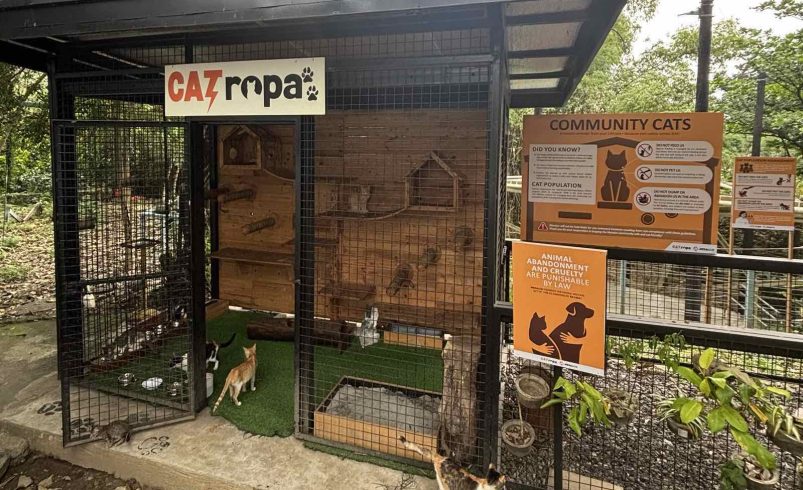
Animal overpopulation has quietly become a public safety and community issue in many parts of the Philippines. With millions of stray cats and dogs roaming urban and rural areas, concerns now extend beyond animal welfare to include public health risks such as rabies and safety challenges in shared spaces.
In highly urbanized areas, rapid development has left little room for community animals to thrive safely. Cats, in particular, reproduce quickly when unmanaged, creating population pressures that affect neighborhoods, workplaces, and public facilities alike. Addressing the issue requires solutions that are humane, sustainable, and grounded in everyday realities.
When the issue appears at work

For Manila Electric Company (Meralco), the challenge became visible within its own spaces. As community cats began appearing in its Pasig headquarters, what started as a small, localized concern evolved into a broader conversation about responsibility, safety, and coexistence.
Rather than treating the situation as a temporary nuisance, the company began looking for ways to manage it responsibly—recognizing that community animals are often a reflection of wider urban challenges.
CATropa and the idea of coexistence
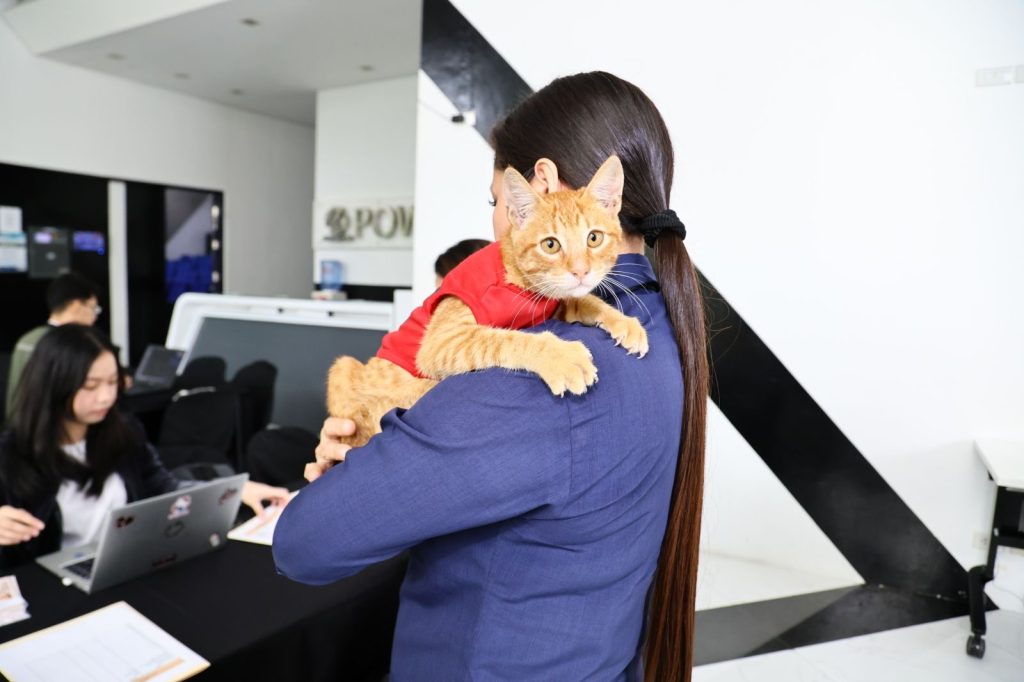
This led to the creation of CATropa, an internal animal welfare initiative rooted in the belief that people and community animals can safely coexist when proper systems are in place. Instead of removing animals from the area, the program focuses on managing populations responsibly.
The approach acknowledges that displacement often leads to new animals taking their place, while long-term management offers more sustainable outcomes for both people and animals.
Why TNVR matters
Central to this approach is Trap-Neuter-Vaccinate-Release (TNVR), a method widely recognized by animal welfare advocates as the most humane way to manage community and feral cat populations.
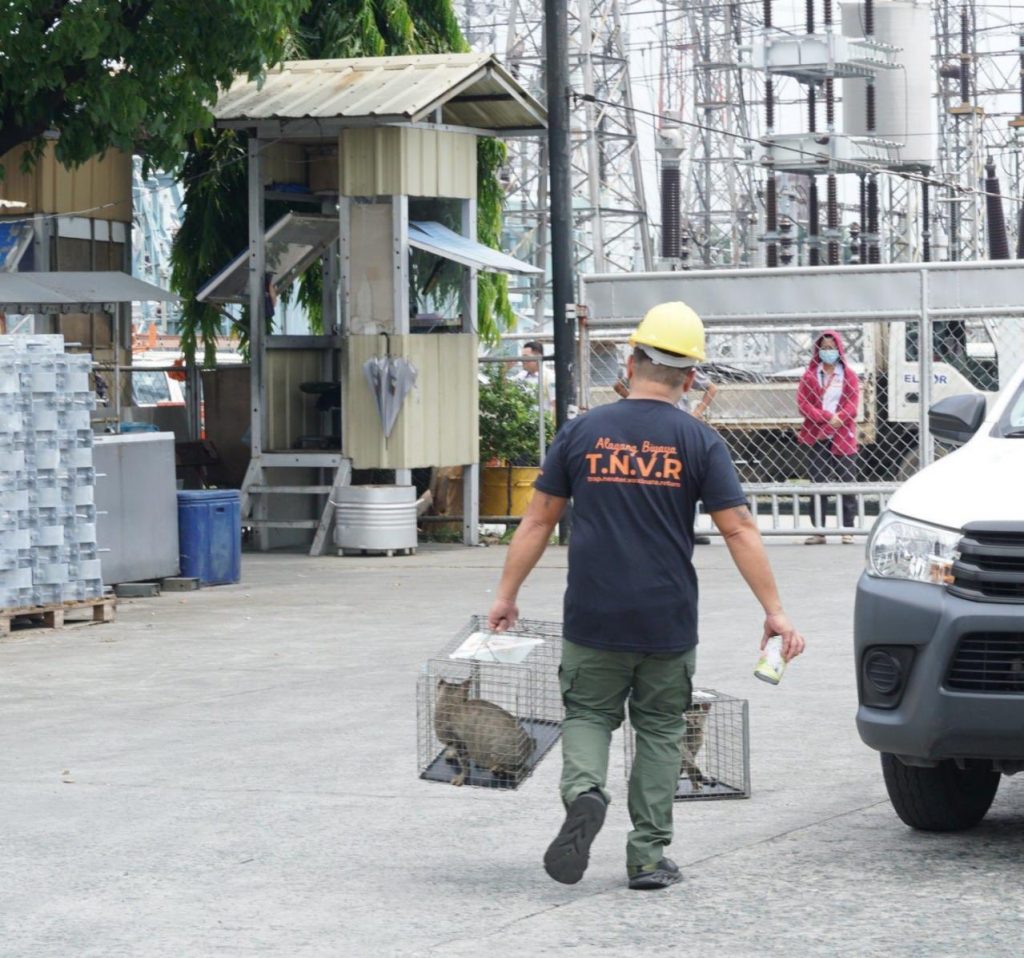
TNVR works by humanely trapping cats, spaying or neutering them, vaccinating them against rabies, and returning them to their original territories. By interrupting the breeding cycle, the method helps stabilize populations, improve animal health, reduce aggressive behavior, and lower the risk of disease transmission.
Bringing TNVR into practice
Meralco began implementing TNVR within its facilities in 2024, working with animal welfare partner Biyaya Animal Care. From its initial rollout at the company’s main compound, the program expanded to multiple operating sectors across Meralco’s franchise area.
An important aspect of the effort was returning cats to their original locations after the procedures. Advocates note that this prevents the “vacuum effect,” where new, unneutered animals move in and repopulate the area, undermining long-term progress.
Safety and compassion in shared spaces
Managing community animals within active facilities also required practical safety measures. With high-risk equipment and daily operations to consider, Meralco introduced catios—secure outdoor enclosures—and identified animal-friendly zones within its properties.
These measures helped reduce risks to employees while ensuring that community animals remained in safe, designated spaces, showing that operational safety and animal welfare do not have to be mutually exclusive.
Taking the advocacy beyond company walls
The initiative eventually extended beyond Meralco’s own properties. Through the Spay It Forward campaign, the company partnered with local government units, veterinary offices, and private organizations to bring free spaying, neutering, and anti-rabies vaccination services to communities with limited access to pet care.
One campaign was held in Pateros, the only municipality in Metro Manila without its own veterinary office, where more than 120 dogs and cats received free veterinary services.
Community impact in Laiya
The following year, a larger initiative was mounted in Laiya, San Juan, Batangas, after concerns were raised by residents and resort operators about the growing number of community animals in the area.
Held over two days in November 2025, the campaign provided free spaying, neutering, and vaccinations to 250 cats and dogs from nearby barangays. Supported by local government and private partners, the effort highlighted how animal welfare, public safety, and tourism concerns can intersect at the community level.
Collaboration as a long-term solution
Beyond direct services, training sessions were conducted to help build local veterinary capacity, reinforcing the idea that sustainable animal population management depends on collaboration among institutions, professionals, and communities.
Since its launch, CATropa’s Mission PAW-ssible has benefited more than 670 cats and dogs within and beyond Meralco’s service areas.
Looking ahead
Caring for community animals goes beyond compassion. When managed responsibly and consistently, animal welfare initiatives can contribute to safer workplaces, healthier communities, and shared spaces where people and animals coexist with fewer risks and greater understanding.
Follow Power Philippines on Facebook and LinkedIn or join our Viber community for more updates.