Cagayan de Oro advances renewable energy planning through multistakeholder workshop
- May 12, 2026
- 0
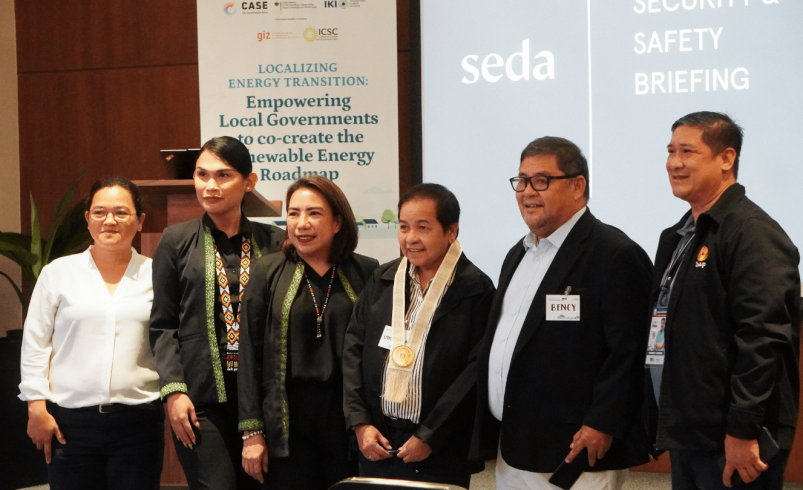
The Cagayan de Oro City government and the Institute for Climate and Sustainable Cities (ICSC) held a three-day workshop to revisit and strengthen the city’s Renewable Energy (RE) Plan and Roadmap as part of efforts to improve energy resilience and accelerate the transition to cleaner energy sources.
Held from May 5 to 7, the workshop reviewed and validated the city’s 2024 Draft Local Energy Plan using an Integrated Resource Planning (IRP) approach. The process included assessing local energy systems, identifying gaps, prioritizing interventions, and exploring renewable energy investments and financing opportunities.
“As a growing and dynamic city, we recognize that our future depends on how we respond to the challenges of energy security, climate change, and sustainable development,” Cagayan de Oro City Mayor Rolando “Klarex” Uy said.

“Through this initiative, we take a decisive step toward a cleaner, more resilient, and more inclusive energy future,” he added.
The workshop also highlighted the city’s renewable energy potential, including the planned 40-megawatt San Isidro run-of-river hydropower plant and the proposed rehabilitation of the Agus-Pulangi Hydropower Complex, which has an installed capacity of 1,000 MW and serves as Mindanao’s largest renewable energy source.
ICSC also noted that Cagayan de Oro has strong rooftop solar potential, particularly in dense coastal urban areas that receive high solar irradiance.
Despite these opportunities, Northern Mindanao continues to experience high electricity costs. This reinforces the need to transition toward cleaner and potentially cheaper energy sources as Mindanao works toward a 50:50 renewable energy mix by 2030.
Department of Energy Undersecretary Mylene Capongcol emphasized the importance of locally driven energy planning and community resilience.
“As the local government unit, you should lead your community’s energy resilience,” Capongcol said.
“And with your [local energy] plan, we will be able to ensure that even with increasing fuel prices, we still have indigenous resources, so we don’t need imported fuel because we have local supply,” she added.
The workshop gathered representatives from local government offices, electric cooperatives, distribution utilities, civil society organizations, academe, financial institutions, and the private sector.
Representatives from the Development Bank of the Philippines and Land Bank of the Philippines also presented financing programs that could support future renewable energy projects in the city.
ICSC said the workshop marks the first phase of Cagayan de Oro’s renewable energy planning process, with additional local energy planning sessions scheduled in Eastern Samar and Paranas, Samar later this month.
As electricity costs continue to challenge communities across Mindanao, should more local governments develop their own renewable energy roadmaps and resilience plans?
Follow Power Philippines on Facebook and LinkedIn or join our Viber community for more updates.