Dagooc says SAGR adjustment violates spirit of EPIRA funding rules
- January 31, 2026
- 0
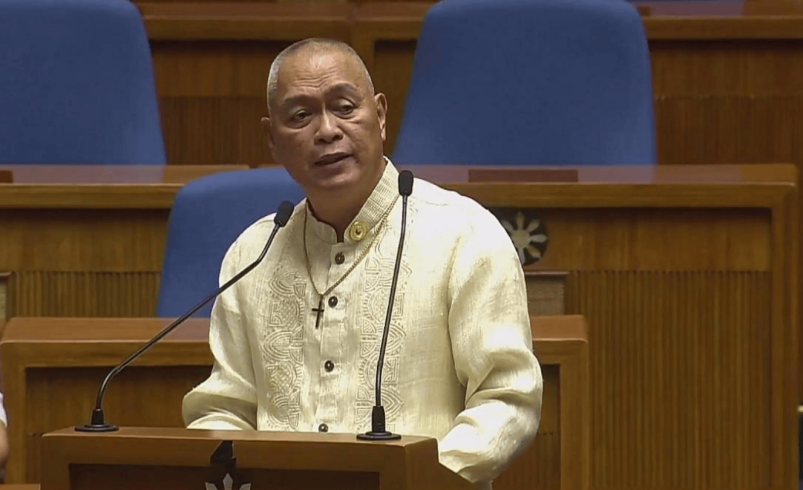
House Deputy Minority Leader and APEC Party-list Rep. Sergio C. Dagooc said that the Power Bloc’s opposition to the proposed increase in the Subsidized Approved Generation Rate (SAGR) is not a rejection of the mechanism itself, but a warning against shifting higher electricity costs directly onto already vulnerable consumers in missionary electrification areas.
The issue stems from a recent move by the Energy Regulatory Commission (ERC) to adjust SAGR, a rate used to determine how much power generators are paid in off-grid and island communities that are not connected to the main transmission grid. Lawmakers opposing the adjustment warned that the change could translate into harsh electric bill increases in these areas, prompting calls to delay its implementation until further review.
In an interview with Power Philippines, Dagooc said lawmakers are objecting to how the adjustment is being applied, rather than the concept of SAGR itself. “We do not oppose the SAGR on a minimal amount and on the basis of justifiable cost,” he explained, stressing that the concern lies in where the costs are sourced from.

Dagooc said households—not electric cooperatives—will bear the brunt of the increase. Under the Electric Power Industry Reform Act (EPIRA), generation charges are pass-through costs that utilities are not allowed to absorb. “The electric cooperative here is just a collector. It is the consumers who will be burdened by this increase,” he said.
He added that generation costs appear at the top portion of electricity bills because they reflect the direct cost of purchasing power from generators. “We are talking here of the generation component… that is a pass-on charge,” Dagooc said, noting that any approved increase is automatically passed on to end-users.
At the center of the dispute, Dagooc said, is the decision to recover costs through higher SAGR instead of an increase in the Universal Charge for Missionary Electrification (UCME). UCME is a fee collected from all electricity consumers nationwide to subsidize power generation in off-grid and island areas. “Malinaw po na the source of funds in the missionary electrification is the Universal Charge on Missionary Electrification, UCME,” he said.
Dagooc argued that neither EPIRA nor its implementing rules allow missionary electrification costs to be sourced from higher SAGR charges imposed on specific communities. “Wala pong sinabi sa Section 70 ng EPIRA and its IRR na doon natin kukunin sa SAGR,” he said.
He explained that funding missionary electrification through UCME spreads the cost thinly across millions of consumers, resulting in only centavo-level impacts. “Kapag sa UCME natin kukunin, eh centavo lang yan… pero pagka pinasa mo doon sa actual consumers… piso-piso na yan,” he said.
According to Dagooc, this structure was deliberately written into the law to avoid constitutional issues. “That Section 70 was there to address that unconstitutionality,” he said, referring to potential violations of the Equal Protection Clause if off-grid consumers are forced to pay significantly higher power rates.
He compared electricity prices in island provinces and on-grid areas to illustrate the disparity. “Pareho mga Pilipino itong nakatira dito. Bakit 30 pesos ito, tapos dito 11 pesos lang?” Dagooc said. “You are now violating the Equal Protection Clause of our Constitution.”
Dagooc warned of broader economic consequences if higher rates are imposed on missionary areas. “Yung mga small businesses, doon mapupunta yung kita nila sa pambayad ng kuryente,” he said, adding that businesses may be forced to reduce their workforce. “Kung may lima o pito silang tao, baka tatlo na lang ang itira nila.”
Tourism-dependent provinces could be hit hard, he warned, as higher electricity costs discourage investment and slow business activity, which leads to job losses and lower tax collections.
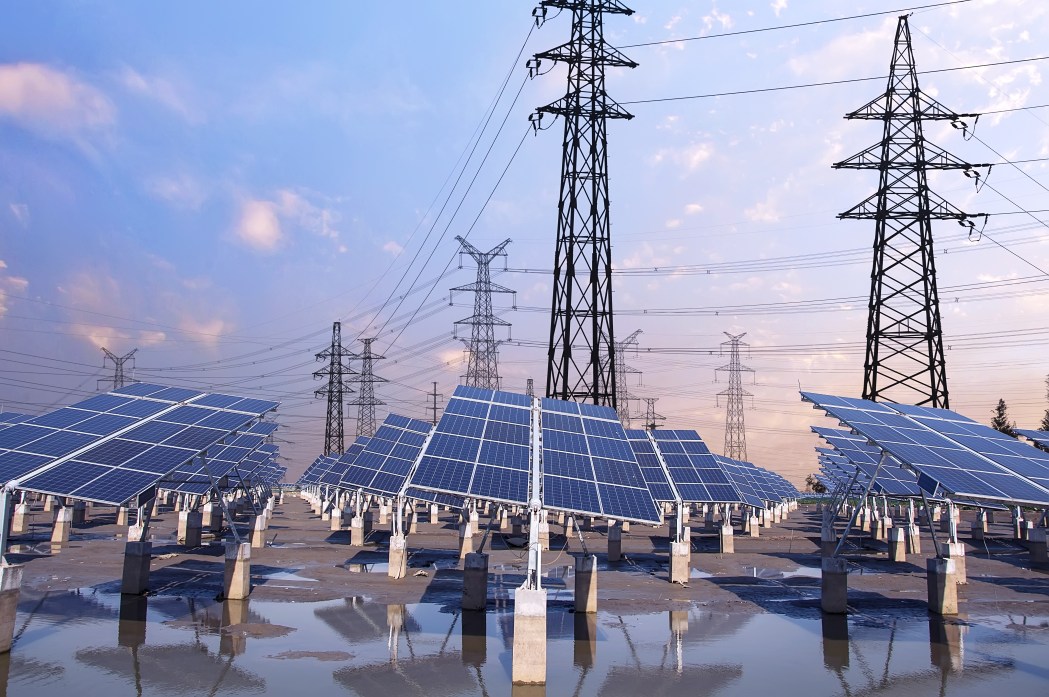
As an alternative, Dagooc pointed to the hybridization of power plants operated by the National Power Corporation’s Small Power Utilities Group (NPC-SPUG). He said integrating solar generation into existing diesel facilities could significantly cut fuel use and operating hours. “Instead na taon-taon magpa-bidding ng diesel gensets… i-hybridize na lang ng solar,” he said.
Reducing fuel consumption, he added, would eventually lower subsidy requirements. “Bababa sana yung universal charge, or yung subsidy, annually,” Dagooc said, noting that funding for such upgrades is already provided under the national budget.
Dagooc said Congress is prepared to exercise its oversight powers if the adjustment proceeds in a way that contradicts the law. “Congress have oversight kaya nag-file kami ng resolution,” he said, emphasizing that regulatory agencies cannot amend EPIRA through rate-setting decisions. “Only Congress can amend Section 70.”
Asked about his message to regulators, Dagooc kept it simple. “Very simple lang. Follow the law,” he said.
If the debate over SAGR ultimately comes down to who should shoulder the cost of powering off-grid communities, should the burden be spread nationally through centavo-level charges—or concentrated on island households already paying some of the country’s highest electricity rates?
Follow Power Philippines on Facebook and LinkedIn or join our Viber community for more updates.