DOE allows temporary use of Euro II fuel to secure supply
- March 23, 2026
- 0
The Department of Energy (DOE) has temporarily allowed the use of the dirtier and more polluting Euro II fuel for select sectors, as it moves to secure the country’s fuel supply amidst ongoing volatility in the global fuel market.
The initiative, brought about under Department Circular No. DC2026-03-0010, authorizes the controlled and limited introduction of Euro II petroleum products into the market as a contingency measure to help maintain a continuous, adequate, and accessible fuel supply.
While the policy allows flexibility for affected sectors, the DOE maintained that Euro IV standards will still remain in force, with the temporary measure positioned as a targeted response to external pressures on fuel availability.

The decision comes as global oil markets continue to experience volatility, particularly due to developments in the Middle East that have strained supply chains and heightened risks of fuel shortages.
“We are adopting a prudent and temporary measure to help ensure an adequate and accessible fuel supply for sectors that may require limited flexibility during this period,” said Energy Secretary Sharon S. Garin. “This interim authority is subject to strict quality controls, clear notification requirements, and appropriate consumer protection measures. Our objective is to uphold fuel supply security while remaining guided by safety, regulatory discipline, and the broader public interest.”
Under the circular, the use of Euro II fuel is limited to specific sectors. These include vehicles manufactured in 2015 and earlier, traditional jeepneys, industrial applications such as power plants and generators, as well as the marine and shipping industry.
To prevent heavy misuse of the product, the DOE requires downstream oil industry participants to maintain full segregation between Euro II and Euro IV fuels across storage, transport, and retail systems. Companies intending to offer Euro II products must also notify the DOE and identify the retail outlets where these fuels will be available.
The agency said compliance will be enforced through random product sampling and testing across downstream facilities. The agency warned that fuel adulteration and other violations will be subject to penalties under existing laws and regulations.
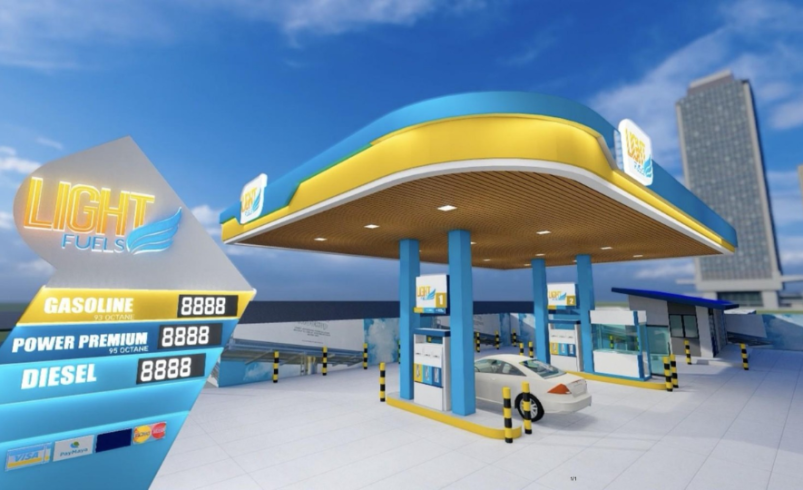
To safeguard consumers, fuel stations offering Euro II products are required to post clear and prominent advisories indicating the fuel’s specifications, alongside guidance for motorists to verify vehicle compatibility before use.
The DOE said the measure was adopted following consultations with the oil and automotive industries from March 16 to 18.
The agency added that it will continue to monitor global market developments and implement further measures, when necessary, to protect fuel supply, maintain market stability, and safeguard the public interest.
As the country navigates tightening global fuel conditions, does this temporary shift strike the right balance between ensuring supply and protecting environmental standards?
Follow Power Philippines on Facebook and LinkedIn or join our Viber community for more updates.