DOE announces 25 GW renewable auction pipeline through 2035
- February 13, 2026
- 0
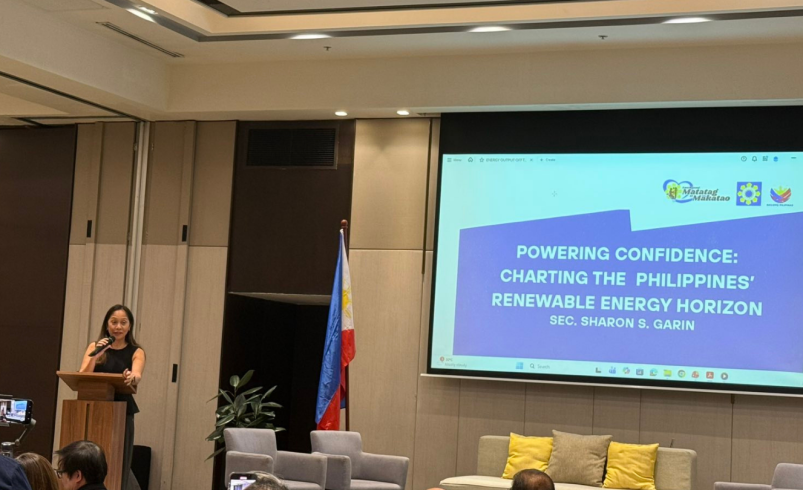
The Department of Energy (DOE) has showcased a 10-year Green Energy Auction (GEA) plan that will offer at least 25 gigawatts (GW) of additional renewable energy capacity through annual competitive auctions, with project deliveries targeted from 2027 all the way to 2035.
The DOE said the expanded auction pipeline is intended to strengthen long-term power supply reliability and support national targets- 35% renewable energy share by 2030 and 50% by 2040.
The planned pipeline was presented by DOE–Renewable Energy Management Bureau Director Marissa P. Cerezo during the Renewable Energy Investment Forum held on February 13 at Seda Bonifacio Global City. It is here where the DOE outlined upcoming technologies to be offered under GEA-6 to GEA-9.
For the 2027–2028 delivery period, the DOE targets at least 3,200 megawatts (MW) of solar capacity – excluding floating solar – across Luzon, Visayas, and Mindanao, as well as 85 MW of rooftop solar in Visayas and Mindanao. The DOE said additional capacities, of around 5565 MW, are targeted for delivery from 2028 to 2035 under succeeding auction rounds.
For the upcoming rounds, GEA-6 will auction onshore wind and floating solar and GEA-7 will cover rooftop solar and solar paired with battery energy storage systems (BESS), the latter of which happens in collaboration with the Mindanao Development Authority. GEA-8 will include solar on stilts as a joint effort with the Department of Agriculture, AgriSolar with the Department of Agrarian Reform, and canal-top solar with the National Irrigation Administration. GEA-9 will then cover biomass, geothermal, solar, hydropower, and onshore wind.
“By preparing a clear, auction-backed pipeline, we are giving developers and financial institutions the market visibility they need to plan, mobilize capital, and deliver projects on schedule,” DOE Secretary Sharon S. Garin said. “Our objective is simple: translate investor interest into reliable, affordable, and cleaner power that Filipinos can feel through projects that are real, buildable, and delivered on time.”
The DOE also launched the Renewable Energy Offtake in the Philippines guide at the same forum, describing it as a reference for investors and developers navigating available offtake mechanisms and incentives.
“As the Philippines accelerates toward its targets of 35% renewable energy share by 2030 and 50% by 2040, clarity in how power is sold, priced, and monetized becomes just as critical as how it is generated,” Secretary Garin concluded.
With at least 25 GW positioned for auction-backed delivery through 2035, how quickly can the pipeline translate into completed projects that materially expand the country’s renewable supply?
Follow Power Philippines on Facebook and LinkedIn or join our Viber community for more updates.