DOE breaks ground for first Energy Museum in Taguig
- February 13, 2026
- 0
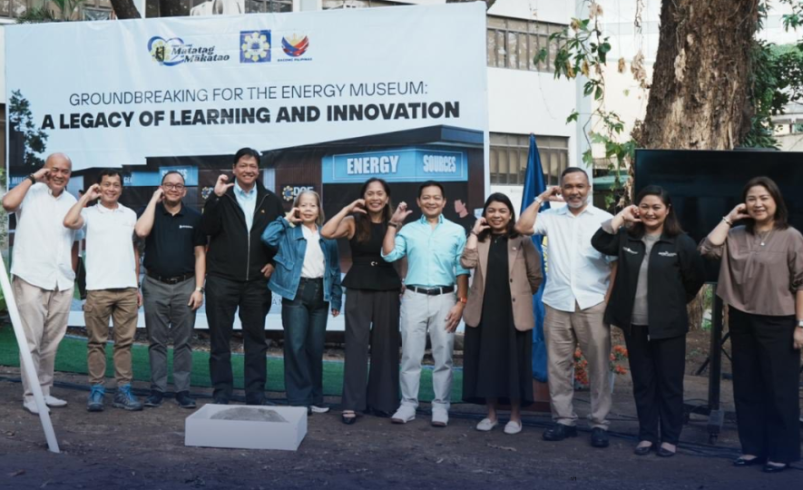
Photo credit: DOE
The Department of Energy (DOE) has broken ground on what it calls the country’s first-ever Energy Museum, a 1,164-square-meter education facility aimed at improving public understanding of the Philippine power sector.
The groundbreaking ceremony was held on February 13 at the DOE Energy Center in Taguig City, led by Energy Secretary Sharon S. Garin and attended by industry and institutional partners that will contribute exhibits and modular learning pods to the project. Construction is set to begin immediately, with the opening targeted for May this year.
The museum is designed to translate complex sector issues, from generation to end-use, into hands-on and accessible learning experiences. Exhibits will cover the history of energy development in the Philippines, the structure of the country’s evolving power system, and the realities of delivering reliable and affordable electricity across an archipelago.

“Now more than ever, we need an informed public about energy,” Garin said. “This museum will make energy easy to understand for every Filipino. It will show the journey of electricity from source to socket and help learners and communities see how everyday choices on efficiency and safety contribute to a stronger energy future. We want this to be a launchpad for education, curiosity, and innovation.”
The facility will feature interactive displays, virtual learning content, and Science, Technology, Engineering, and Mathematics (STEM) career workshops. Programs will cater to K–12 students, universities, educators, and the general public, including initiatives aimed at encouraging greater participation of girls in science-related fields.
Located near schools and learning institutions in Taguig, the museum is also expected to serve as a venue for sector engagement, potentially offering stakeholders a platform to contextualize ongoing reforms, grid modernization efforts, and energy transition initiatives for a broader audience.
The DOE said the exhibit pods will be constructed using environmentally friendly materials such as recycled composites, natural fibers, and low-VOC paints, and will follow energy-efficient and sustainable building principles. The facility itself will integrate sustainability features and flexible exhibit designs to allow updates as technologies and policies evolve.
To strengthen its development framework, the DOE is collaborating with the National Museum of the Philippines and the Philippine Foundation for Science and Technology. The agency said it is also benchmarking against established museum practices in interpretive design, accessibility, educator integration, and learning-impact measurement.
DOE said it also plans to roll out regular updates, virtual access options, and sustained partnerships with industry and academia to keep the museum relevant, with the aim to expand outreach to underserved communities and position the facility as a model for accessible energy learning in the region
“Energy is the lifeblood of our nation, and when every Filipino understands how electricity flows from our resources to the grid and into our communities, we turn knowledge into confidence and curiosity into capability,” Garin added. “This museum will be where our energy story is learned, shared, and advanced for generations.”
What impact could a dedicated energy education hub have on public support for reforms and long-term energy planning? Join the discussion.
Follow Power Philippines on Facebook and LinkedIn or join our Viber community for more updates.