DOE chief says cutting fuel excise tax could offer only limited relief
- March 12, 2026
- 0
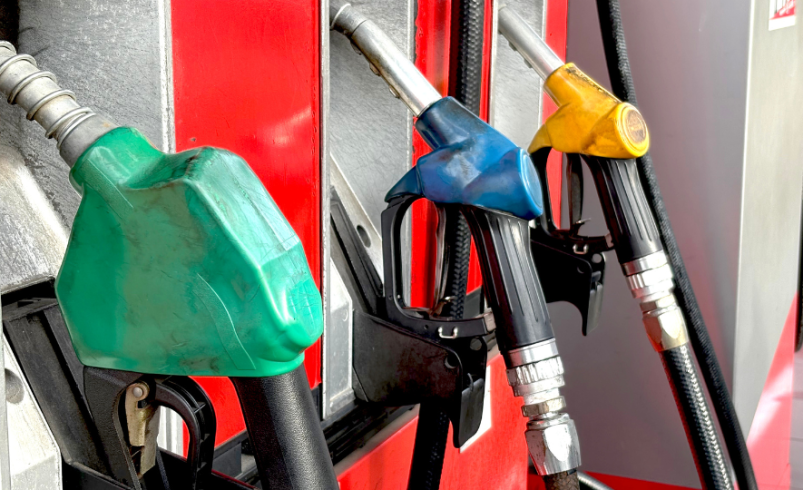
The Department of Energy (DOE) said suspending or reducing the excise tax on fuel could provide only limited relief to consumers amid rising global oil prices, as the government weighs emergency powers that would allow President Ferdinand Marcos Jr. to adjust the levy.
Speaking in an interview on People’s Television Network on March 12, DOE Undersecretary Sharon Garin said the excise tax component of pump prices is relatively small compared with the scale of recent global price increases.
“Ang excise tax kasi, halimbawa sa diesel lang, is PHP 6 already. Hindi yan ganon kalaki compared sa increase ng fuel price natin. Pero tulong na rin yan,” she said. (“The excise tax, for example on diesel, is already PHP 6. That is not that large compared to the increase in our fuel prices. But it still helps.”)

President Marcos today certified as urgent House Bill No. 8418, a measure that would grant him executive powers to suspend or reduce fuel excise tax, as a measure to address fuel price uncertainties amid ongoing conflicts in the Middle East. The proposed emergency authority would allow the president to temporarily reduce the fuel excise tax if global crude prices reach a certain threshold. Garin said the government is currently seeing oil prices approach that trigger point.
“Kailangan yan mataas talaga yung presyo ng langis. It has to be USD 80 per barrel. Usually yan mga USD 60 lang. So ngayon, pumapatak na tayo sa USD 80 per barrel,” the Energy chief said. (“Oil prices really need to be high. It has to be USD 80 dollars per barrel. Usually it’s around USD 60, but now we are approaching 80 dollars per barrel.”)
Even then, the DOE said any tax reduction may not necessarily remove the entire levy, as the fiscal impact on government revenues would be substantial.
Garin noted that a full suspension of the excise tax could significantly affect government finances.
“Ito po is just a temporary relief kasi kung buo po yan mga halos 300 billion din ang mawawala sa collection ng gobyerno and affected ang buong bansa,” she said. (This is only temporary relief because if it [excise tax] is fully removed, nearly PHP 300 billion would be lost from government collections and the entire country would be affected.”)
The DOE added that discussions are ongoing with Congress on the measure, while other support mechanisms such as targeted subsidies for affected sectors are also being prepared by agencies including the Department of Social Welfare and Development and the Department of Transportation.
At the same time, the government is continuing to monitor domestic fuel supply and market conditions as tensions in the Middle East keep global oil markets volatile.
Garin said the country currently has around 50 days of fuel inventory, including shipments already on the way, while authorities are also coordinating with suppliers worldwide to secure additional deliveries if needed.
“We have about 50 days… so sapat sya. Kinakausap na namin yung mga oil companies… to make sure na umoorder na sila,” she tells PTV4. (“We have about 50 days, so that is sufficient, and because of the problems happening now we have spoken with the oil companies to make sure they are already placing new orders.”)
Despite stable supply, the DOE warned that price volatility will likely continue in the coming weeks.
“Ang sigurado ko lang dyan ay may increase talaga tayo for next week. Di kumakalma yung merkado e.” (“What I’m sure of is that there will definitely be an increase next week. The market is not calming down.”)
Meanwhile, Garin clarified that the DOE does not yet support suspending the value-added tax (VAT) on petroleum products, noting that the proposal needs further study by the Department of Finance due to its potential fiscal impact.
“Kung pati VAT ang ibabawas natin hindi lang po mga PHP 270 billion kundi PHP 300 billion ang mawawala sa collection ng gobyerno,” Garin said. (“If VAT is also removed, not just about 270 billion but around 300 billion would be lost from government collections.”)
For now, the agency said the focus remains on monitoring the market, enforcing rules against hoarding and profiteering, and ensuring that supply remains adequate even as prices fluctuate.
What do you think: should the government move quickly to suspend fuel excise taxes if oil prices continue to rise? Share your insights on how this could affect the Philippine energy sector and consumers.
Follow Power Philippines on Facebook and LinkedIn or join our Viber community for more updates.