DOE Fuel Eco-Run results show EVs, hybrids outpace gas, diesel in real-world efficiency test
- January 9, 2026
- 0
The Department of Energy (DOE) has released the official results of its 2025 Fuel Eco-Run (FER), showing battery electric vehicles (BEVs), plug-in hybrids, and full hybrids significantly outperforming conventional gasoline and diesel models in real-world fuel efficiency along a major Luzon expressway corridor.
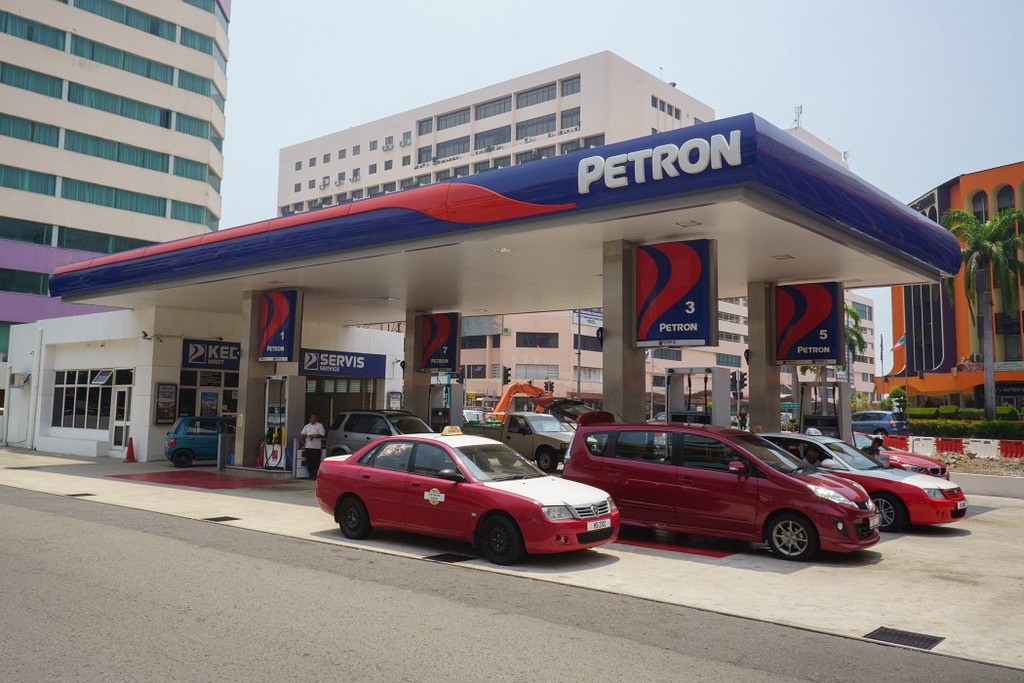
The eco-run, conducted on September 24, 2025, covered an average distance of 154.5 kilometers along the Tarlac–Pangasinan–La Union Expressway (TPLEX), with vehicles starting from a Petron service station at Km 134. Results were measured in kilometers per liter gasoline equivalent (km/Lge), allowing comparison across internal combustion engine vehicles (ICEVs), hybrids, and electric vehicles.
BEVs dominated the top efficiency results. Among the highest performers were the Tesla Model 3 Rear-Wheel Drive at 92.81 km/Lge, the MINI Cooper Aceman SE at 91.51 km/Lge, and the Tesla Model Y Rear-Wheel Drive at 84.63 km/Lge. Other strong BEV results included the JMEV EV3 330 M1 at 75.28 km/Lge, Volvo EX30 Ultra at 76.21 km/Lge, and MG MG4 Lux at 71.03 km/Lge.

Hybrid and plug-in hybrid electric vehicles (HEVs and PHEVs) also posted markedly higher efficiency figures compared with conventional models. Notable results included the Chery Tiggo Rev C-DM PHEV at 84.28 km/Lge, Lynk & Co 01 PHEV at 58.06 km/Lge, Volvo XC60 T8 Ultra PHEV at 52.19 km/Lge, and several full hybrids from Honda, Toyota, Lexus, MG, and Nissan recording results in the 21–30 km/Lge range.
In contrast, most gasoline-powered ICEVs recorded fuel economy results between the mid-teens and mid-20s km/Lge, while diesel-powered utility vehicles and pickups generally fell in the 13–20 km/Lge range. Popular diesel pickup and SUV models posted results ranging from about 13.6 km/Lge to just over 20 km/Lge, underscoring the widening efficiency gap between conventional powertrains and electrified alternatives under real driving conditions.
The DOE emphasized that the eco-run results were generated under real-world driving conditions and are distinct from laboratory-based tests used under the Vehicle Fuel Economy Labeling Program (VFELP). The agency clarified that the data “shall not affect the current or any future transactions/applications under the VFELP System particularly the vehicle registration, and issuance of fuel economy label and sticker,” noting that VFELP relies on internationally recognized testing methodologies conducted in controlled environments.
As the Philippines continues to refine its transport energy transition strategies, how should regulators, utilities, and industry players interpret these real-world efficiency gains—and what role should they play in shaping incentives, infrastructure planning, and consumer information going forward?
Follow Power Philippines on Facebook and LinkedIn or join our Viber community for more updates.