ERC clears grid connection for Batangas agrivoltaic solar project under CREC
- March 30, 2026
- 0
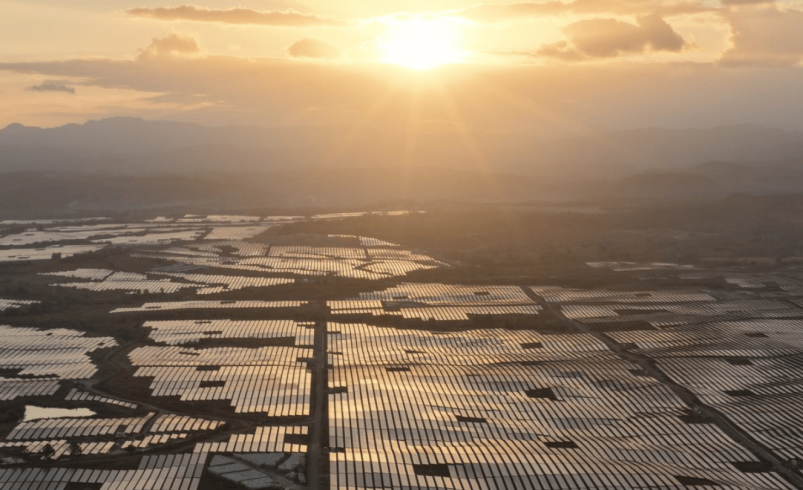
The Energy Regulatory Commission (ERC) has approved the grid connection of a 7.338-megawatt-peak (MWp) agrivoltaic solar project in Batangas, advancing one of the country’s emerging dual-use renewable energy developments that integrate power generation with agricultural land use.
The project, to be developed by Batangas Agrivoltaics, Inc. (BAI), which operates under Citicore Renewable Energy Corporation (CREC), will connect to the distribution system of Batangas I Electric Cooperative, Inc. (BATELEC I) through dedicated point-to-point facilities authorized by the ERC.
In its decision, the ERC approved the construction and ownership of connection assets comprising a 7.5 MVA take-off substation and an 89-meter, 13.2-kilovolt line, enabling the facility to dispatch power to the Wholesale Electricity Spot Market (WESM).

The connection facilities are estimated to cost PHP 42.84 million, based on submissions from the project developer.
While relatively small in capacity, the Batangas project adds to a limited pipeline of agrivoltaic developments in the Philippines, a model that combines solar generation with ongoing agricultural use of land.
Industry data indicates that only one large-scale agrivoltaic facility is currently feeding into the grid, a roughly 197 MWp project also linked to CREC, which accounts for the bulk of installed capacity under this configuration.
Beyond this, only a small number of agrivoltaic projects—mostly in early development or pilot stages—are understood to be in the pipeline, underscoring the segment’s nascent scale in the country.
Most current activity in the country has been concentrated in pilot-scale initiatives and solar farm retrofits incorporating agricultural use, rather than standalone agrivoltaic plants contributing incremental grid capacity.
The ERC said the Batangas project is necessary to enable grid connection and support power supply in the area, noting its potential to improve voltage stability and reduce system losses in the Balayan–Tuy corridor, subject to required system upgrades.
The Commission also reiterated that while developers may construct and own dedicated connection assets, these must be transferred to the distribution utility if later used to serve additional users, consistent with open access principles under the Electric Power Industry Reform Act.
Under the approval, BATELEC I will operate and maintain the connection facilities, with associated costs chargeable to the project developer.
BAI has yet to commence construction and is required to secure a Certificate of Compliance prior to commercial operations.
As agrivoltaics remains a niche segment in the Philippines, will dual-use solar projects scale into a mainstream renewable energy model—or remain limited to pilot and early-stage deployments?
Follow Power Philippines on Facebook and LinkedIn or join our Viber community for more updates.