ERC pushes regulatory reforms to expand electricity access and lower costs at PEPIF 2026
- March 16, 2026
- 0
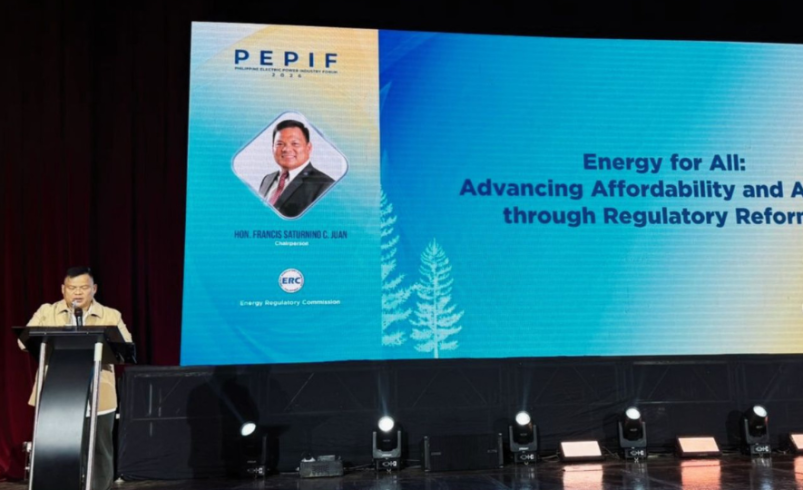
The Energy Regulatory Commission outlined a series of regulatory reforms aimed at improving electricity affordability and expanding consumer access during the Philippine Electric Power Industry Forum (PEPIF) 2026 in Baguio City.
Speaking at the forum held at the John Hay Convention Center on March 12, ERC Chairperson and CEO Atty. Francis Saturnino C. Juan said transparent markets, clear rules, and strong regulatory oversight remain essential in ensuring reliable and affordable electricity for Filipinos.
The forum carried the theme “Navigating the Energy Trilemma in the Philippine Context: Security, Sustainability, and Equity.”

“Energy for All is not simply a policy goal—it is the product of sound and consistent regulation,” Juan said.
Expanding consumer protection and electricity access
The ERC said its current reform agenda places Filipino consumers at the center of electricity sector policies.
One key initiative involves strengthening consumer rights through amendments to the Magna Carta for Electricity Consumers. The proposed changes aim to simplify procedures for households seeking electricity service while reinforcing protections for consumers.
The Commission is also expanding support programs for low-income households.
The Lifeline Rate subsidy has been expanded to include automatic eligibility for beneficiaries of the Pantawid Pamilyang Pilipino Program (4Ps) consuming up to 50 kilowatt-hours per month. The ERC is also implementing a uniform national subsidy rate to ensure consistent assistance for qualified consumers across the country.
These reforms aim to ensure that vulnerable households maintain access to electricity while managing rising energy costs.
Streamlining power supply approvals
The Commission is also pursuing reforms to improve efficiency in the electricity market and accelerate energy investments.
Among these initiatives is the streamlining of Power Supply Agreement (PSA) approvals, which regulators say will shorten review timelines and allow power distribution utilities to secure supply contracts faster.
The ERC is also revising the rules governing the Competitive Selection Process (CSP) to simplify procedures and speed up procurement processes.
Juan said these efforts are intended to shift the perception of the ERC from being a regulatory bottleneck to a stable institution that encourages long-term investment in the energy sector.
By providing clearer regulatory frameworks and faster approvals, the Commission hopes to support new generation projects while protecting consumers from supply disruptions and price volatility.
Strengthening oversight of electricity markets
The ERC is also addressing operational issues within the country’s electricity markets.
The Commission said it is enhancing oversight of line rental charges in the Wholesale Electricity Spot Market (WESM) while exploring mechanisms that could mitigate potential cost impacts on consumers.
As part of its market monitoring efforts, the ERC adjusted the Secondary Price Cap under Resolution No. 26, Series of 2025, raising it from ₱6,245 per megawatt-hour to ₱7,423 per megawatt-hour.
At the same time, regulators continue to monitor rolling price averages to prevent sudden electricity price spikes that could affect consumers.
Expanding retail electricity competition
Another key reform involves expanding participation in the competitive electricity market.
The ERC lowered the eligibility threshold for both the Retail Competition and Open Access (RCOA) program and the Retail Aggregation Program (RAP) to 100 kilowatts of average monthly peak demand.
The move allows more commercial establishments, industrial facilities, and aggregated electricity users to choose their power suppliers.
Regulators say the change will promote competition in the electricity market and potentially help consumers secure more competitive electricity rates.
Supporting the country’s energy transition
The Commission emphasized that effective regulation remains critical as the Philippines navigates the energy trilemma of ensuring energy security, environmental sustainability, and equitable access.
By strengthening consumer protection, improving market efficiency, and encouraging competition, the ERC aims to create an electricity sector that delivers reliable and affordable power while supporting the country’s energy transition.
Juan said collaboration among regulators, industry stakeholders, and policymakers will remain essential in achieving these goals.
“Let us unite in our efforts to forge the energy future that all Filipinos rightfully deserve,” the Chairperson concluded.
Follow Power Philippines on Facebook and LinkedIn or join our Viber community for more updates.