From hydrogen to agrivoltaics: Emerging technologies drive the Philippines’ green workforce
- December 3, 2025
- 0
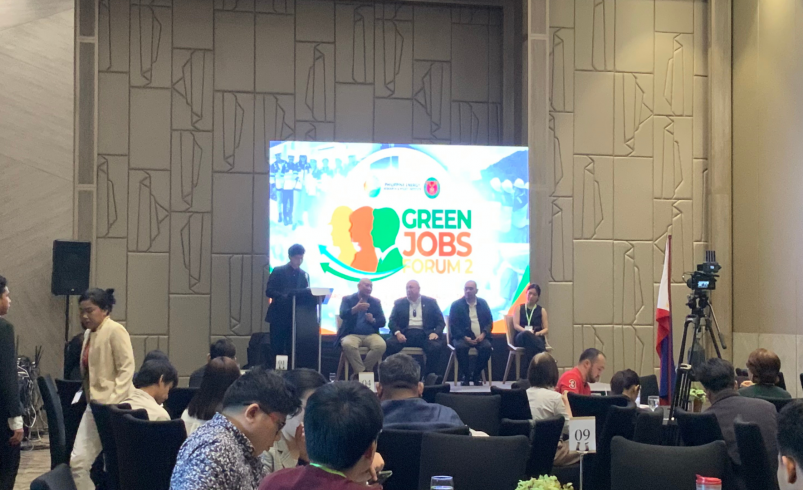
The Philippines’ clean-energy transition is increasingly being defined not just by policies or training programs, but by emerging technologies that are creating new, diverse green jobs, industry and government leaders said at the PERPI Green Jobs Forum 2 on November 19, 2025.
Forum discussions focused on curriculum development and workforce readiness and panel discussions spotlighted how innovation—from hydrogen power to electric mobility and agrivoltaics—is reshaping the labor market, offering opportunities across urban and rural communities.
Hydrogen and clean energy tech open new job paths
Gilbert Edward Travis, VP for APAC Development at Ally Power, introduced modular clean-aluminum-to-hydrogen systems capable of producing zero-emission power for applications ranging from 200 kW containers to 100 MW plants.

To meet a projected 220,000-worker green-skills gap by 2030, Ally Power is establishing a Clean Energy Center of Excellence and collaborating with local and international universities to co-develop curricula tailored to hydrogen and clean-energy operations.
“The reason I wanted to put this up is because probably half or more—maybe 60%—of these jobs are not necessarily engineers. So when people start to think about green jobs, they need to think about jobs that go beyond environmental engineers or solar power engineers. They need to really broaden their thinking. And I think this is a good opportunity to extend the benefits of renewable energy to people who may not have the wherewithal to become engineers,” Travis said, highlighting how the technology not only produces clean power but also creates specialized jobs in system assembly, operations, and maintenance.
Energy efficiency as a critical labor market
The energy-efficiency sector is also emerging as a key source of green employment. According to William Alcantara, President of Vega Energy Services and representing the Philippine Energy Efficiency Alliance (PE2), only 1,935 registered practitioners are available to serve thousands of energy-intensive establishments nationwide.
Structured apprenticeships, investment-grade audit training, and TESDA-recognized certification programs are seen as essential steps to rapidly scale the workforce.
“Energy efficiency is the first fuel, and we must have the skilled professionals ready to use it. This isn’t just an idea, it’s a national strategy,” Alcantara noted, stressing that energy efficiency represents the “first fuel” for the country’s decarbonization goals.
Agrivoltaics: Dual land use, dual jobs
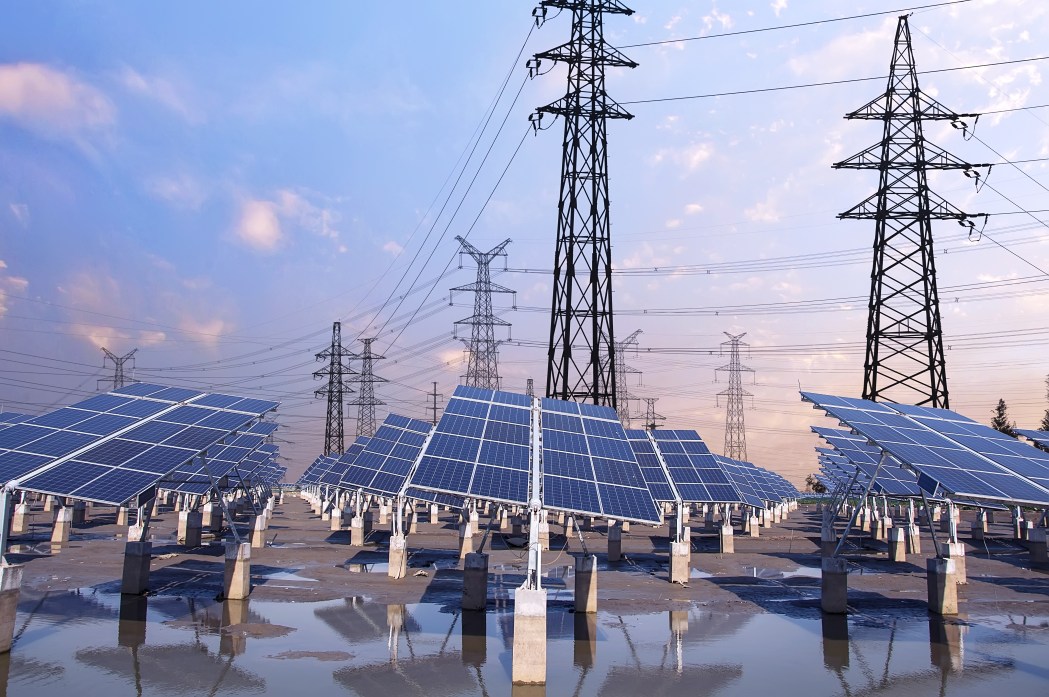
Miya Cornejo, Executive Director of Asia Engine for Net Zero (AENZ), presented agrivoltaics—the integration of solar panels and crop cultivation—as a solution for creating rural green jobs. Positions include crop-energy coordinators, community energy managers, and maintenance staff, generating both energy and food on the same land footprint.
Deployment, however, faces hurdles due to unclear land-classification rules and the absence of dedicated competency standards, slowing adoption despite clear socioeconomic benefits.
“Agri-solar creates work that is local, decent, climate-aligned, and rooted in the communities we serve,” she said, emphasizing that technology-driven jobs can boost rural livelihoods while contributing to national energy goals.
Electric vehicles transform automotive work
The country’s EV transition promises to reshape traditional vehicle-servicing roles. Dr. Jose Bienvenido Manuel Biona, Executive Director of the Electric Vehicle Association Philippines (EVAP), highlighted new employment opportunities in charging infrastructure, local assembly, battery packing, and renewable-powered EV services.
Biona noted that aggressive reskilling programs are essential to ensure that these net new jobs benefit Filipino workers and prevent the loss of opportunities to more proactive neighboring countries.
A technology-driven, inclusive green workforce
The forum underscored a clear message: green jobs are no longer an emerging trend—they are essential, and technology is driving the next wave of employment opportunities.
Panelists stressed that collaboration between government, academe, and the private sector is critical to ensure that jobs are accessible, inclusive, and Filipino-owned. Mobile training units, international certifications, and private-sector engagement were cited as mechanisms to bring advanced energy skills beyond urban centers and into rural communities.
For the Philippines, the path to a low-carbon, resilient energy future now depends on its ability to translate technology and innovation into concrete, local employment, ensuring that its green transition is not only sustainable but also socially and economically transformative.
Follow Power Philippines on Facebook and LinkedIn or join our Viber community for more updates.