From Typhoon Risk to Grid Readiness: AI Helps Utilities Detect Outages Before They Happen
- March 29, 2026
- 0
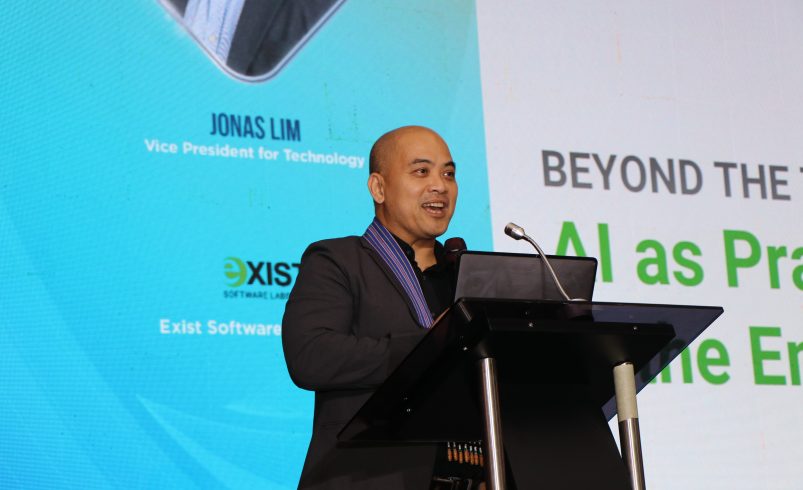
Artificial intelligence could help power companies shift from reacting to outages to predicting them before storms damage critical infrastructure.
Jonas Lim, Vice President for Technology of Exist Software Labs, said utilities can use AI to analyze weather data, grid conditions, and equipment signals to detect risks earlier and guide operational decisions.
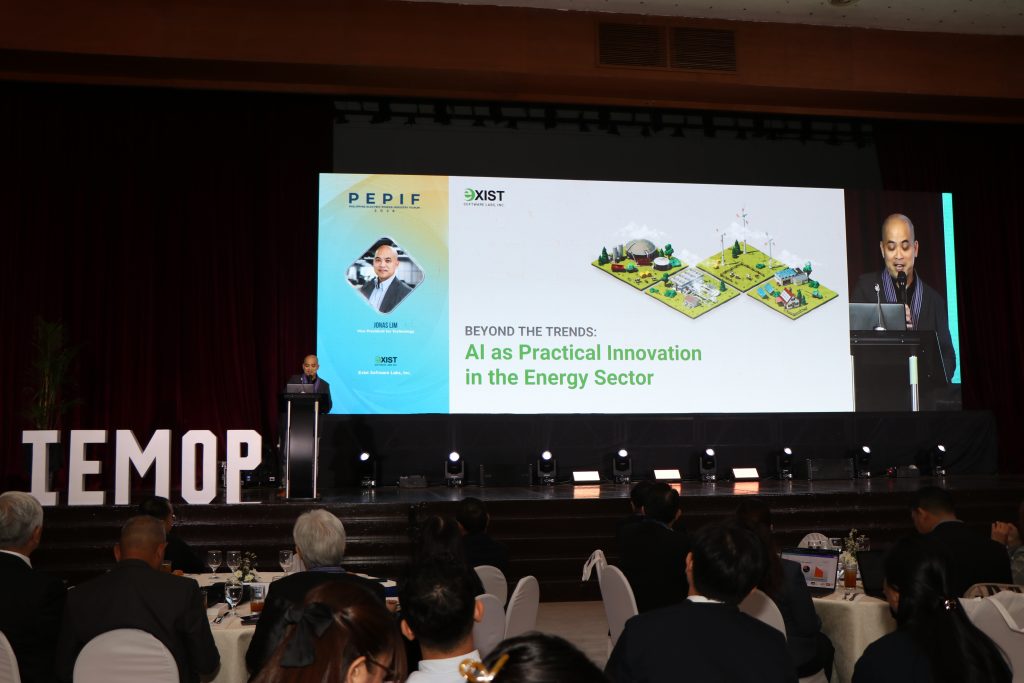
Lim raised the issue during the Philippine Electric Power Industry Forum 2026, held at the John Hay Convention Center in Baguio City on March 12. Energy executives gathered under the forum’s theme, “Navigating the Energy Trilemma in the Philippine Context: Security, Sustainability, and Equity.”

He said artificial intelligence can help utilities move from reactive operations toward predictive planning.
“AI can detect estimated outage probability and integrate weather risk data or early asset failure signals,” he told the forum. “In the Philippines, where typhoons and grid disturbances are part of our reality, this matters. Instead of responding after a failure, you prioritize before the impact.”
For a power system exposed to frequent extreme weather, predicting outages before they occur could significantly reduce service disruptions.
The Philippines experiences around 20 typhoons each year. These storms can damage transmission towers, flood substations, and disrupt distribution lines.
Utilities typically respond only after failures occur. Crews inspect damaged assets and restore service once outages are reported.
Lim said artificial intelligence could help utilities identify risks earlier.
“When you look at your daily operations — forecasting, dispatch planning, compliance reporting, maintenance scheduling — they are data-heavy, repetitive, and predictive,” he said. “That’s exactly where AI performs well.”
Many of these tasks already rely on large volumes of operational data. Power companies forecast electricity demand, plan maintenance schedules, and analyze plant performance and customer consumption patterns.
AI systems can process these datasets faster and identify patterns that may indicate future risks.
Lim explained that artificial intelligence generally delivers four types of operational value:
These capabilities help utilities improve planning while keeping human expertise at the center of decision-making.
“AI doesn’t replace expertise; it amplifies it,” Lim said.
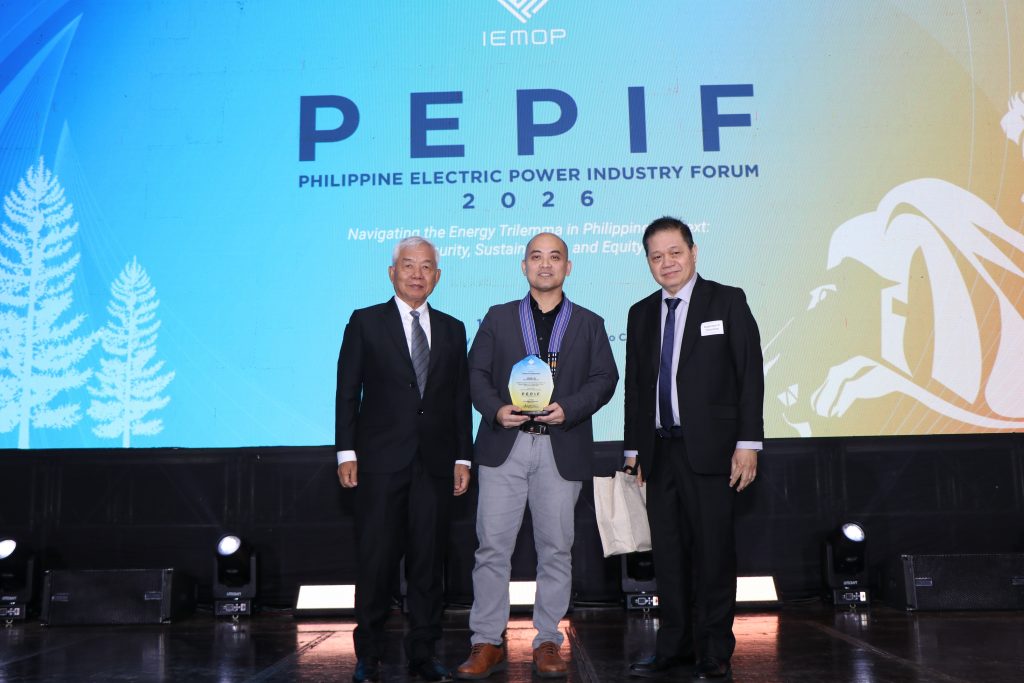
Energy operations contain many of the types of work where AI performs best. Utilities constantly forecast demand, generate operational reports, plan maintenance schedules, and analyze customer behavior.
These processes produce large amounts of data. AI systems can automate parts of this workflow and surface insights faster than traditional reporting systems.
For example, predictive models can combine weather forecasts with historical outage data and equipment performance records. If the model detects a higher probability of failure in a specific transmission line or substation, operators can prioritize inspections or preventive maintenance.
This approach allows utilities to focus resources on high-risk assets before storms arrive.
Lim said the opportunity is not to chase technology hype but to apply AI to real operational challenges.
In a country where typhoons, flooding, and grid disturbances are regular risks, predictive tools could help power companies improve preparedness. Instead of responding after infrastructure fails, utilities can identify vulnerabilities earlier and act before disruptions occur.
Follow Power Philippines on Facebook and LinkedIn or join ourViber community for more updates.