How Power Projects are Bringing Lasting Benefits to Host Communities
- February 4, 2026
- 0
Long before the energy transition became a national priority, before solar farms and hydropower stations, there was one policy that was already doing the necessary work of making sure the benefits of these projects reached Filipinos living closest to the source–Energy Regulation 1-94 (ER 1-94).
Today, as the Philippines races to diversify energy resources and strengthen energy security, ER 1-94 continues to serve a simple but powerful purpose: making sure energy development delivers tangible and lasting benefits to host communities.
“When we talk about communities or LGUs (local government units) that are eligible for the benefits of ER 1-94, our basis is the location of the power plant—specifically which barangay hosts the facility,” said Mac Louie Olap, OIC-Chief, Rural Electrification Administration and Management Division of the Department of Energy (DOE), in a recent interview with DZRH.

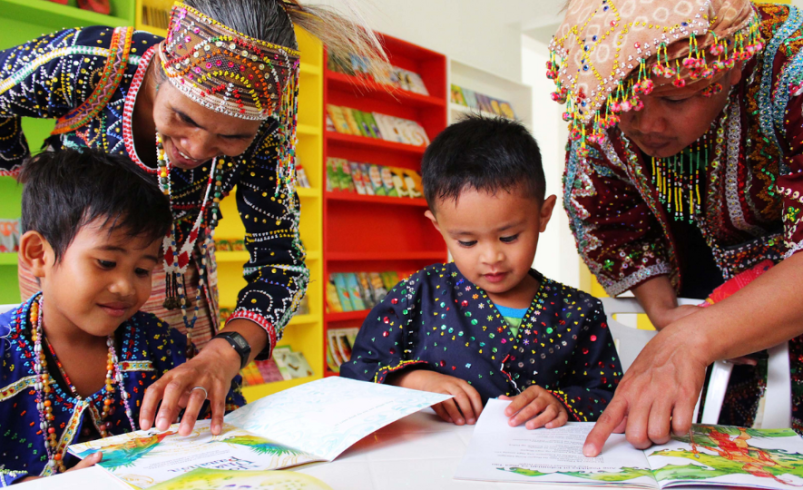
In the upland communities of Benguet, the farming towns of Bukidnon, the ancestral villages cradling Mount Apo, and many other host communities across the nation, the impact of ER 1-94 is seen and felt by the locals. This entails classrooms repaired, farms supplied with new equipment, seedlings growing on protected slopes, and lights shining on once-dark roads.
This is the story of how a decades-old energy policy becomes real—and how companies like Aboitiz Renewables, Inc., the renewable energy arm of Aboitiz Power Corporation, turn regulatory commitments into long-term community partnerships.
Introduced in the early 1990s under the Department of Energy Act, ER 1-94 was built on a principle that still resonates today:
If a community hosts one of the country’s power plants, they should share in the benefits.
This principle manifested in a remittance of PHP 0.01 for every kilowatt-hour sold, allocated across three key areas. The DOE raised the required financial benefit for host communities from PHP 0.01/kWh to PHP 0.03/kWh of electricity produced and sold, effective January 2026.
1. Electrification Fund (50%)
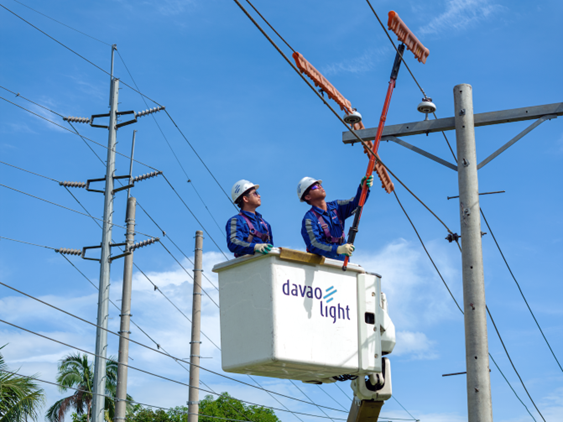
This fund is used to provide electricity to communities, starting with those directly affected by power facilities, the host barangays, municipalities, or provinces, and other areas prioritized by distribution utilities (DUs). It can be applied to projects such as new household connections, extensions of distribution lines, alternative electrification solutions, and repairing or upgrading existing power systems.
2. Development and Livelihood Fund (25%)
This fund supports livelihood projects, community development, and infrastructure initiatives, helping communities improve their quality of life and local economic opportunities.
3. Reforestation, Watershed Management, Health, and Environment Enhancement Fund (25%)
This fund is dedicated to environmental protection, forest and watershed management, health facilities, and climate resilience initiatives, ensuring that communities and natural resources thrive together.
For host LGUs, ER 1-94 funds are often among the most flexible and reliable sources of development financing, especially in geographically isolated or upland areas.
Over three decades, the ER 1-94 policy has expanded as the country’s energy sector has transformed.
The latest update came in October 2025, when the Department of Energy (DOE) issued a sweeping reform through Circular DC2025-10-0023, tripling the community share to PHP 0.03/kWh effective in 2026. Transparency provisions were strengthened, regional beneficiaries expanded, and project eligibility clarified.
Suddenly, communities hosting solar, wind, geothermal, and hydro projects nationwide were set to receive triple the support for electrification, livelihoods, and environmental protection.
And with renewable energy accelerating, ER 1-94 is poised to become one of the country’s most important development finance channels outside the national budget.
Funds from ER 1-94 supports a variety of projects across the archipelago: micro-hydro electrification in mountain barangays, solar streetlights in coastal towns, watershed protection around hydropower sites, health centers where there were none.
“From the testimonies of our host LGUs, ER 1-94 has really helped a lot. It has funded basic services such as roads, health centers, street lighting, and livelihood projects in host communities,” Olap said.
But to understand its transformative power, one only needs to listen to the stories emerging from host communities—many of them are partners of Aboitiz Renewables, one of the country’s biggest renewable energy players.
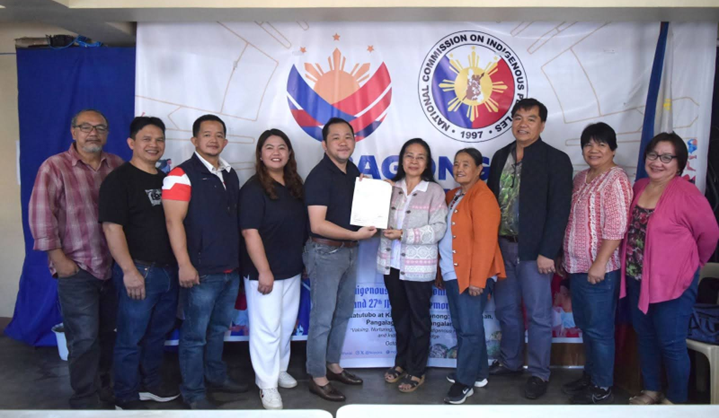
Representatives of indigenous people groups receive royalty shares from Hedcor’s run-of-river operations—funds that will scale up local farming efforts in Sablan and Tuba through improved irrigation, organic practices, and sustainable livelihood programs.
In the cool valleys of Benguet, where brooms are crafted by hand and rice wine (tapuey) is made the way grandparents taught, ER 1-94 royalties are helping strengthen both tradition and livelihood.
Funds have supported fruit tree propagation for farmers, expansion of tapuey and broom-making enterprises, composting systems for organic farms, irrigation improvements, and new farm tools and equipment.
These are everyday investments that help small communities flourish.
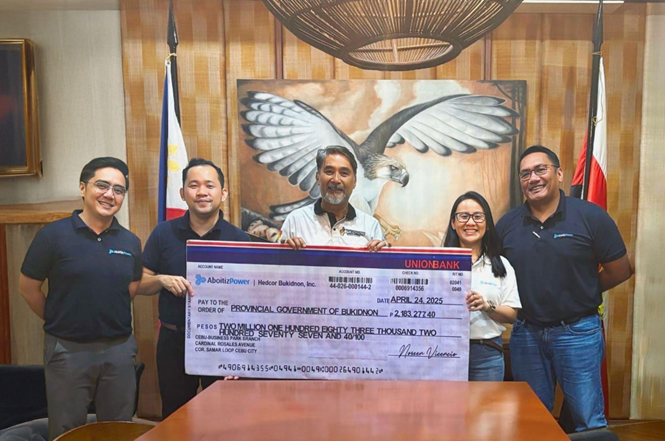
Aboitiz Renewables, Inc. First VP and General Manager Noreen Vicencio (second from right) hands over the check for Bukidnon’s community shares to Governor Neil Roque (center), together with other representatives from Hedcor and AboitizPower.
In Bukidnon, the rolling foothills of the Kitanglad mountain range are home to the Manolo Fortich hydropower plants, run by Aboitiz Renewables’ hydropower arm – Hedcor. For years, ER 1-94 has flowed into the province’s development programs. In 2024 alone, over PHP 5.7 million went to the province and its municipalities.
The funds support priorities that local leaders say they would otherwise struggle to finance: repaired classrooms in upland schools, improved barangay health facilities, and equipment for watershed protection teams.
On the ground, these projects don’t just fulfill compliance—they create a sense that energy generation and community growth are intertwined.
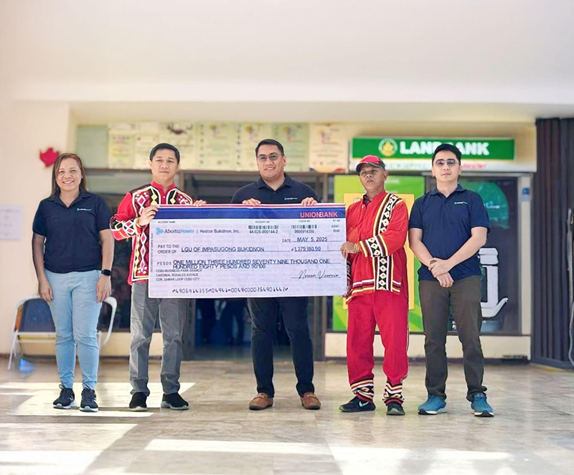
Hedcor External Relations Mindanao manager David Tacder (center), led the turnover, with Mayor Anthony Uy (second from left) accepting the check with Datu Lito Sinhayan, Municipal Indigenous Peoples Mandatory Representative (IPMR), External Relations NorthMin Supervisor Kent Pirante, and Specialist Norily Aton as witnesses.
In Impasug-ong, another Hedcor host in Bukidnon, PHP 1.3 million in community shares from hydropower generation helped fund agricultural support and essential barangay needs. Over time, consistent ER 1-94 remittances have become part of how the municipality plans its progress year after year.
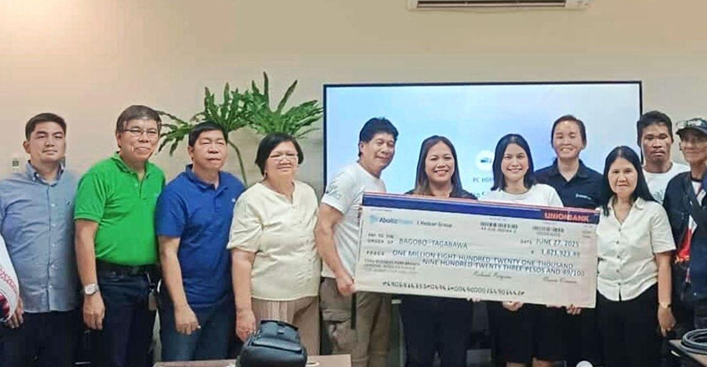
Aboitiz Renewables, through Hedcor, turnover the royalty shares to IP leaders and officers, as witnessed by the National Commission on Indigenous Peoples.
Farther south, in the ancestral domains near the Sibulan and Tudaya rivers, Indigenous Peoples’ groups use their ER 1-94 royalties to protect the forested slopes of Mount Apo, the country’s tallest peak.
In late 2024, PHP 1.8 million in royalties supported tree nurseries, reforestation drives, and forest ranger groups made up of IP community members.
For these communities, guarding the forest goes beyond environmental work–it’s also about guarding cultural identity. ER 1-94 simply gives them the means to continue what their elders have done for generations.
For Aboitiz Renewables, ER 1-94 is more than a regulatory requirement. Internally known as part of its “Giving Back to the Community” approach, the program reflects a broader philosophy in that host communities are partners in progress, not passive beneficiaries. They are stakeholders whose support determines the sustainability, stability, and success of energy infrastructure.
The Philippine energy transition will not be won through engineering alone. It will depend on trust—earned slowly, year after year, project after project. As the country pushes toward 50% renewable energy by 2040, ER 1-94 is entering its most consequential chapter yet. With funds tripling, LGUs strengthening capacity, and developers deepening engagement, the policy stands to become one of the country’s most effective tools for inclusive, community-led development.
And in every barangay that gets electrified, every watershed that regrows, every classroom that is lit, and every indigenous livelihood that thrives, ER 1-94 proves a simple truth:
When the country powers up, communities must not be left behind.
That was the vision in 1992 and it is the reality in 2025. As the Philippines accelerates its shift toward renewable energy, the scale of infrastructure will grow, and so will the responsibility to make sure development is shared.
That is the promise ER 1-94 set out to deliver and in many communities today, it is already being realized.