LNG players shift supply strategies as April price hikes loom
- March 23, 2026
- 0
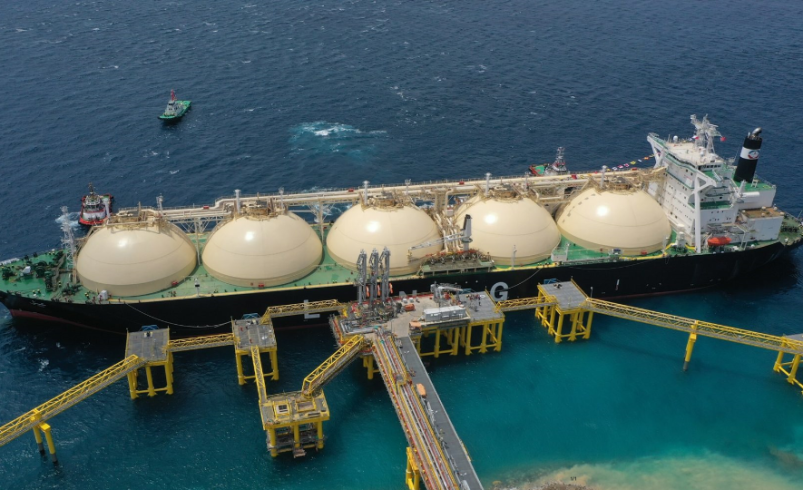
Photo credit: MGEN
Philippine power producers are reconfiguring fuel sourcing and preparing contingency measures as global supply disruptions drive up liquefied natural gas (LNG) costs, with electricity price increases expected to begin as early as April.
Speaking at the Middle East Conflict: From Global Markets to Philippines Energy Impact webinar on Thursday, Yari Miralao, CEO of LNGPH, said the company has already begun shifting its LNG procurement strategy away from traditional supply routes linked to the Middle East.

The webinar brought together executives from LNGPH, Prime Energy, ACEN, and Green Tiger Markets to discuss the implications of global energy market movements on the Philippine power sector.
“We’ve been working with our suppliers to re-nominate our load ports from the Middle East to Canada,” Miralao said, citing efforts to ensure cargo deliveries amid tightening global supply.
He added that LNGPH is also diversifying sources geographically. “We’re exploring Russian gas as well as U.S. gas sources.”
LNGPH, an integrated liquefied natural gas (LNG) terminal and power facility project in Batangas, operates about 2,500 megawatts of capacity and supplies roughly 20% of Luzon’s baseload requirements. It is backed by San Miguel Global Power, Aboitiz Power Corporation, and Meralco Powergen (MGEN).
The company is simultaneously expanding storage capacity and exploring interim solutions to extend fuel availability. Miralao said LNGPH is rushing to commission its second onshore storage tank by May 15 and is looking at chartering an LNG carrier to hang out in the bay to store fuel for the facility.
“We’re pushing the operational limits of our equipment… seeing if we can draw down as hard as we can and we can top things off as much as we can,” he added.
Miralao said global price movements are beginning to filter into the domestic market, outlining a timeline for expected electricity cost increases.
“LNG prices used to be USD 10 per MMBtu. After the conflict, it peaked at USD 28, and it now has settled to around USD 18–19 per MMBtu,” he said.”“For March, we should be fine because our fuel is bought in advance. For April, it’s a hybrid. June going forward, it’s all up to where the market comes up to.”
“You won’t see a price increase in March. However, you will start seeing it inching up in April and May,” Miralao said.
Alongside supply adjustments, industry players are also exploring the use of indigenous gas from the Malampaya Deepwater Gas-to-Power Project to supplement imported LNG.
Cherry Valenzuela-Mendoza, chief legal officer of Prime Energy, said the consortium operating Malampaya is in discussions with industry participants and government agencies on expanding access to its gas supply.
“We do hear the request of all of the industry players as to how we can actually make that happen,” she said. “SE38 is very much willing to work with the industry players to make sure that Malampaya gas is available to all customers.”
Valenzuela-Mendoza said current output remains committed to existing contracts but noted increased utilization of indigenous gas.
“We are, in fact, seeing an increase in the dispatch or in the procurement or use of our Malampaya gas,” she said.
Preparations are underway to enable potential redirection of supply. Miralao said the Department of Energy, Prime Energy, and LNGPH are scheduled to conduct a pipeline inspection later this month.
“On March 24 to 29, the DOE, Prime Energy, as well as LNGPH will be doing a full inspection of the pipeline, as well as our gas receiving facility,” he said.
Executives also cited broader tightening across fuel markets. John Knorring, CEO of Green Tiger Markets, said volatility in LNG is feeding into other energy commodities.
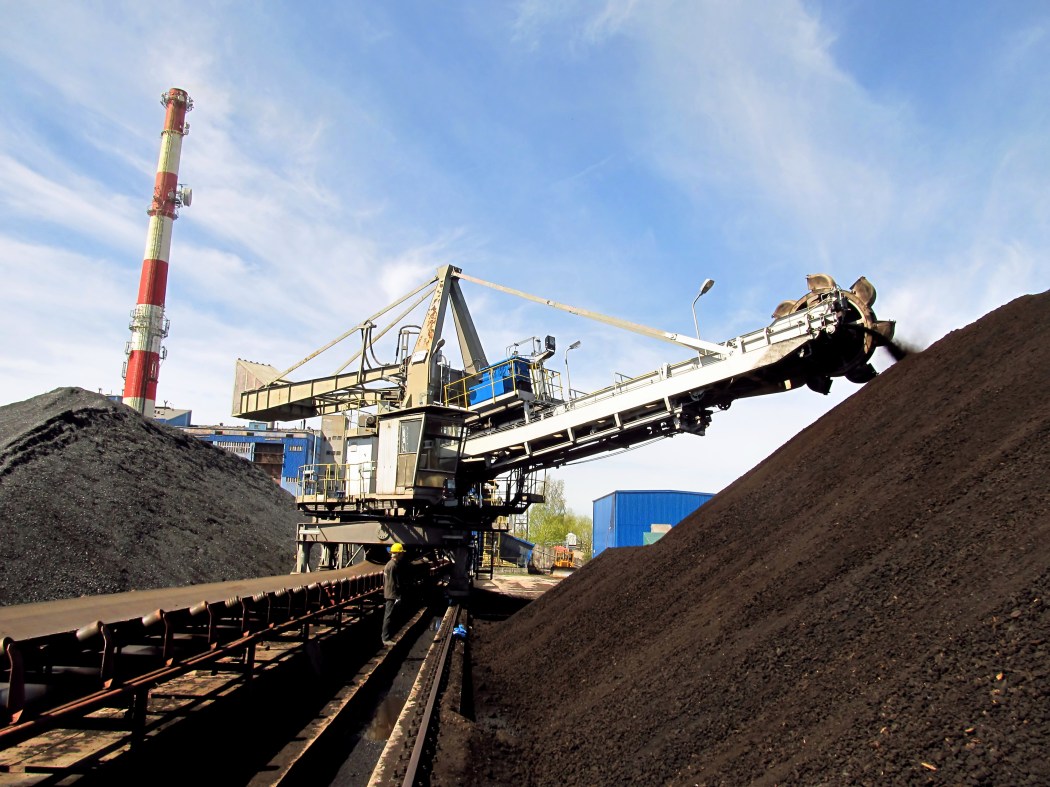
“The tightness in the LNG market is spilling over to make the coal markets a lot tighter and driving every energy molecule higher,” Knorring said.
He added that forward electricity prices have already moved. “We’ve seen… about a 15% increase in the kind of one-year forward strip.”
How should Philippine energy players balance LNG supply security and cost stability as global market volatility continues to intensify?
Follow Power Philippines on Facebook and LinkedIn or join our Viber community for more updates.