ENERGYEAR Philippines 2026 recap: Lowest bids no longer guarantee lower CAPEX, industry experts say
- February 3, 2026
- 0
Reducing project costs is no longer just about buying cheaper equipment, industry experts say. They warned that weak supply-chain planning and rigid construction models can actually push up real capital expenditure, or CAPEX, despite lower headline prices.
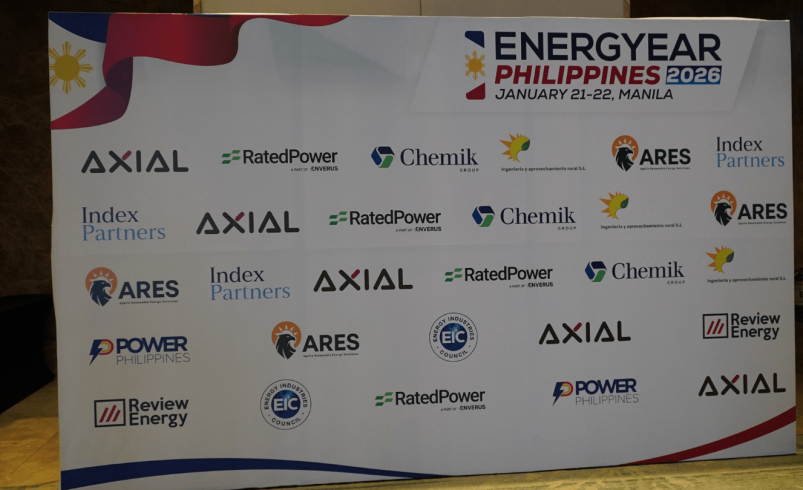
The statements were made at Energyear Philippines 2026. In a discussion, panelists said mature renewable markets have already shown the limits of aggressive cost-cutting. Tom Peebles, CEO of Solenergy Systems Inc., said early solar booms were marked by a “race to the bottom” in pricing that looked attractive on paper but created problems once projects moved into construction.
Peebles pointed to the gap between modeled and actual costs, often reflected in LCOE, or levelized cost of energy- a metric used to estimate the average lifetime cost of generating electricity. He warned that low “paper LCOE” figures can mask risks that later translate into delays, retrofits, and lost revenues.

A major contributor to these problems, he said, was how risk was allocated to EPCs, or engineering, procurement, and construction contractors- firms which are responsible for designing and building power projects. “At that time the contracts were just really… the EPC wearing all the risks,” Peebles said, referring to supply delays and grid connection issues that emerged after bids were locked in.
As supply chains tightened, delayed delivery of power modules, transformers, and substations showcased the weaknesses in this approach. Peebles said both owners and contractors eventually had to rethink procurement strategies and share risk more realistically to prevent project disruptions.
Panelists said similar pressures are now emerging in the Philippines, particularly as renewable energy projects scale up and infrastructure demands increase. These challenges are becoming especially evident in the data center sector, which requires large upfront investment and reliable power supply.
Rai Antonio de Jesus, chief procurement officer of ePLDT, said the Philippine data center market remains smaller than regional peers, with total available capacity expected to reach only around 200 to 250 megawatts by 2026. He attributed this partly to high construction costs and traditional “build-everything-upfront” models that raise both CAPEX and investor risk.
To manage these risks, De Jesus said buyers are shifting toward modular construction. A process which allows projects to be built in stages rather than all at once. “Instead of us building the full 100-megawatt data center… we’re looking at building it on a modular model,” he said, allowing capacity to scale alongside the demand.
Panelists said this phased approach lowers upfront CAPEX exposure, improves flexibility, and makes projects more attractive to investors. This applies for both data centers and energy facilities that face uncertain demand growth.
The discussion highlighted that meaningful cost reduction now depends on coordination across procurement, engineering, and planning, rather than simply pushing prices lower. Early engagement with EPCs, realistic cost modeling, and modular design were cited as ways to avoid hidden costs that can erode project viability.
As the Philippines expands its renewable and digital infrastructure, are developers and buyers adapting their procurement and planning strategies fast enough to reflect the real costs of building projects?
Follow Power Philippines on Facebook and LinkedIn or join our Viber community for more updates.