MVP open to China partnership for Reed Bank gas project
- February 27, 2026
- 0
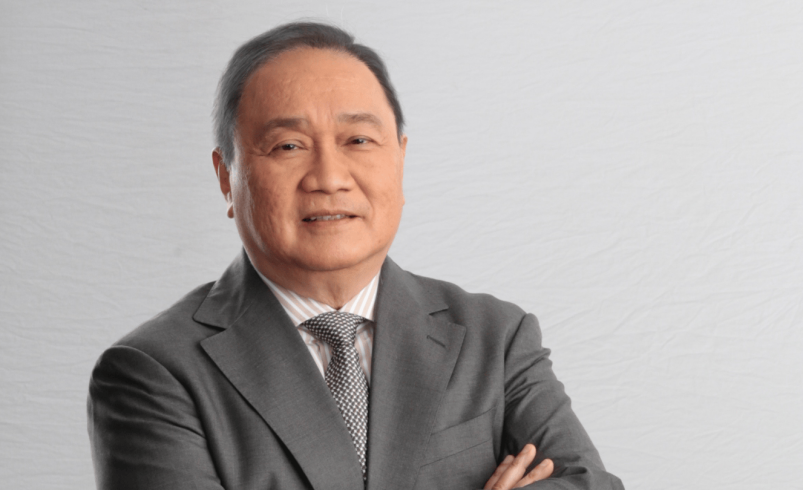
Manuel V. Pangilinan, Chairman and CEO of Manila Electric Company (Meralco), said his “personal view” is that the Philippines should consider engaging China in the potential development of Reed Bank, citing financial and technical constraints faced by local firms.
The statements were made on the sideline of Meralco’s FY 2025 Financial and Operating Results Briefing in Makati on February 25. “My personal view is we should engage,” Pangilinan said when asked about the possibility of working with China on the project.
Pangilinan, who also chairs PXP Energy, stressed that while exploration activities may be manageable, full-scale offshore development would require a foreign partner with both capital and expertise.

“We don’t have the expertise. Number two, we don’t have the money,” he said, noting that drilling offshore wells would cost “X million dollars per hole.”
He recalled that as early as 2014, estimates to develop Service Contract 72 (SC72), which covers Reed Bank, could reach around USD 6 billion.
“We don’t have 6 billion,” he explained.
Reed Bank, also known as Recto Bank, is located west of Palawan in the West Philippine Sea and is covered by SC72. The area has long been viewed as a potential source of indigenous natural gas, especially as the Malampaya gas field continues to decline.
PXP Energy holds the interest in SC72 through its subsidiary and has conducted seismic surveys in the past. However, Pangilinan acknowledged that the project remains at the exploration stage.
“We haven’t drilled anything,” he said, confirming that no appraisal wells have found commercial quantities of gas yet.
Earlier estimates had suggested that portions of SC72 could contain gas resources comparable in scale to Malampaya at the start of its operations, though Pangilinan noted that the only way to confirm the reserves is by drilling.
Beyond financing, Pangilinan said the project is complicated by geopolitical considerations.
“It’s all caught up in geopolitics,” he said, adding that while PXP has made the government aware of its perspective as an investor, “The government has the say.”
Offshore gas development involves high upfront costs and significant risk, with multiple wells typically required before confirming commercial viability. Pangilinan said that whether the partner is China or another country, the Philippines would need to work with an experienced operator to move the project forward.
With Malampaya supplying gas-fired plants in Luzon but gradually decreasing, Reed Bank has often been seen as a potential domestic replacement that could reduce reliance on imported liquefied natural gas.
Will commercial pragmatism ultimately outweigh geopolitical tensions in unlocking Reed Bank’s gas potential in the West Philippine Sea?
Follow Power Philippines on Facebook and LinkedIn or join our Viber community for more updates.