NexGen takes delivery-first approach to renewables amid policy shifts
- January 28, 2026
- 0
At the sidelines of Energyear Philippines 2026, Angela Sanchez, vice president of operations of NexGen Development Corporation, said the company is prioritizing renewable energy projects it can realistically deliver, rather than committing to unrealistic targets.
“We are very focused on moving projects forward,” Sanchez said, explaining that NexGen has not set a specific megawatt target. “We don’t want to commit to numbers that we may not be able to deliver.”
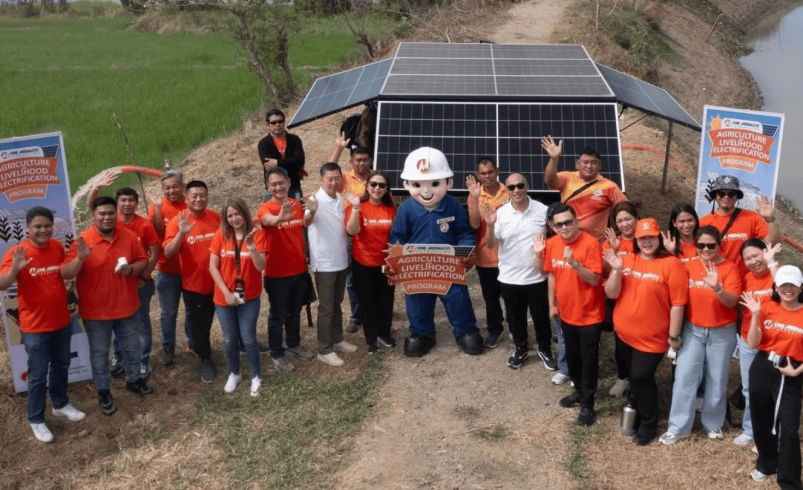
Sanchez said NexGen largely develops smaller-scale renewable projects, particularly those connected to distribution utilities and serving rural areas. “These are projects that may not be very big, but they are important for electrification and for stabilizing the grid,” she said.

Project timelines remain a major challenge, according to Sanchez. She said solar projects typically take around two years to develop, while wind projects can take five years or more because of permitting requirements, coordination with multiple local government units, and long site assessments.
Community engagement also plays a major role in project delivery. Sanchez said NexGen often builds in areas where it already has operations, particularly its hydropower facilities. “If the community already knows you, it’s easier to move forward,” she said, noting that local coordination can be just as critical as technical feasibility.
On current policies, Sanchez raised concerns over changes in the Green Energy Auction framework, particularly the relaxation of requirements related to land or tenurial rights. “When the rules change, especially on land requirements, it affects the credibility of the projects that get awarded,” she said.
She also pointed to auction pricing mechanisms that tend to favor large-scale projects, saying smaller developers can be disadvantaged. “If pricing is based on averages, smaller projects without economies of scale are at a disadvantage,” Sanchez said.
Looking forward, Sanchez said NexGen is cautiously exploring floating solar, describing the technology as promising but still early-stage. “There will be birth pains,” she said, adding that initial projects may take significantly longer than early projections.
Sanchez also confirmed that NexGen is in discussions with foreign investors, but stressed that nothing has been finalized. “There is interest, but there’s nothing I can disclose at this point,” she concluded.
NexGen’s pipeline includes major wind projects secured through its wind arm, Airstream Renewables Corp., which has been awarded 1.7 gigawatts of onshore wind energy service contracts by the Department of Energy for projects in Pangasinan, Samar and Nueva Ecija. The projects form a core part of NexGen’s current development portfolio as they move through early-stage execution.
As renewable energy targets continue to expand, Sanchez’s remarks highlight the gap between policy ambition and on-the-ground execution. How can policy design better support renewable projects that are ready to be built, rather than those that look good on paper?
Follow Power Philippines on Facebook and LinkedIn or join our Viber community for more updates.
This article was originally prepared for January 25, 2026 and published later due to temporary site downtime.