NIA rolls out P332-M solar irrigation projects in CamSur
- March 23, 2026
- 0
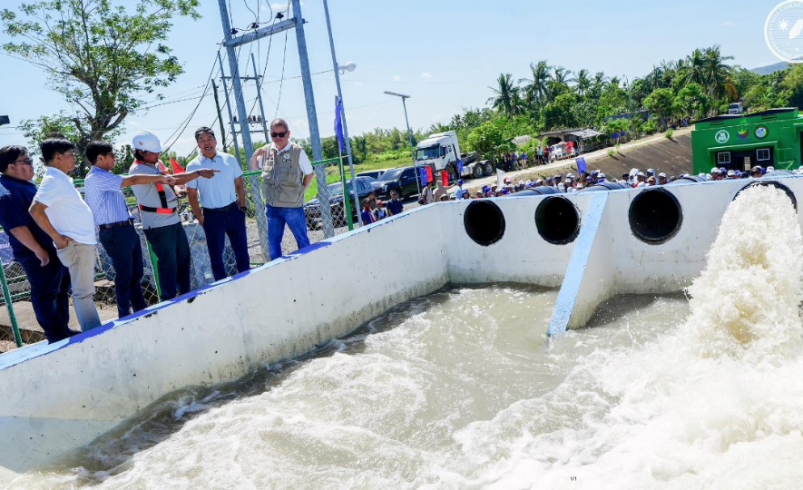
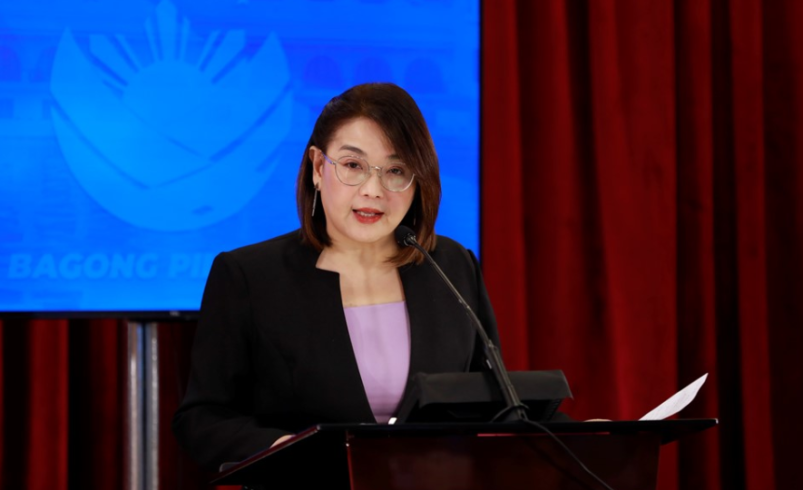
Photo credit: PCO
The National Irrigation Administration (NIA) has implemented PHP 332 million worth of solar-powered irrigation projects in Camarines Sur, shifting more than 1,800 hectares of farmland away from grid electricity and diesel-dependent pumping systems.
The projects, developed under the Marcos administration’s agricultural modernization program, were inspected by President Ferdinand R. Marcos Jr. on Monday in Minalabac and Bula towns.

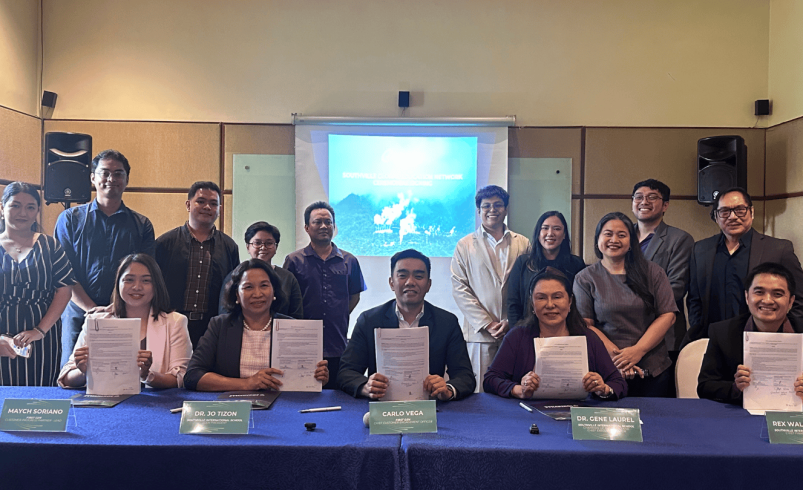
The facilities include the PHP 126.7-million solar pump irrigation project of the San Agustin-San Ramon Agrarian Reform Farmers’ Cooperative (SARF) in Bula and the PHP 205.46-million New MASSBA Solar Pump Irrigation Project (Phase I) in Minalabac.
According to NIA, the solar-powered systems form part of its strategy to lower production costs and improve irrigation reliability for farmers, with the combined projects benefiting 1,854 farmer-beneficiaries.
Before the transition, one cooperative reported monthly electricity expenses of about PHP 300,000 to PHP 450,000 for operating irrigation pumps using grid power.
With the shift to solar energy, farmers reported a significant reduction in electricity costs and improved access to uninterrupted irrigation, according to government data.
Farmers in Minalabac welcomed the operationalization of the facility.
“Magpapasalamat po kami na talagang nakatulong si BBM dito sa mga magsasaka sa Camarines Sur,” said Nellie Israel, 60, of Minalabac. (We are very thankful because BBM has really helped farmers here in Camarines Sur.)
Israel, a member of the Mataoroc-Sagrada-San Jose-Baliwag Viejo farmers’ cooperative, said the old irrigation system had long been affected by high electricity costs, with the group still carrying about PHP 6 million in outstanding obligations to its power provider.
Another farmer, Rosalie Abrado, said the solar-powered system marks a first for their community.
“Nagpapasalamat po kami nang lubos sa Presidente kasi nagkaroon ng ganitong project sa Minalabac. First time po ito nagkaroon ng ganitong klaseng proyekto,” she said. (We are deeply grateful to the President because this project was implemented in Minalabac. This is the first time we have had this kind of project.)
Abrado added that farmers previously paid irrigation fees equivalent to 13 cavans (1 cavan = 50 kg) of palay per hectare per cropping season and, in some cases, relied on diesel pumps to irrigate portions of their farms.
The projects were funded under the Establishment of Groundwater Pump Irrigation Project (EGPIP) Solar CY 2024.
NIA said the deployment of solar-powered irrigation systems is part of efforts to modernize farm infrastructure, reduce operating costs, and strengthen food security through improved water access.
How significant is solar-powered irrigation in reducing long-term production costs for Philippine farmers, and should this model be expanded more aggressively nationwide?
Follow Power Philippines on Facebook and LinkedIn or join our Viber community for more updates.