Offshore wind success hinges on early, sustained stakeholder engagement —GHD
- April 6, 2026
- 0
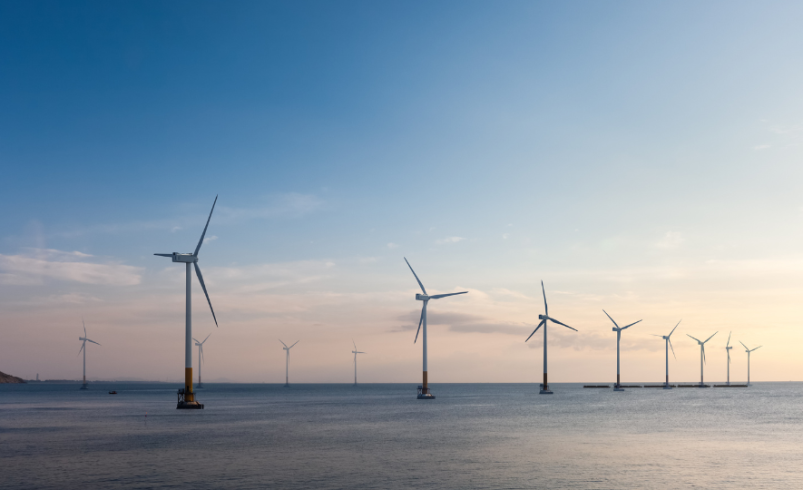
Strong, continuous stakeholder engagement will be critical to the successful rollout of offshore wind projects in the Philippines, according to infrastructure consultancy GHD, amid the country’s accelerating renewable energy expansion.
Speaking at the Philippines Onshore Offshore Wind Summit 2026 on March 26, GHD Stakeholder Engagement and Social Sustainability Lead Mark Abrenica said engagement with affected communities must go beyond regulatory compliance and be integrated across the full project lifecycle.
The Philippines is positioning offshore wind as a key pillar of its energy transition, with an estimated technical potential of 207 gigawatts. The government has already moved to operationalise the sector, holding its first offshore wind auction in November, which offered 3,300 megawatts of capacity scheduled for delivery between 2028 and 2030.

Authorities are targeting renewable energy to account for 35% of electricity generation by 2030, rising to 50% by 2040, as part of efforts to reduce dependence on imported fossil fuels, improve energy security, and support climate commitments.
However, Abrenica flagged that offshore wind development carries significant social considerations, particularly for coastal communities. These include potential restricted access to fishing grounds and marine routes, impacts on livelihoods, safety and wellbeing risks, and land-use constraints linked to onshore infrastructure such as substations and transmission lines.
While stakeholder engagement is already required under Philippine environmental regulations and by international lenders such as the Asian Development Bank, World Bank, and International Finance Corporation, Abrenica said it is often treated as a one-off compliance exercise rather than an ongoing process.
“To be effective, stakeholder engagement must continue and guide project decisions across the entire lifecycle of the project, not just in the approvals stage,” Abrenica said, adding that the approach should shift “from compliance to building long-term trust, from one-off events to dialogue and from managing impacts to managing relationships.”
He also cited the International Association for Public Participation’s framework, which outlines a progression from informing stakeholders to consultation and participation, and ultimately to collaboration and empowerment in decision-making.
According to GHD, stronger engagement practices could help reduce project delays, improve decision-making clarity, ensure alignment with regulatory and lender requirements, and build trust with coastal communities.
As the Philippines scales up offshore wind deployment, how should developers, regulators, and communities structure engagement to avoid delays while ensuring genuine participation and social acceptance?
Follow Power Philippines on Facebook and LinkedIn or join our Viber community for more updates.