PH eyes Iran talks for Hormuz safe passage amid oil route concerns
- March 31, 2026
- 0
Philippine President Ferdinand R. Marcos Jr. has reportedly directed the Department of Foreign Affairs (DFA) to engage Iran on the possibility of ensuring safe passage for Philippine-bound vessels transiting the Strait of Hormuz, a critical global oil chokepoint, as part of efforts to safeguard the country’s energy security.
Presidential Communications Office (PCO) Undersecretary and Palace Press Officer Claire Castro confirmed the instruction in a briefing in Malacañang on Tuesday, citing ongoing inter-agency discussions linked to energy supply risks.
“Kahapon ay nagkaroon din ng meeting ang UPLIFT at iyan (discussion) ay ipinag-utos na ng Pangulo kay Secretary Tess Lazaro,” Castro said. (“Yesterday, the UPLIFT also had a meeting and that discussion was ordered by the President to Secretary Tess Lazaro.”)

She added that diplomatic engagement with Tehran is expected soon.
“At ayon kay Secretary (Maria Theresa) Tess Lazaro ng DFA, makikipag-usap siya sa ambassador ng Iran, most probably ay tomorrow. Kung hindi man magkakaroon ng tomorrow, by next week,” Castro added. (“And according to Secretary (Maria Theresa) Tess Lazaro of the DFA, she will speak with the ambassador of Iran, most probably tomorrow. If not tomorrow, then by next week.”)
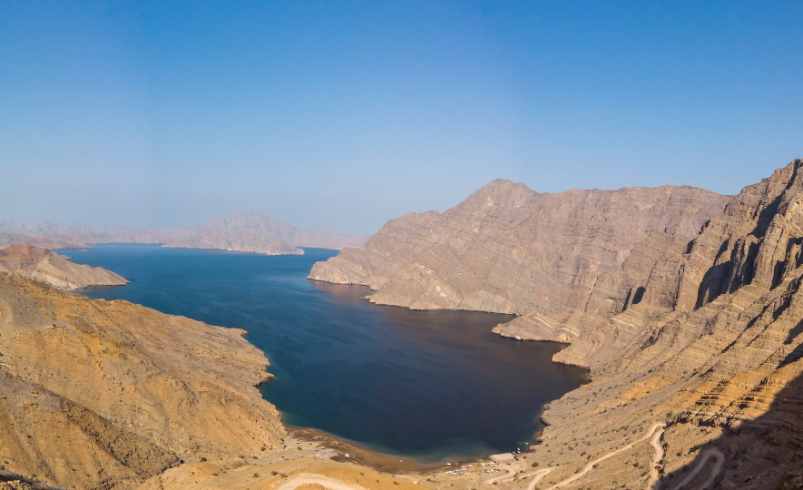
The Strait of Hormuz—located between Oman and Iran—connects the Persian Gulf with the Gulf of Oman and the Arabian Sea and is considered one of the world’s most strategically sensitive oil transit routes, carrying a significant share of global crude shipments.
Castro said the executive branch has been urged by lawmakers to initiate high-level talks with Iran to ensure the uninterrupted and safe passage of vessels passing through the waterway, amid concerns over regional tensions affecting maritime routes.
She adds, however, that the DFA has not confirmed whether there are currently Philippine-bound vessels scheduled to traverse the strait.
The development comes as the Marcos administration continues to diversify fuel import sources and strengthen supply resilience. The President earlier said the country is actively exploring government-to-government oil procurement arrangements with non-traditional suppliers, including Russia, Indonesia, and India.
He also cited information from Petron, the country’s sole oil refiner, indicating that existing petroleum supply is sufficient until June 30.
How significant is diplomatic engagement with Iran in stabilizing the Philippines’ fuel supply chain amid global chokepoint risks?
Follow Power Philippines on Facebook and LinkedIn or join our Viber community for more updates.