PH solar adoption means clearer policies, not divisive labels
- May 16, 2026
- 0
By Brenda Valerio, Country Director, New Energy Nexus Philippines
When recent discussions around stricter enforcement against the growing number of unregistered solar installers surfaced, it framed the issue as a quality and safety problem. Indeed, even the private utility Meralco waded in by calling some “guerrilla” solar setups.
Unqualified installers entering a booming market are a real risk to consumers and to the long-term reputation of the solar industry. But the label matters. Calling these installers “guerrillas” is not just inaccurate, it is actively counterproductive to the goal we all claim to share: getting more rooftop solar onto Filipino homes and businesses, faster.

New Energy Nexus Philippines recently completed a rapid survey of 20 small and medium rooftop solar companies across the country, and the findings provide a clearer picture.
Before the current fuel crisis, the firms in our network collectively handled around 114 customer inquiries per week. Today, that number is 456, a nearly fourfold jump, with an average increase of 582% across respondents.
Filipinos are not waiting for government programs. They are calling their local solar installer on their own initiative because their electricity bills have been rising. “People are in panic mode,” one installer in Cavite told us. “[This makes] them come to us installers instead of us coming to them.”
The right response
The solar industry genuinely needs consumer protection, and registration and installation standards are the right tools to achieve it. The question is how we get there.
Many small and provincial installers are not in the DOE database, not because they are operating in bad faith, but because the path to formalization has not been made accessible to them. What the moment calls for is an active effort to bring these installers into the fold through simplified registration processes, clear communication of standards, and support for the provincial trade associations that can carry that work on the ground.
The “guerrilla” label discourages the workforce expansion the market urgently needs. It conflates informality with incompetence and shifts attention away from structural issues, such as supply chain fragility, limited financing, and slow net metering processes. These are the real bottlenecks between Filipino homes and affordable clean energy.
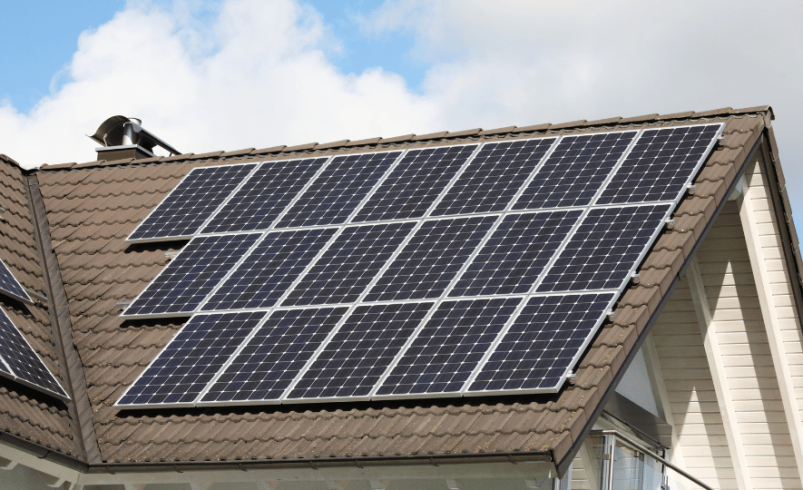
The Philippines has a target of 35% renewable energy by 2030 and 50% by 2040. Rooftop solar installations stand at roughly 1,846 MW against a potential of 106,000 MW. The fuel crisis has created a genuine, consumer-driven demand signal across the entire archipelago. The policy response to that signal should be to remove barriers, not add to them.
This mislabeling of installers does not protect consumers. It instead provides a distraction from the structural work that actually needs to happen, because these installers are not the problem. In many communities, they are the only solution available.

Brenda Valerio, New Energy Nexus (NEX) Philippines Country Director, brings more than 10 years of experience in entrepreneurship and innovation. Prior to joining NEX, she had been working with over 200 entrepreneurs through the Philippines’ largest tech startup accelerator. She has a bachelor’s degree in entrepreneurship from Miriam College and an MBA degree from Ateneo de Manila Graduate School of Business.