Power rates rise only by centavos despite fuel spike, says DOE
- April 13, 2026
- 0
Electricity rates have seen only minimal increases so far despite rising global fuel costs, with the Department of Energy (DOE) crediting government interventions and additional power supply for cushioning the impact.
Speaking on Radio Television Malacañang (RTVM), Energy Secretary Sharon S. Garin said the increase in electricity prices remains at the centavo level, significantly lower than the sharp hikes observed in diesel prices.
“There is an increase, but it’s not 5 pesos, 9 pesos, or 20 pesos. It’s not the same as the increase in diesel. The increase is in centavos, maybe 40 centavos, 30 centavos,” Garin said.

She explained that the government has implemented several measures to prevent a larger spike in electricity costs, including adjustments in the energy mix, such as increased use of liquefied natural gas (LNG), as well as boosting renewable energy output.
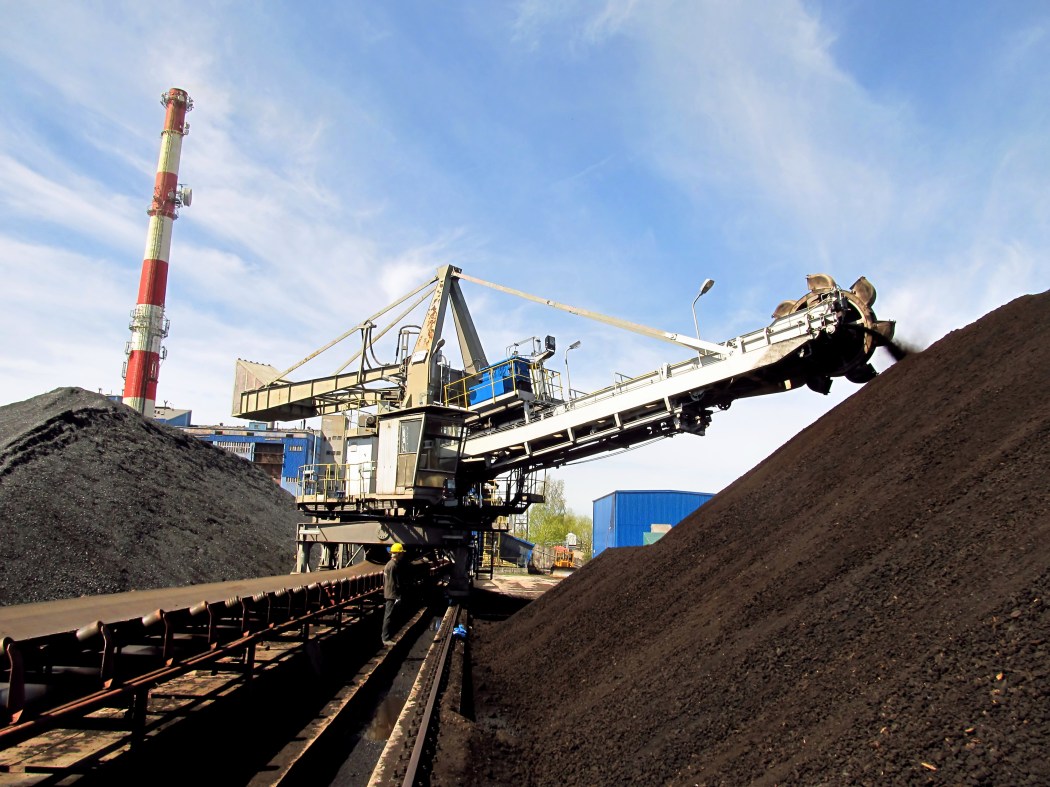
The DOE has also worked to manage the impact of rising coal and transportation costs, which typically feed into electricity prices. In April alone, the government facilitated the early completion of around 1,400 megawatts (MW) of power capacity, which was originally scheduled to come online later in the year.
“In April alone, we advanced the completion… 1,400 megawatts… Instead of operating in December, we advanced it because we helped with the permitting,” Garin said, noting that the additional capacity is enough to energize around 1.1 million households.
She said these efforts form part of a “whole-of-government approach” that has helped avoid a sharper increase in electricity rates.
Looking ahead, Garin emphasized that energy conservation will be a key factor in maintaining supply stability, urging the public to reduce consumption where possible.
“Even if we say that our fuel lasts for 50 days… if we hoard and we don’t conserve, it might get shortened,” she said.
She added that while global developments affecting fuel prices are beyond the country’s control, managing electricity demand remains within reach.
“But what we can control is our consumption, and that can really help our country,” Garin said.
The DOE estimates that the country currently has around 50 days of fuel supply, enough to sustain ongoing economic activity, provided consumption remains managed.
As the government continues to stabilize electricity prices, how much of a role should consumers play in ensuring energy security through conservation?
Follow Power Philippines on Facebook and LinkedIn or join our Viber community for more updates.