Purging the Electricity Flippers: How the Philippines is Rewriting the Rules around Renewable Energy
- January 28, 2026
- 0
The Department of Energy (DOE) is reviewing dozens of long-stalled renewable energy contracts, drawing attention to a subset of developers who secured projects but failed to advance them. These dormant contracts comprise a small fraction of the more than 1,400 renewable energy service contracts awarded by the DOE over the past decade across four Green Energy Auction Program (GEAP) rounds and other procurement mechanisms.
The DOE is conducting this review alongside a parallel policy shift in offshore wind, being introduced under the milestone-based rules of the fifth Green Energy Auction.
The roots of the problem of electricity flippers stretch back to the renewable energy boom years, when the rapid issuance of renewable energy service contracts began to accumulate into a pipeline that would exceed 130 gigawatts of potential capacity across solar, wind, hydro, geothermal, and biomass by mid-2024. On paper, the capacity was staggering—enough to transform the country’s energy mix several times over.

In reality, many projects stalled. Some failed to secure land rights. Others struggled to finance construction. A significant number never cleared the system impact studies required for grid connection. By 2024, the DOE identified and scrapped 105 inactive projects, and, following a clear and structured termination process, revoked an additional 84 renewable energy contracts in 2025 (representing approximately 17,904 MW of potential capacity) after developers failed to comply with work program commitments, auction requirements, and other contractual obligations.
The DOE has indicated that enforcement is ongoing, with around 42 additional projects currently under review and potentially subject to termination following further compliance checks.
What the purge revealed was not simply regulatory laxity, but a structural flaw: earlier policy frameworks rewarded early positioning more than actual execution. Developers could lock in capacity years ahead of construction with limited downside if projects failed to move.
The result was a renewable sector crowded with “paper megawatts”—capacity that existed only on paper in projections, and not in actual megawatt hours from actual power plants.
That question—how to turn paper megawatts into real power— is now shaping the next phase of reform.
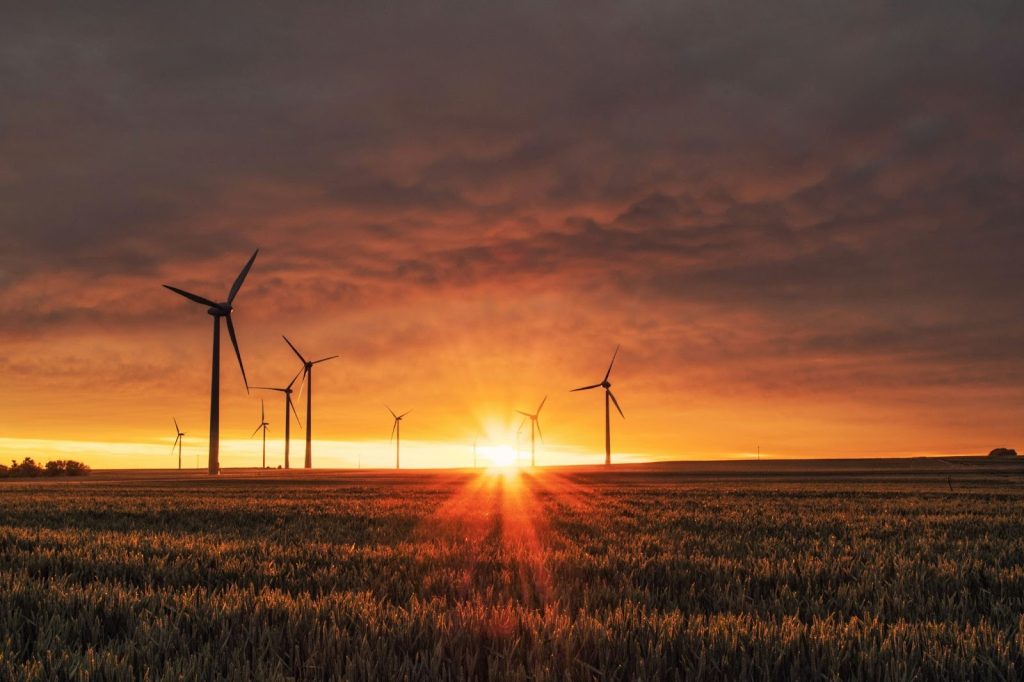
In its fifth Green Energy Auction, or GEA-5, the DOE rewrote the rulebook, applying exclusively to offshore wind—a technically complex, capital-intensive segment where financing and development risks are higher than for most renewables like solar or onshore wind. The Global Wind Energy Council (GWEC) notes that offshore wind projects globally require larger upfront investment and more intricate financing structures, underscoring the need for careful oversight.
Recognizing these challenges, GEA-5 introduced a milestone-based Terms of Reference, linking project survival to strict, time-bound progress in financing, construction, and commissioning.
Offshore wind is precisely the segment most vulnerable to speculative behavior: large seabed areas, early-stage surveys, and long lead times make it easy for developers to lock in rights without building. By linking awards to enforceable milestones, the DOE is signaling that, at least for offshore wind, paper projects will no longer be tolerated. Failure to meet deadlines now risks automatic forfeiture — not prolonged regulatory leniency.
In effect, GEA-5 functions as a sort of forward-looking policy response informed by the recent purge of idle renewable energy contracts. If it works in offshore wind, industry observers expect the same milestone discipline to migrate into future solar, wind, and hybrid auctions. If it fails, the country risks reproducing the same pattern of speculative contracting—only this time over deeper waters and much larger capital stakes.
But even with stricter auctions and aggressive cancellations, deep structural risks remain. Grid congestion continues to delay project connections. Transmission upgrades lag behind new generation. Land acquisition remains politically and legally fraught. Data from the World Economic Forum show that financing conditions have tightened as global interest rates remain elevated.
These are the same bottlenecks that derailed earlier projects — meaning enforcement alone cannot guarantee delivery. What the current reforms attempt to do is reorder risk: pushing development risk back onto project proponents earlier in the process, before capacity is locked away from the grid.
The story of electricity flippers is not just about failed projects. It is about how policy design can unintentionally reward speculation, and how difficult it is to unwind those incentives once hundreds of contracts are already in circulation.
The DOE’s strategies, combining the revocation of 84 non-compliant renewable energy contracts in 2025, continued monitoring of additional stalled projects, and redesigned auction rules through milestone-based requirements in offshore wind, represents the most serious attempt yet to reset the market’s DNA.
Following the large-scale contract terminations, the DOE has also begun revisiting national supply–demand assumptions and system planning scenarios to ensure that future capacity projections are grounded in deliverable projects rather than speculative commitments.
Whether it succeeds will determine more than the fate of stranded contracts. It will shape the credibility of the Philippines as a renewable energy investment destination, the pace of its energy transition, and the reliability of its future power supply.
For now, the reckoning with electricity flippers marks a rare inflection point: where reform is no longer just about policing the past, but about rebuilding the rules of the future.
—
Sources:
https://powerphilippines.com/doe-reviewing-idle-re-contracts-130-gw-in-stalled-projects-may-reopen-to-investors
https://powerphilippines.com/doe-cracks-down-on-dormant-renewable-energy-projects/
https://businessmirror.com.ph/2024/10/21/doe-105-renewable-energy-projects-face-termination
https://business.inquirer.net/485773/doe-starts-termination-of-105-re-contracts
https://legacy.doe.gov.ph/geap/advisory-revised-timeline-activities-first-green-energy-auction-gea-philippines?q=geap/gea5-terms-of-reference
https://powerphilippines.com/inside-gea-5-philippines-stakes-its-future-on-offshore-wind
https://www.weforum.org/stories/2024/06/energy-transition-investment-interest-rates
https://www.gwec.net/news/new-innovations-in-finance-can-half-the-cost-of-capital-for-offshore-wind