Workforce readiness seen as crucial to turning renewable investments into projects, IMF says
- February 10, 2026
- 0
Recent policy reforms have opened the Philippine renewable energy sector to more foreign and private investment, but a study by the International Monetary Fund (IMF) suggests that workforce readiness may not be up to par. This can drastically reduce how effectively these investments translate into actual projects for the transition.
In its report Renewable Energy Transition in the Philippines: Trends, Opportunities, Challenges, the IMF noted that while investor interest in renewables has grown after regulatory reforms, capital availability alone does not guarantee timely project delivery.
The IMF estimated that the Philippines will need around PHP 10.7 trillion in investment between 2029 and 2050 to meet its renewable energy targets. The study emphasized that this scale of investment requires not only financing, but also sufficient technical, engineering, and operational personnel to actually execute projects.

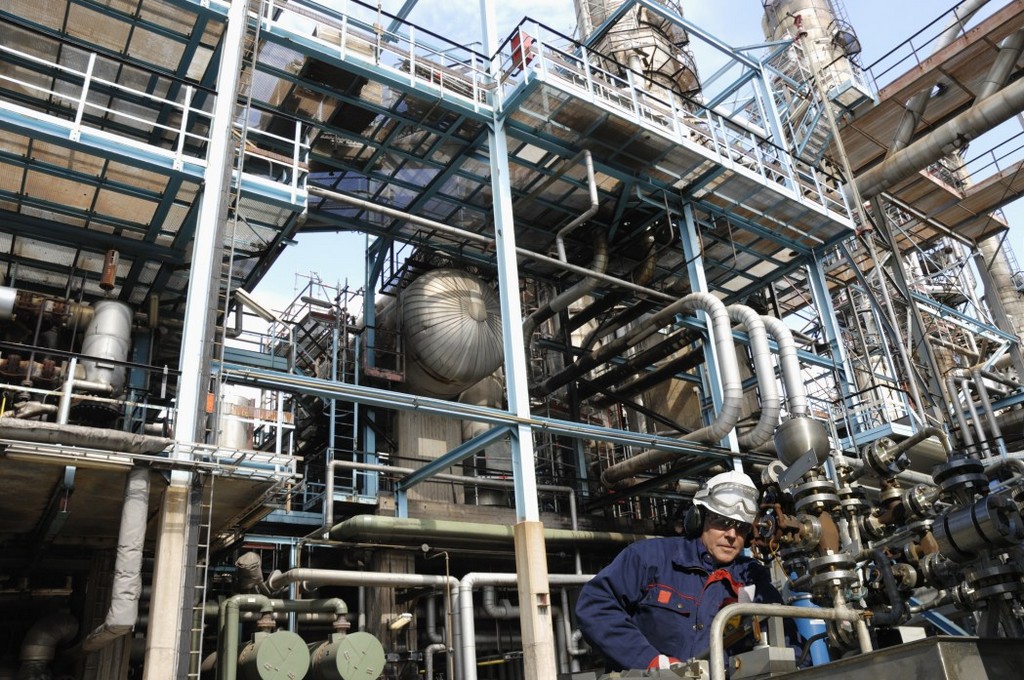
According to the report, renewable energy deployment typically involves more complex construction and maintenance than conventional power generation. These include site assessment, grid integration, and long-term operation of intermittent energy sources such as solar and wind, all of which demand specialized skills.
The IMF said that gaps in workforce readiness could affect project timelines, raise costs, and limit the reliability of renewable energy assets. These constraints, it stated, interact with other structural challenges such as grid limitations and high upfront capital requirements.
While reforms such as foreign ownership liberalization and streamlined permitting are intended to accelerate renewable energy development, the IMF pointed out that their effectiveness depends on complementary institutional and human capacity.
The report warned that without sufficient skilled workers to design, build, and operate renewable facilities, large investment commitments would be absorbed slowly or inefficiently, thus potentially delaying the expansion of clean energy capacity.
Beyond project construction, the IMF also stressed the importance of workforce readiness for long-term system operation. Adequate skills are needed to maintain renewable assets, manage grid integration, and ensure reliable power supply as the energy mix shifts.
The IMF concluded that strengthening workforce capacity will be key to ensuring that investment inflows support not just renewable expansion targets, but also the stability and overall resilience of the country’s power system.
How prepared is the Philippine energy workforce to support the scale of renewable investment now being pursued?
Follow Power Philippines on Facebook and LinkedIn or join our Viber community for more updates.