Renewables, grids, and storage seen as Asia’s energy security ‘holy trinity’
- March 15, 2026
- 0
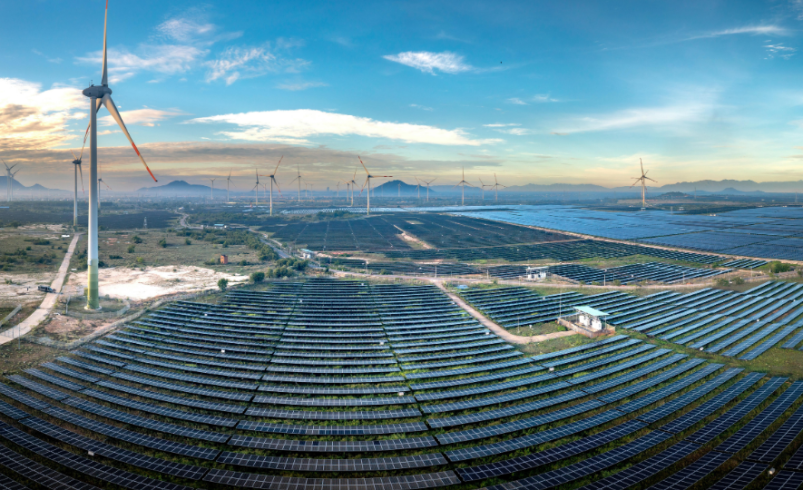
Renewable energy alone will not solve Asia’s energy security challenges, particularly as recent geopolitical tensions disrupt oil and gas markets and expose the region’s dependence on imported fuel. Analysts at a regional energy briefing on Thursday emphasized the need for parallel investments in grid infrastructure and energy storage.
During the “Securing Asia’s Energy Future Amid the Hormuz Crisis” webinar, expert panelists agreed that the region’s energy transition will depend on the combined expansion of renewable generation, transmission networks, and battery systems.
Dinita Setyawati, senior energy analyst at Ember, described this integrated approach as critical to addressing the region’s energy challenges.

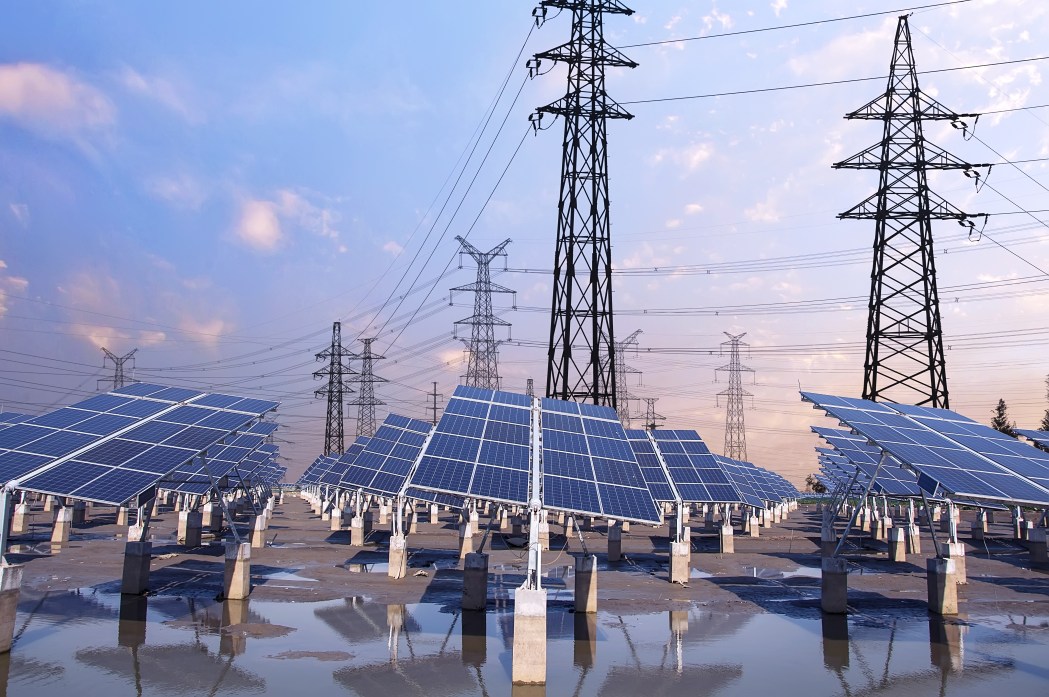
“So renewables, grids, and storage could be the Holy Trinity solutions for the energy dilemma not only for ASEAN, but also for the whole Asia region,” she said.
Renewables are already helping shield some countries from fossil fuel price volatility.
Nabiya Imran, associate on energy insights at Renewables First, pointed to Pakistan as an example where solar deployment has reduced exposure to imported fuels.
“Because of the expansion of distributed solar in the country, especially in the power sector, LNG demand is not what it used to be back when these (LNG) contracts were signed,” she said.
The shift has already influenced the country’s fuel procurement strategy.
“As of last year, the government has been looking to renegotiate contractual terms, cargoes have been diverted, and LNG is also being open to domestic consumers, because there’s no need for those cargoes anymore as much.”
Solar generation has also helped cushion the impact of supply disruptions.
“Solar has provided a cushioning effect against LNG supply disruption. LNG has contributed to around 20% of our power mix in the fiscal year 2025, but that is mainly for the nighttime or evening peak, because daytime demand has been largely displaced by solar,” Imran said. “The impact would have been much worse had solar not been present.”
According to Imran, solar expansion has already produced measurable economic benefits.
“As of February 2026, Pakistan had avoided around USD 12 billion in oil and gas imports, which would otherwise have been needed to meet domestic energy demand, and this avoidance has happened because of solar.”
She added that the experience illustrates how renewable energy investments can strengthen national energy security.
“I think Pakistan presents an example or a case study where the consumer-led electrification, consumer-led adoption of solar has provided a cushioning effect against geopolitical shocks, and it gives a practical example as to why it’s not just an economic sense to adopt renewables, it’s also a matter of energy security,” Imran said.
Still, integrating large shares of renewable energy requires broader structural reforms, including grid modernization and market changes.
Stefan Bößner, research fellow and policy lead at the Stockholm Environment Institute Asia, said policymakers must address infrastructure and governance challenges.
“In order to integrate more renewables, change infrastructure, change the market structure that is quite monopolized here in the region, change consumer behavior, diversify the economy, especially in coal-dependent regions and enhance governance,” he said.
Bößner also warned that governments often fail to sustain reform momentum after crises.
“Policymakers are sometimes not as good in responding to shock, or their initial response is: oh diversify. And then when normality comes back, they tend to forget,” he said.
At the same time, renewable technology costs continue to decline faster than most projections predicted.
“More than 2,000 papers, reports, policy briefs have forecasted how solar power will decrease in price, and over 90% of all the sources analyzed assumed a 2.5% reduction in costs. The most optimistic assumed a 6% reduction in cost. However, the actual cost reduction was 15%,” Bößner said. “Meaning the IEA and other international bodies have a tendency of overestimating the cost of renewable energy and underestimating its cost reduction potential.”
What policies or investments should Asian governments prioritize to ensure grids and storage keep pace with rapidly expanding renewable energy capacity?
Follow Power Philippines on Facebook and LinkedIn or join our Viber community for more updates.