Maharlika microgrids to use hybrid solar-battery-diesel systems for 24/7 power
- March 23, 2026
- 0
The Maharlika Consortium’s microgrid rollout will rely on a hybrid system combining solar, battery storage, and diesel generation to deliver round-the-clock electricity to off-grid communities.
The newly disclosed system design highlights how the project will provide reliable power while reducing dependence on fuel, positioning the initiative as a modern approach to rural electrification.
In an earlier report, the Maharlika Consortium confirmed it had broken ground on 24 microgrids under a PHP 2-billion-plus investment aimed at energizing underserved communities. The latest details shed light on how these systems will operate to deliver continuous electricity.

The microgrid portfolio will deploy 7 megawatt-peak (MWp) of solar capacity, supported by 8.0 megawatt-hours (MWh) of battery energy storage systems and 3.5 megawatts (MW) of diesel generation. These will be connected through a 225-kilometer smart distribution network designed for off-grid environments.
Under the hybrid setup, solar energy will serve as the primary power source, accounting for around 50 to 60 percent of total generation. Part of the electricity generated during the day is used immediately, while excess power is stored in batteries for later use.
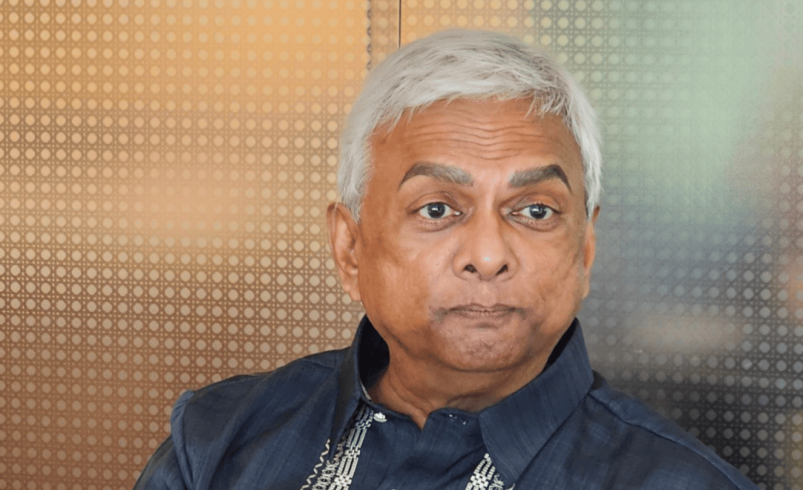
“So basically what we do is we take this solar energy, part of it goes straight into your house… and part of it that is not consumed is stored in the battery,” said WEnergy Global CEO Atem Ramsundersingh.
As solar output declines in the evening, the system shifts to stored energy before activating backup generation when needed.
“So, the sun sets, the battery starts kicking in, and when the battery reaches a safety margin, the system automatically triggers the generators and that cycle goes on 24-7,” Ramsundersingh explained.
This integrated approach is expected to reduce reliance on imported fuel while mitigating exposure to price volatility, a key concern for off-grid areas that traditionally depend on diesel-powered systems.
“Decentralized power infrastructure is securing continuity of business and continuity of life… protecting you from failure elsewhere,” he said.
The project is expected to serve around 11,560 households and benefit more than 50,000 people across Palawan, Cebu, and Quezon, expanding access to reliable electricity in underserved areas.
The development is being carried out under government frameworks such as the Qualified Third Party Program and the Microgrid Service Provider Act, which enable private sector participation in rural electrification.
Developers said the hybrid model balances cost, reliability, and sustainability, while supporting broader efforts to modernize power infrastructure in off-grid communities.
As hybrid systems gain traction, can this model set the standard for delivering reliable and cost-efficient electricity to underserved areas?
Follow Power Philippines on Facebook and LinkedIn or join our Viber community for more updates.