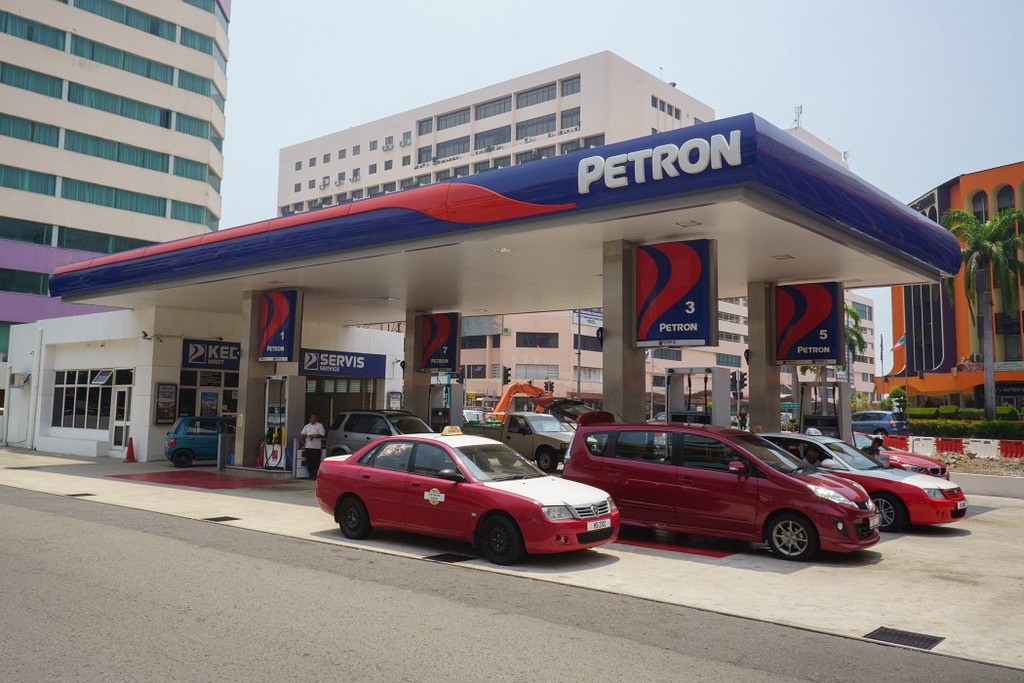
PH declares energy emergency amidst Middle East crisis
- March 24, 2026
- 0
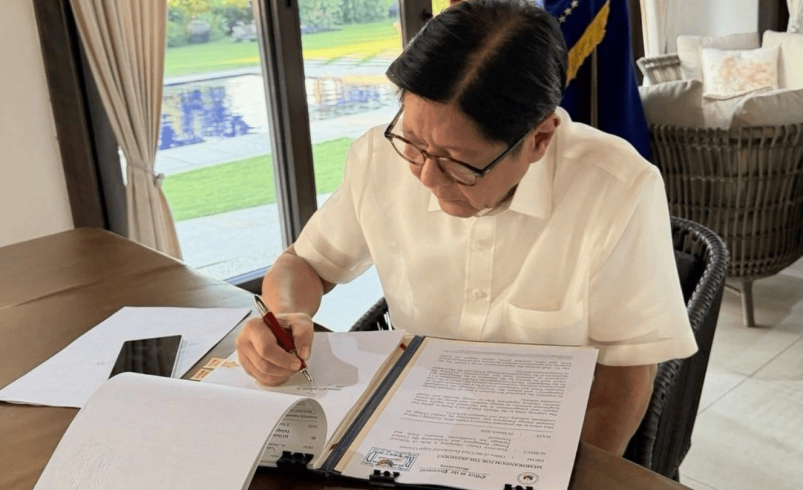
President Ferdinand R. Marcos Jr. has declared a state of national energy emergency, citing the escalating geopolitical tensions in the Middle East that are currently threatening global oil supply and consequently the country’s energy security.
Issued through Executive Order No. 110, the declaration comes amidst rising volatility in international energy markets driven by ongoing hostilities involving major oil-producing and transit regions.
The order cited disruptions in critical supply routes such as the Strait of Hormuz, a key corridor for global oil shipments, as well as broader uncertainties affecting production and transport sectors, which have pushed up prices and raised concerns over supply stability.

As a net importer of petroleum products, the Philippines remains highly dependent on external sources of fuel. This makes it extremely vulnerable to supply disruptions and delays that could affect domestic energy availability.
The executive order noted that these developments pose an “imminent danger of a critically low energy supply,” prompting the need for urgent measures to ensure the stability and adequacy of the country’s energy system.
Under the declaration, the government is authorized to implement fuel and energy allocation plans, enforce conservation measures, and exercise broader intervention powers under existing laws to safeguard supply.
A key component of the response is the adoption of the Unified Package for Livelihoods, Industry, Food, and Transport, (UPLIFT) which serves as the government’s coordinated framework to manage energy supply and mitigate the impact of the crisis across sectors.
The order also directs the Department of Energy and other agencies to take action against hoarding, profiteering, and supply manipulation, while also accelerating the development of additional energy capacity and streamlining permitting processes for critical energy projects.
To oversee implementation, an inter-agency UPLIFT Committee chaired by the President has been convened, with members from key departments including Energy, Transportation, Social Welfare, Agriculture, Finance, Economic Planning, and Budget.
Other complementary measures under the order include fuel subsidies and transport assistance, support for agriculture and food supply, social protection for vulnerable sectors, and programs to help businesses manage rising costs.
The executive order will remain in effect for one year unless lifted or extended earlier by the President.
With the government declaring an energy emergency, will these measures be enough to shield the country from prolonged global supply disruptions?
Follow Power Philippines on Facebook and LinkedIn or join our Viber community for more updates.