DOE orders full use of RE, coal, indigenous energy to stabilize power supply
- March 26, 2026
- 0

The Department of Energy (DOE) has ordered power sector players to maximize the use of renewable energy, indigenous resources, and coal-fired power plants as part of emergency measures to stabilize electricity supply.
The directive follows the declaration of a state of national energy emergency under Executive Order No. 110, as global fuel prices continue to rise amidst the ongoing Middle East tensions. The move is aimed at protecting the stability of the country’s electricity supply while cushioning the impact of higher generation costs on consumers.
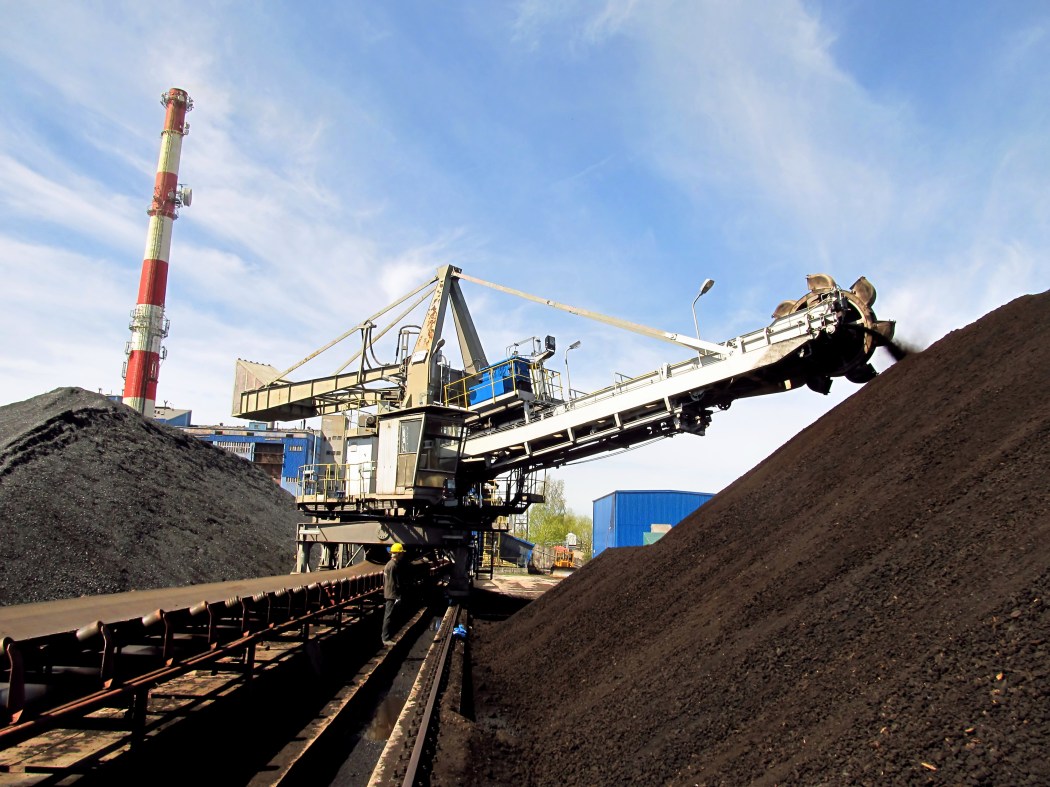
Under the advisory, the DOE called for the adoption of special operating guidelines for system dispatch to support the full utilization, where feasible and subject to system security requirements, of available energy sources. This includes prioritizing renewable energy, indigenous resources, and coal-fired power plants to reduce reliance on more expensive imported fuels.

The department said these measures could help temper electricity price increases, with projections indicating that maximizing indigenous sources and coal generation may reduce wholesale electricity prices by up to PHP 2 per kilowatt-hour.
Energy Secretary Sharon S. Garin said: “As a net importer of oil, coal, and liquefied natural gas (LNG), we are acting with heightened discipline to preserve power system reliability in the face of escalating global fuel market volatility. This is a decisive intervention to protect the grid, manage fuel use responsibly, and ensure that essential electricity services remain uninterrupted.”
Beyond dispatch adjustments, the DOE also directed generation companies to implement fuel conservation and prioritization measures, including closely monitoring fuel inventories and maintaining the required 15-day supply. Firms were also instructed to immediately report any actual or potential fuel supply risks to the department for assessment and possible intervention.
The advisory further encouraged power generators to explore alternative fuel options to support cost mitigation and supply adequacy. These include increasing biodiesel blends for oil-based plants and adopting coal blending or co-firing with biomass for coal-fired facilities, subject to technical and environmental requirements.
The measures apply across the power sector, covering generation companies, the National Grid Corporation of the Philippines, the Independent Electricity Market Operator of the Philippines, distribution utilities, electric cooperatives, ancillary service providers, and other participants in the Wholesale Electricity Spot Market.
The DOE said these actions form part of the government’s broader emergency response to reduce the power sector’s exposure to external supply disruptions and rising international fuel prices, while ensuring stable and uninterrupted electricity supply.
As the country navigates global fuel market volatility, the government is turning to available and locally sourced energy options to balance affordability, reliability, and supply security.
Can prioritizing local and available energy sources effectively shield consumers from rising electricity costs?
Follow Power Philippines on Facebook and LinkedIn or join our Viber community for more updates.