Iran ‘safe passage’ deal to protect supply, not lower pump prices –DOE chief
- April 6, 2026
- 0
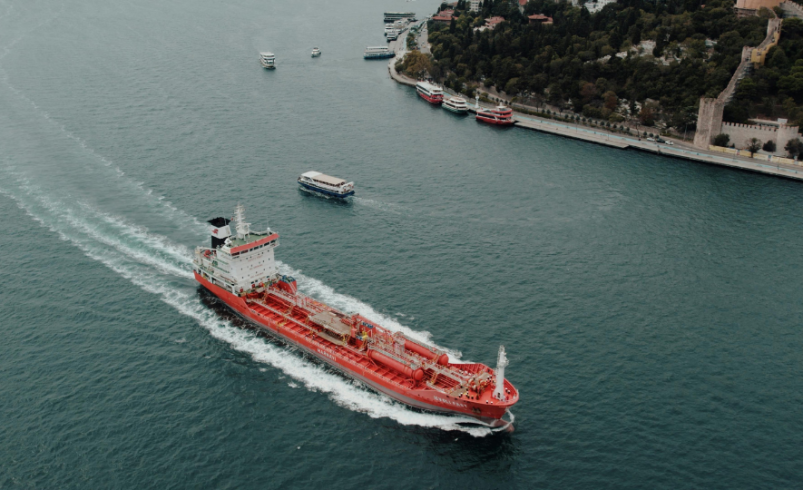
The Department of Energy (DOE) clarified on Saturday that the newly secured assurance from Tehran for “safe and preferential access” through the Strait of Hormuz is a strategic risk management measure, and not a direct lever to lower domestic fuel prices.
The clarification follows a high-level diplomatic breakthrough on April 2, where Iranian Foreign Minister Seyed Abbas Araghchi assured Foreign Affairs (DFA) Secretary Ma. Theresa Lazaro that Iran will allow the “safe, unhindered, and expeditious” passage of Philippine-flagged vessels, energy sources, and all Filipino seafarers.
The move comes after President Ferdinand Marcos Jr. instructed the DFA to negotiate “non-hostile” status for the Philippines to bypass the de facto blockade currently paralyzing the world’s most critical energy chokepoint.
Following the DFA announcement, Energy Secretary Sharon Garin addressed mounting public inquiries regarding the arrangement with Tehran.

“Even if much of our fuel is sourced from regional hubs like Singapore or Korea, the crude oil these come from often passes through the Strait of Hormuz. Any disruption there creates a domino effect that impacts global supply—and ultimately, prices at the pump,” Garin said in a statement.
The Strait of Hormuz is a critical chokepoint where approximately 20% of the world’s oil shipments pass. Amid escalating geopolitical tensions, the DOE noted that the deal serves to “strengthen protection for Philippine-linked cargo” and improve safety for the thousands of Filipino seafarers manning international tankers.
The Secretary was quick to manage expectations for Filipino consumers hoping for a reprieve from costly fuel.
“This is not a perfect solution, and it does not eliminate all risks,” she said. “This development will not immediately bring down fuel prices, nor does it resolve our long-term structural challenges in energy.”
The DOE maintained that the primary gain is the reduction of supply chain uncertainty. “What this does is help ensure continuity of supply and stability, especially at a time when further disruptions could significantly affect our economy and our people,” Garin added.
As global tensions persist, the DOE committed to continuing its long-term priorities, including the strengthening of strategic fuel reserves and domestic energy security, to reduce the country’s sensitivity to overseas maritime disruptions.
Since March 2, 2026, Iran’s Islamic Revolutionary Guard Corps (IRGC) has enforced a “new Persian Gulf order,” restricting the Strait of Hormuz to “Iran-approved” vessels while maintaining a total blockade on ships bound for Israel or the United States.
While Tehran has recently approved humanitarian passages and specific exemptions for neutral partners like the Philippines, India, and China, the waterway remains highly volatile. Iranian officials have warned the Strait will not fully reopen to international transit until war damages are compensated, leaving global energy markets in a state of prolonged uncertainty.
How do you view this diplomatic breakthrough? Does “safe passage” provide enough security for our energy sector, or should the government prioritize more aggressive domestic interventions? Join the discussion.
Follow Power Philippines on Facebook and LinkedIn or join our Viber community for more updates.