ASEAN calls special energy meeting, tightens coordination as Middle East tensions persist
- April 28, 2026
- 0
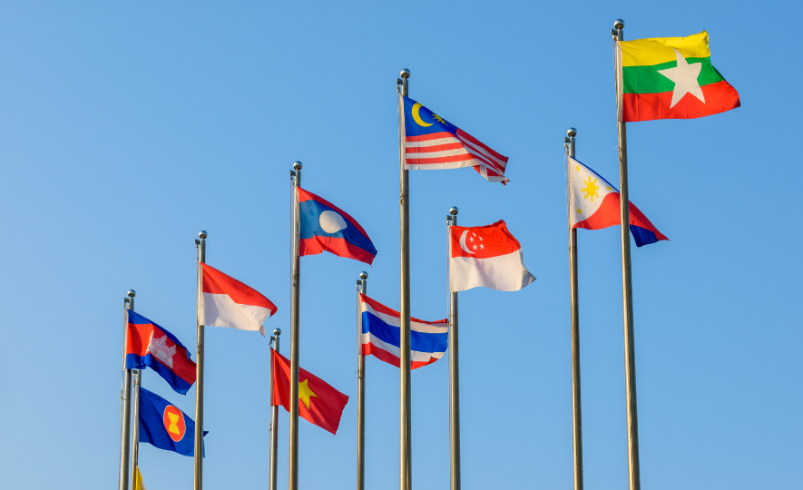
ASEAN energy ministers have moved to strengthen regional coordination and monitoring mechanisms as geopolitical tensions in the Middle East continue to raise concerns over oil and gas supply stability.
In a Special ASEAN Ministers on Energy Meeting (AMEM) held virtually on April 27, member states agreed to intensify cooperation on energy security, with a focus on preparedness measures, supply monitoring, and emergency response frameworks.
The meeting, chaired by Philippine Energy Secretary Sharon S. Garin, brought together energy ministers and representatives from all ASEAN Member States alongside the ASEAN Secretariat, ASEAN Centre for Energy (ACE), and ASEAN Council on Petroleum and Energy (ASCOPE).

In their joint statement, ministers stressed the need for closer coordination amid ongoing risks to global energy flows. “We expressed concern over developments in the Middle East and their potential impact on global oil and gas markets, including price volatility and supply uncertainties,” the statement said.
ASEAN ministers also flagged the region’s vulnerability as a net importer of energy, particularly in the event of disruptions to key maritime routes. They underscored “the importance of maintaining secure and open sea lanes, ensuring freedom of navigation, the safe, unimpeded and continuous transit passage of vessels and aircraft in straits used for international navigation, and minimising disruptions to energy trade flows in accordance with international law, particularly the 1982 United Nations Convention on the Law of the Sea (UNCLOS).”
A key outcome of the meeting was the directive to strengthen real-time monitoring and coordination. Ministers tasked ACE and ASCOPE to continue tracking developments and coordinating with the ASEAN Senior Officials Meeting on Energy to support “timely and informed regional responses.”
The bloc also renewed urgency around the ASEAN Framework Agreement on Petroleum Security (APSA), which provides a voluntary mechanism for coordinated response during supply disruptions. Ministers “urged the expeditious completion of national processes towards its ratification,” signaling a push to operationalize regional safeguards.
Beyond immediate risk management, ASEAN reaffirmed longer-term measures to reduce exposure to external shocks, including diversification of supply sources, acceleration of renewable energy deployment, and expansion of cross-border electricity trade under the ASEAN Power Grid.
Ministers also reiterated commitment to the ASEAN Plan of Action for Energy Cooperation (APAEC) 2026–2030, which sets targets of reducing energy intensity by 40% and increasing renewable energy’s share in total primary energy supply to 30% by 2030.
With ASEAN stepping up coordination mechanisms amid prolonged geopolitical risks, how effective can regional energy security frameworks like APSA be in shielding Southeast Asia from global supply shocks?
Follow Power Philippines on Facebook and LinkedIn or join our Viber community for more news and updates on the Philippine energy sector.