MGEN scales integrated power mix as grid reliability pressure mounts
- May 1, 2026
- 0
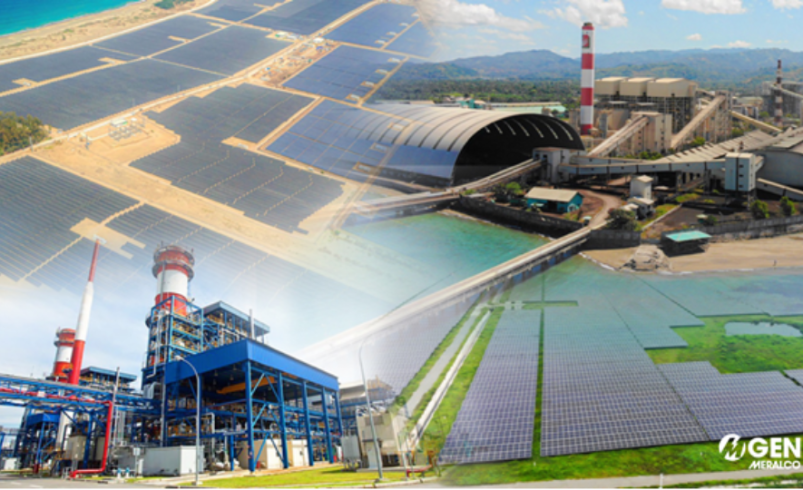
Meralco PowerGen Corporation (MGEN) is scaling up its diversified generation portfolio, positioning itself around a combined renewable, storage, natural gas, and thermal strategy as the Philippines reassesses its long-term energy mix amid global fuel volatility and rising demand.
The company said its approach is aligned with the government’s push to ensure a more reliable and flexible power system as renewable energy capacity expands and grid stability challenges persist.
“Our priority is to help ensure a reliable and secure power supply while supporting the country’s evolving energy mix. As more renewable energy comes into the system, maintaining adequate and dependable capacity remains essential to meet demand and support grid stability,” said MGEN President and CEO Emmanuel V. Rubio.

Rubio added that the company is deliberately building what it describes as an integrated system rather than standalone assets. “It is about building a portfolio that works as a system—one that can reliably meet demand, adapt to changing conditions, and support the country’s long-term energy security.”
Solar and storage ramp-up
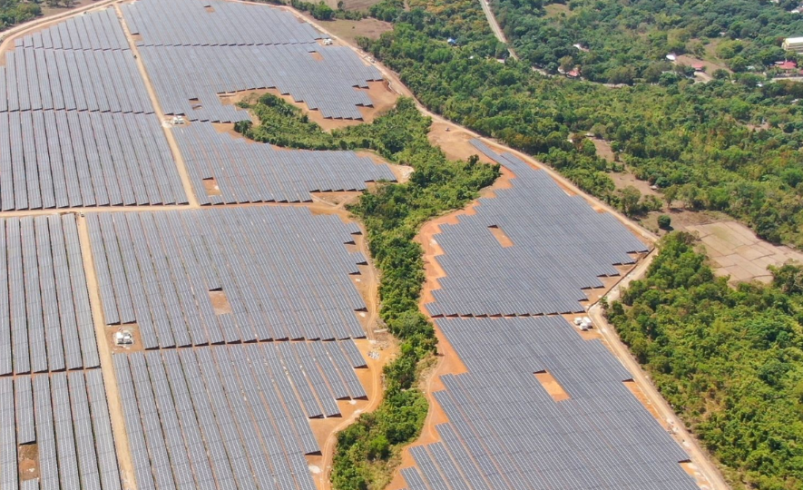
A key milestone in MGEN’s renewable expansion is the energization of the first 250 megawatts (MW) of its MTerra Solar project, which began contributing power to the national grid in March 2026.
Alongside this, MTerra Solar has also activated the first tranche of its battery energy storage system (BESS), capable of delivering up to 450 megawatt-hours (MWh) of electricity during nighttime hours using stored solar energy. MGEN said this marks the largest operational BESS in the Philippines to date, designed to enhance renewable integration and support grid reliability.
The company is targeting further capacity additions as the project progresses toward full completion.
MGEN Renewables currently also operates more than 400 MWac of net sellable capacity across seven solar sites in Luzon, spanning Bulacan, Ilocos Norte, Rizal, Nueva Ecija, Isabela, Batangas, and Tarlac.
Gas and transition technologies
Beyond solar, MGEN is expanding its lower-carbon transition assets through investments in LNGPH in the Philippines and PacificLight Power in Singapore. These facilities are intended to provide flexible and dispatchable capacity to complement variable renewable output.
The company said these assets support emissions reduction efforts while ensuring supply reliability across the region.
Baseload backbone remains
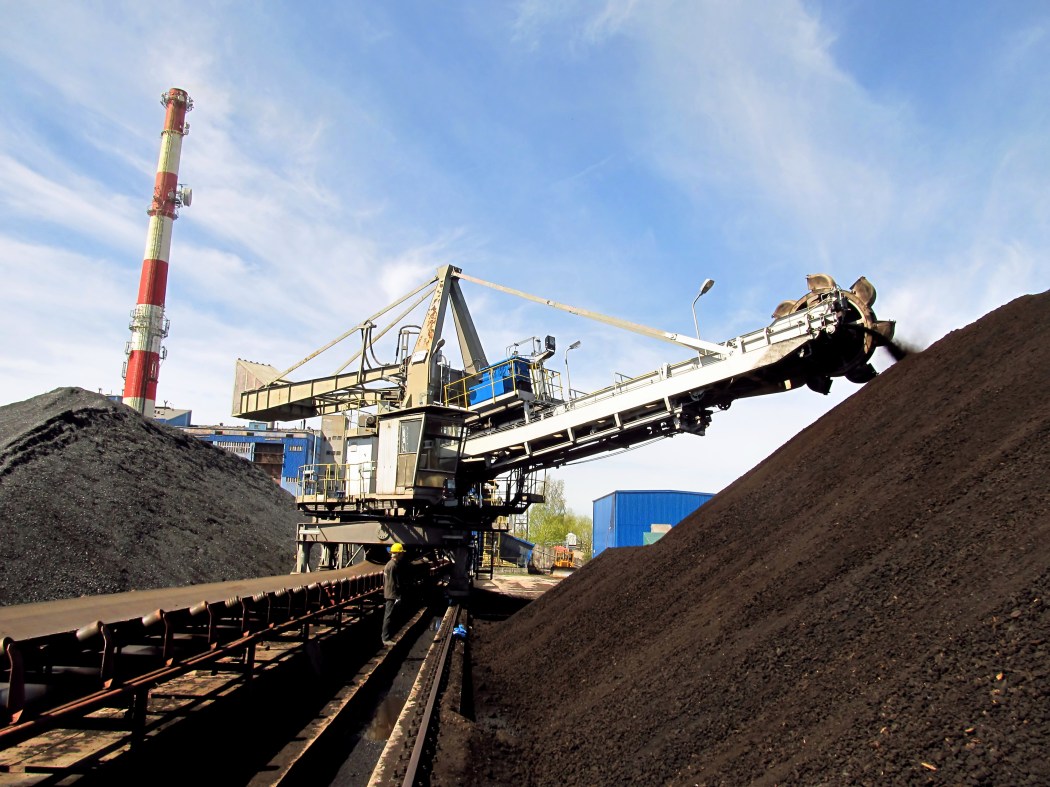
MGEN continues to rely on its thermal portfolio for baseload stability through MGEN Thermal, with operating assets across Luzon, Visayas, and Mindanao.
In Panay, the Panay Energy Development Corporation has been supplying baseload power since 2011, serving major demand centres including Iloilo International Airport and Boracay Island, as well as provincial load requirements.
In Cebu, MGEN operates through Cebu Energy Development Corporation and Toledo Power Co., with circulating fluidized bed (CFB) technology at its Cebu facility described as the country’s first commercial clean coal-fired plant using the system. These plants currently supply more than half of Cebu Island’s power demand.
The company is also pursuing additional capacity developments, including the MGEN Toledo Battery Energy Storage System (Phase 1 targeted for completion in 2026), expansion works in Toledo, and a planned 1,200 MW ultra-supercritical coal-fired plant in Atimonan, Quezon, expected online by 2030. The project is projected to supply about 7% of Luzon’s demand and will use high-efficiency, low-emissions (HELE) technology.
Integrated strategy for rising demand
MGEN framed its expansion as part of a long-term response to accelerating electricity demand growth toward 2040, arguing that no single technology can fully address reliability, affordability, and sustainability simultaneously.
Guided by its broader energy transition strategy, the company said it is combining baseload, renewables, and storage to strengthen system resilience while supporting economic growth.
As the Philippine power sector weighs future capacity needs, MGEN’s integrated buildout underscores the continued balancing act between decarbonisation targets and the need for firm, dispatchable power.
As the country recalibrates its energy mix, does MGEN’s “system-based” strategy represent a practical transition pathway—or does it reinforce long-term dependence on fossil-based baseload?
Follow Power Philippines on Facebook and LinkedIn or join our Viber community for more updates.